The Top Signs You Need to Replace Your Water Heater
Recognizing the Age and Lifespan of Your Water Heater
Understanding the Average Lifespan
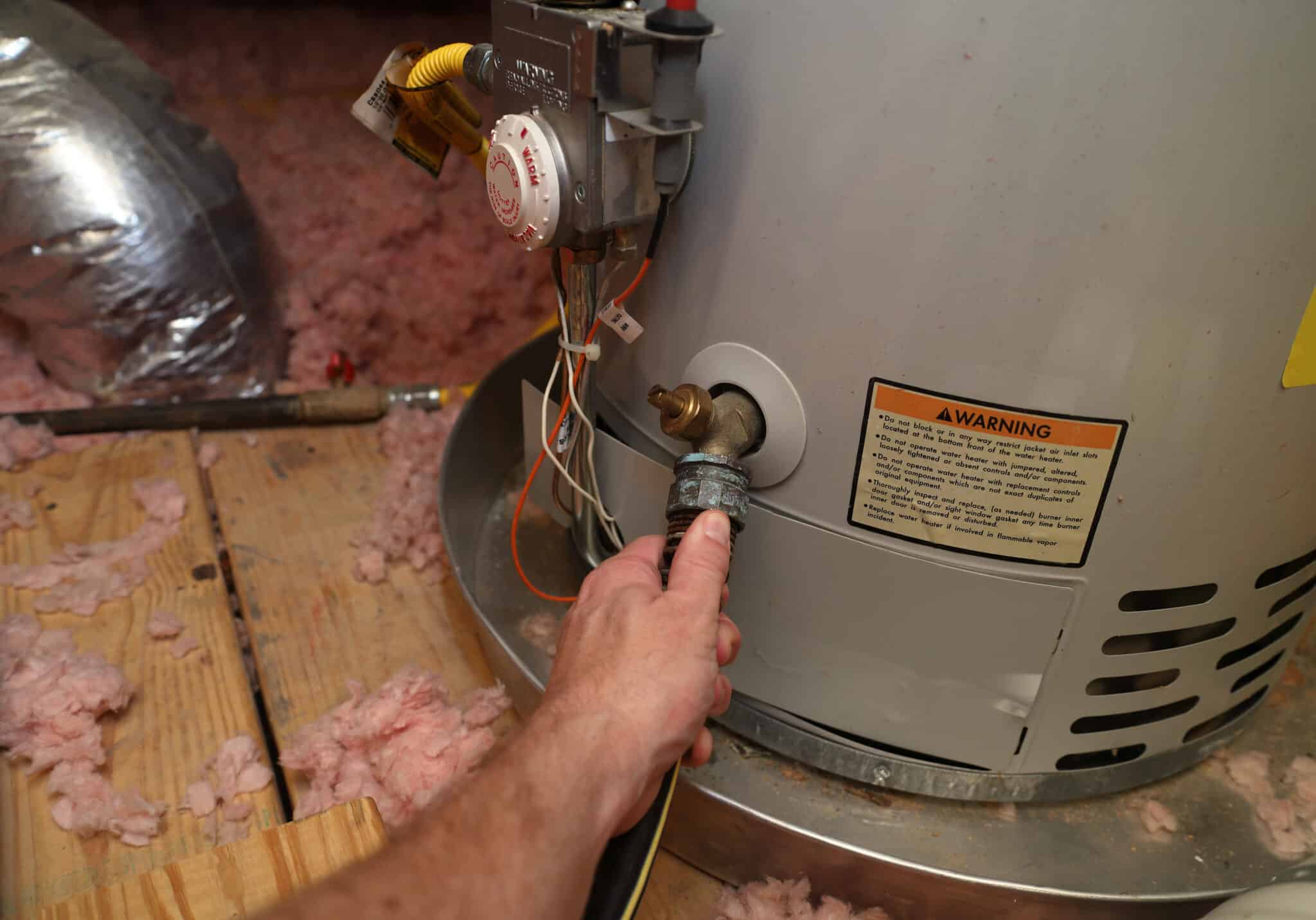
When it comes to water heaters, understanding their average lifespan is crucial for homeowners and property managers. Typically, traditional tank water heaters last between 8 to 12 years, while tankless models can serve you for up to 20 years. However, these numbers can vary based on the type of water heater, its usage, and the quality of the water supply. Over time, even the most robust water heaters will start to show signs of wear and tear, impacting their efficiency and performance. As your water heater ages, it becomes more prone to issues such as leaks, inconsistent water temperatures, and increased energy consumption. Recognizing these signs early can help you plan for a replacement before a complete failure occurs, ensuring you’re never left without hot water when you need it most.
Checking the Manufacturing Date
To determine the age of your water heater, it’s essential to locate and interpret the manufacturing date. This information is usually found on the serial number label affixed to the unit. The format can vary depending on the manufacturer, but it often includes a code that indicates the month and year of production. Understanding this code allows you to assess the age of your water heater and anticipate when it might need replacing. Regular maintenance can extend the lifespan of your water heater, but if it’s nearing the end of its expected life, it might be time to start considering a replacement. This proactive approach can save you from unexpected breakdowns and costly emergency repairs.
Identifying Performance Issues and Warning Signs
Inconsistent Water Temperature
One of the most common signs that your water heater may be failing is inconsistent water temperature. If you notice that your showers are suddenly cold or your water takes longer to heat up, it could be a sign of a malfunctioning thermostat or heating element. These issues can indicate that your water heater is struggling to maintain a consistent temperature, which not only affects your comfort but also signals inefficiency. Inconsistent temperatures can also be caused by sediment buildup in the tank, which reduces the heater’s ability to transfer heat effectively. Addressing these issues promptly can prevent further damage and help you determine whether a repair or replacement is the best course of action.
Reduced Hot Water Supply
A noticeable decrease in hot water supply is another red flag that your water heater may need replacing. This issue often stems from sediment accumulation at the bottom of the tank, which takes up space and reduces the amount of hot water available. Over time, this sediment can also cause damage to the tank and heating elements, leading to further inefficiencies and potential leaks. If your water heater is no longer able to meet your household’s hot water demands, it may be more cost-effective to invest in a new, more efficient model rather than continually repairing an aging unit. Upgrading to a modern water heater can provide a more reliable hot water supply and reduce your energy bills.
Detecting Physical Damage and Leaks
Corrosion and Rust Formation
Corrosion and rust are telltale signs that your water heater is on its last legs. These issues often occur when the tank’s protective anode rod has deteriorated, allowing rust to form on the tank’s metal surface. Once rust appears, it can quickly spread, compromising the structural integrity of the tank and increasing the risk of leaks. Regularly inspecting your water heater for signs of rust and corrosion can help you catch these problems early and decide whether a replacement is necessary. Ignoring these signs can lead to significant water damage and costly repairs, making it crucial to address them promptly.
Visible Leaks and Water Accumulation
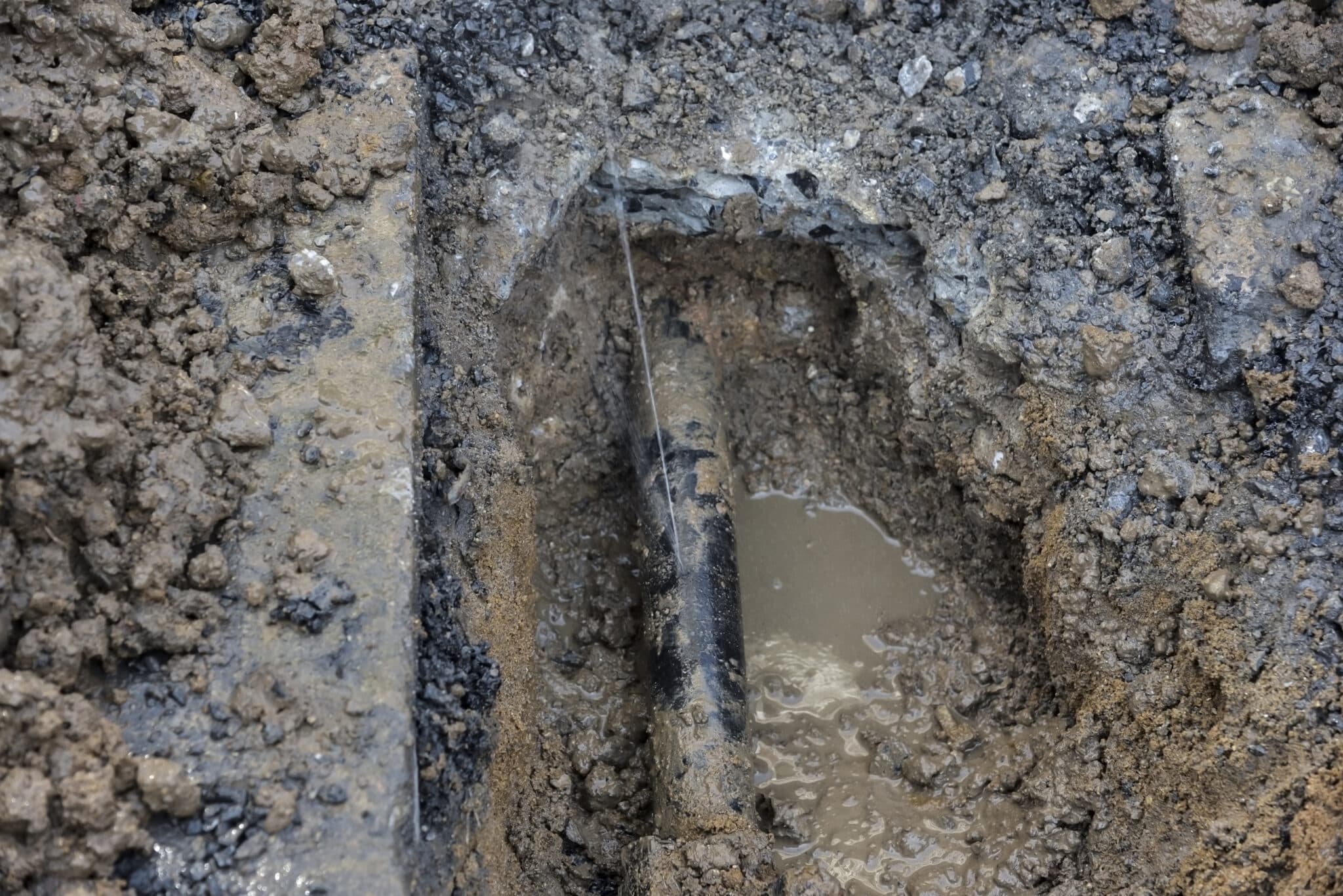
Visible leaks and water accumulation around your water heater are critical indicators that it’s time for a replacement. Leaks can occur due to a variety of reasons, including corrosion, loose connections, or a cracked tank. Even small leaks can lead to significant water damage over time, affecting your home’s structure and belongings. If you notice water pooling around your water heater, it’s essential to address the issue immediately to prevent further damage. In many cases, replacing the water heater is the most effective solution to eliminate leaks and ensure the safety and efficiency of your home’s hot water system.
Evaluating Energy Efficiency and Cost Implications
Rising Energy Bills
An aging or failing water heater can significantly impact your energy bills. As water heaters become less efficient over time, they require more energy to heat the same amount of water, leading to increased utility costs. If you’ve noticed a steady rise in your energy bills without a corresponding increase in usage, your water heater may be the culprit. Investing in a new, energy-efficient model can help reduce your energy consumption and lower your monthly expenses. Modern water heaters are designed to be more efficient, providing the same level of comfort while using less energy.
Comparison with Modern Energy-Efficient Models
When considering a replacement, it’s important to compare your current water heater with modern, energy-efficient models. Newer water heaters are designed with advanced technology that improves efficiency and performance, offering significant savings on energy bills. They also come with features like better insulation, more efficient heating elements, and smart controls that allow for greater customization and energy savings. By upgrading to a modern water heater, you can enjoy a more reliable hot water supply, reduce your environmental impact, and potentially qualify for rebates or incentives that offset the cost of installation.
Understanding Safety Concerns and Risks
Potential for Water Damage
A failing water heater poses significant risks to your home, including the potential for water damage. Leaks or bursts can cause extensive damage to floors, walls, and personal belongings, leading to costly repairs and replacements. Regular inspections and timely replacements can help mitigate these risks and protect your home from water-related damage. By staying proactive and replacing your water heater before it fails, you can avoid the stress and expense of dealing with water damage and ensure the safety of your home and family.
Risk of Carbon Monoxide Leaks
For homes with gas water heaters, the risk of carbon monoxide leaks is a serious safety concern. A malfunctioning water heater can produce carbon monoxide, a colorless and odorless gas that is extremely dangerous to your health. Ensuring your water heater is in good working condition and replacing it when necessary can prevent these hazardous leaks. Regular maintenance and inspections by a professional plumber can help identify potential issues before they become dangerous, providing peace of mind and ensuring the safety of your household.
Paws Plumbing
In conclusion, recognizing the signs that indicate the need for water heater replacement is essential for maintaining a safe and efficient home. If you’re experiencing any of these issues with your water heater, it may be time to consider an upgrade. At Paws Plumbing in San Diego, CA, we offer expert advice and professional installation services to help you choose the right water heater for your needs. Contact us today to schedule a consultation and ensure your home remains comfortable and safe with a reliable hot water supply.
How to Tell If You Need Leak Detection Service
Understanding the Importance of Leak Detection
Why Leak Detection Matters
Leak detection is not just a matter of convenience; it’s a critical component of maintaining the structural integrity of your home and managing your utility expenses. Undetected leaks can lead to severe structural damage over time, as water seeps into walls, floors, and foundations, weakening them and potentially leading to costly repairs. Additionally, leaks can cause your utility bills to skyrocket, as wasted water or gas continues to flow unchecked. The environmental impact of leaks is also significant. Water wastage contributes to resource depletion, while energy inefficiency from gas leaks can increase your carbon footprint. By addressing leaks promptly, you can protect both your home and the environment.
Common Types of Leaks
Leaks can manifest in various forms, each posing unique risks to your property and health. Water leaks, the most common type, can lead to mold growth and structural damage if not addressed quickly. Gas leaks, on the other hand, pose a serious health risk due to the potential for carbon monoxide poisoning and even explosions. Sewer leaks can introduce harmful bacteria and unpleasant odors into your home, affecting both your health and comfort. Understanding the specific risks associated with each type of leak is crucial for effective detection and prevention. By being aware of these risks, homeowners can take proactive steps to safeguard their properties and well-being.
Signs You May Need Leak Detection Services
Visible Indicators of Leaks
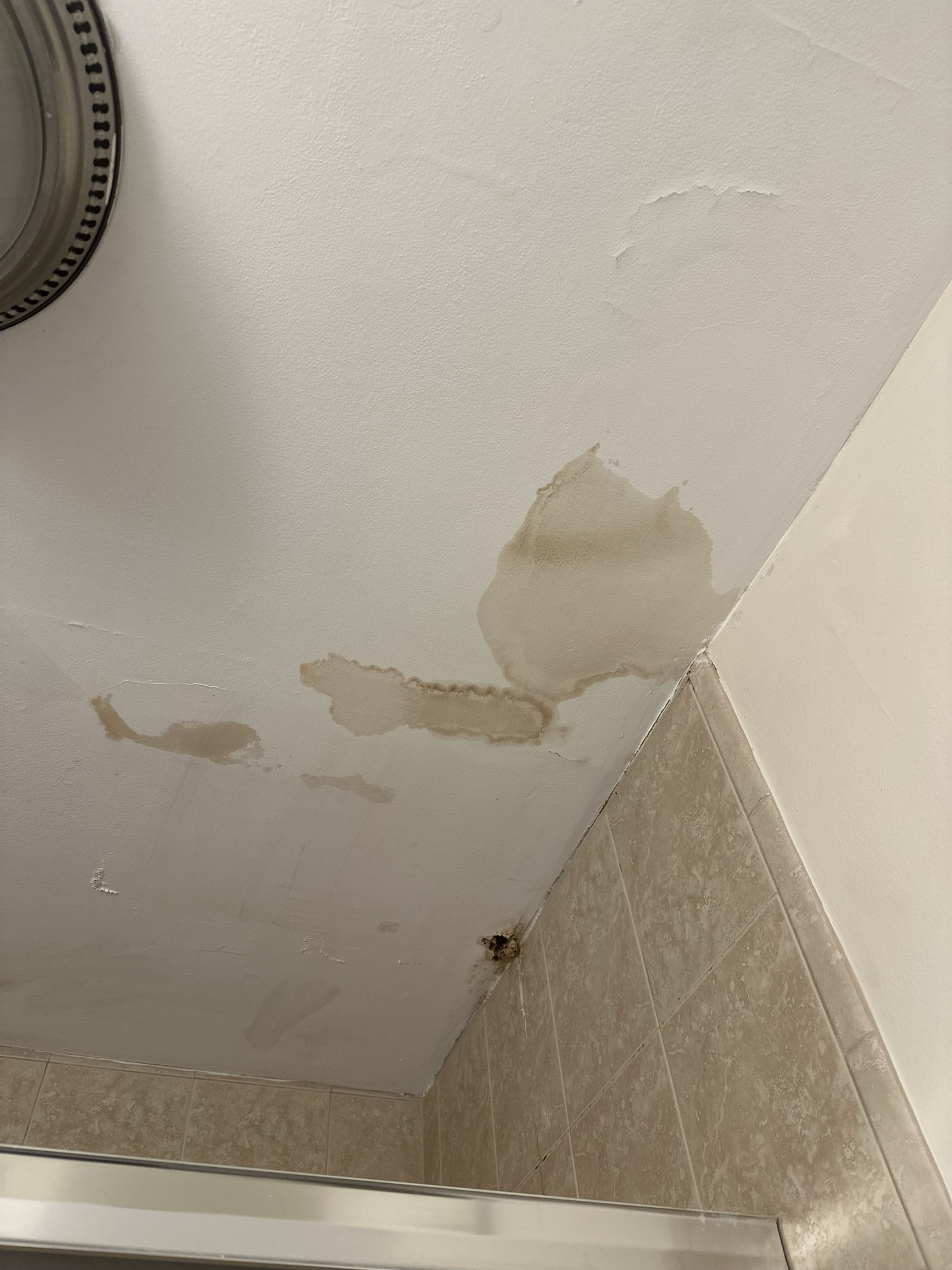
One of the most apparent signs that you may need leak detection services is the presence of visible indicators such as water stains on ceilings or walls, mold growth in unexpected areas, and unusual water puddles around your property. These signs often point to underlying issues that require professional attention. Water stains, for instance, can indicate a leak in your roof or plumbing system, while mold growth suggests persistent moisture problems. Unusual water puddles may be a sign of a burst pipe or a faulty appliance. Addressing these visible signs promptly can prevent further damage and costly repairs.
Audible and Olfactory Clues
Leaks are not always visible; sometimes, they make themselves known through sounds and smells. Audible clues such as dripping or hissing noises can be indicative of a leak within your plumbing or gas lines. Similarly, olfactory clues like musty odors or the smell of gas can signal a leak that needs immediate attention. Musty odors often accompany water leaks, as moisture creates an environment conducive to mold growth. The smell of gas, on the other hand, is a serious warning sign that should never be ignored. If you notice any of these clues, it’s essential to contact a professional leak detection service to assess and address the issue.
Unexplained Changes in Utility Bills
A sudden spike in your water or gas bills can be a red flag for leaks. If your utility usage remains consistent but your bills increase unexpectedly, it may be time to investigate further. Monitoring your utility bills closely can help you detect anomalies early and address potential leaks before they escalate. To keep track of your usage, consider comparing your current bills with those from previous months and looking for any unexplained increases. By staying vigilant about your utility expenses, you can catch leaks early and avoid unnecessary costs.
Advanced Leak Detection Techniques
Professional Leak Detection Methods
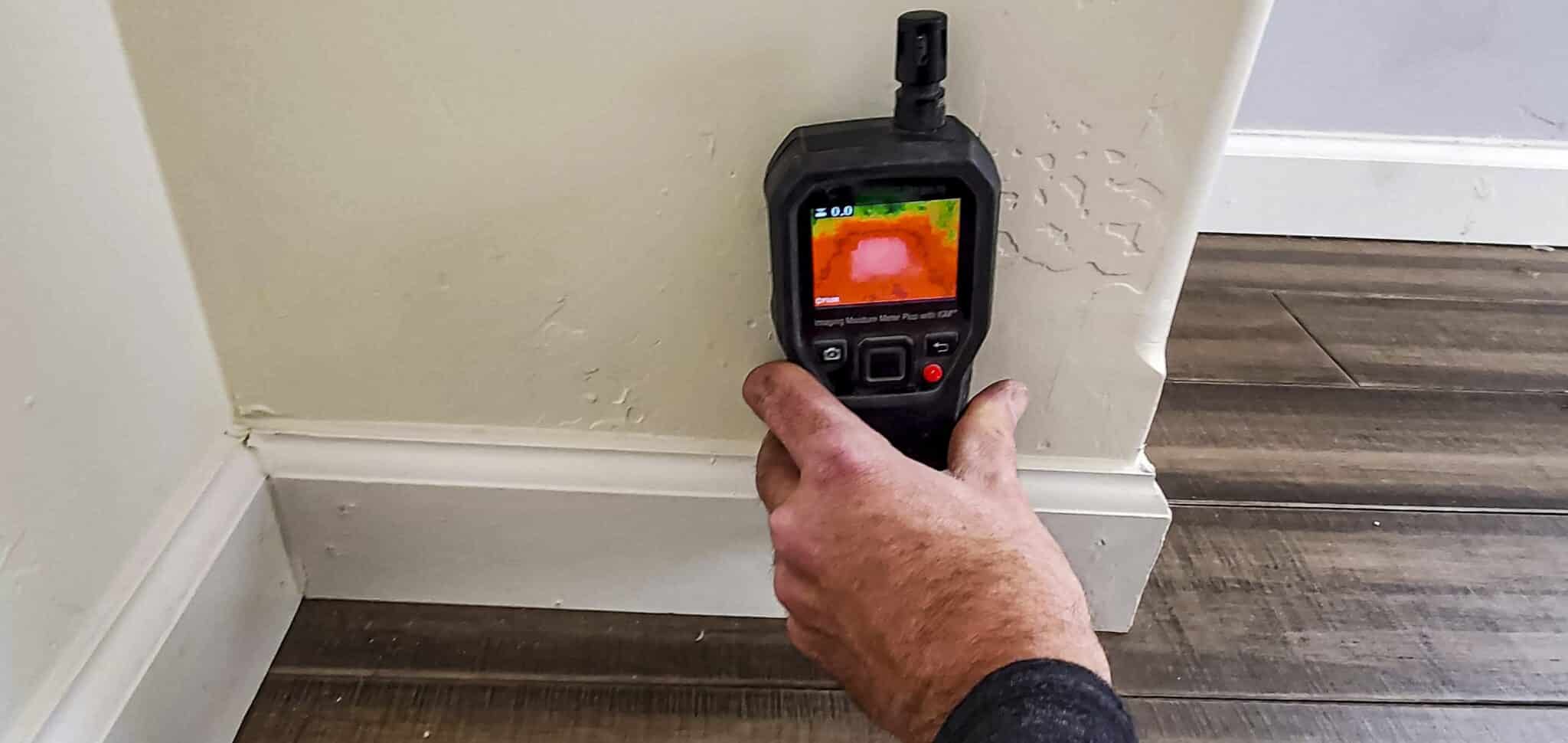
When it comes to pinpointing leaks, professional leak detection services employ advanced techniques that offer accuracy and efficiency. Thermal imaging is one such method, using infrared cameras to detect temperature variations that indicate moisture presence. Acoustic detection involves listening for the sound of leaks within pipes, while moisture meters measure the moisture content in building materials. Each of these methods has its benefits, providing a comprehensive approach to identifying leaks that might otherwise go unnoticed. By utilizing these advanced techniques, professionals can quickly and accurately locate leaks, minimizing damage and repair costs.
DIY Leak Detection Tips
While professional services offer the most reliable results, there are several DIY leak detection tips that homeowners can use for preliminary checks. Start by checking your water meter for any unexplained changes when all water sources are turned off. Inspect appliances such as dishwashers and washing machines for signs of leaks, and look for visible signs like water stains or mold. However, it’s important to recognize the limitations of DIY methods. While they can help identify obvious leaks, they may not detect hidden or complex issues. For accurate and thorough leak detection, it’s always best to consult with a professional.
Choosing the Right Leak Detection Service
Evaluating Leak Detection Companies
Choosing the right leak detection service is crucial for effectively addressing leaks and preventing future issues. When evaluating potential companies, consider factors such as their experience, the technology they use, and customer reviews. Experienced professionals are more likely to accurately diagnose and fix leaks, while advanced technology ensures precise detection. Customer reviews can provide insight into the company’s reliability and quality of service. Additionally, ask potential companies questions about their methods, response times, and guarantees to ensure they meet your needs. By carefully selecting a service provider, you can have confidence in the quality of work and peace of mind.
Cost Considerations and Insurance
Understanding the cost considerations and insurance implications of leak detection services can help you make informed decisions. Pricing structures for these services can vary, with costs influenced by factors such as the complexity of the leak, the methods used, and the location of the property. It’s important to obtain detailed quotes and understand what is included in the service. Additionally, check with your insurance provider to see if leak detection and repair costs are covered under your policy. Having this information can help you budget effectively and ensure you’re prepared for any potential expenses.
Preventive Measures and Maintenance
Regular Maintenance Tips
Preventing leaks before they occur is the best way to protect your property and avoid costly repairs. Regular maintenance is key to achieving this goal. Conduct routine checks of your plumbing system, including inspecting pipes, faucets, and appliances for signs of wear or damage. Sealing windows and doors can also prevent water intrusion during heavy rains. Additionally, scheduling regular professional inspections can help catch potential issues early, allowing for timely repairs. By incorporating these maintenance tips into your routine, you can reduce the risk of leaks and maintain the integrity of your home.
Long-term Solutions for Leak Prevention
Investing in long-term solutions for leak prevention can save you money and protect your property’s value. Upgrading to modern plumbing systems, for example, can reduce the likelihood of leaks and improve efficiency. Smart home technology, such as leak detectors and water shut-off systems, can provide real-time monitoring and alerts, allowing you to address issues before they cause significant damage. By implementing these strategies, you can enhance your home’s resilience against leaks and enjoy peace of mind knowing your property is well-protected.
Paws Plumbing
In conclusion, understanding the importance of leak detection and recognizing the signs of potential leaks can save you from costly repairs and protect your home. If you suspect a leak, don’t hesitate to reach out to Paws Plumbing in San Diego, CA, for professional leak detection services. Our experienced team uses advanced techniques to accurately identify and address leaks, ensuring your property remains safe and efficient. Contact us today to schedule an inspection and take the first step towards safeguarding your home.
What Is Hydro Jetting?
Understanding Hydro Jetting Technology
Definition and Process of Hydro Jetting
Hydro jetting is a modern plumbing technique that utilizes high-pressure water jets to clear out stubborn blockages and debris from pipes. This method is particularly effective for dealing with persistent clogs that traditional methods struggle to address. The process involves the use of specialized equipment, including a high-pressure hose, a nozzle designed to direct water jets, and a powerful pressure pump. These components work together to deliver a concentrated stream of water that can break through even the toughest obstructions, leaving pipes clean and free-flowing.
The equipment used in hydro jetting is designed to handle a variety of plumbing systems, from residential to commercial. The hose is flexible enough to navigate through the twists and turns of a plumbing system, while the nozzle is engineered to spray water at pressures high enough to dislodge grease, scale, and other build-ups. This makes hydro jetting a versatile solution for a wide range of plumbing issues, providing a level of cleanliness that traditional methods often cannot achieve.
How Hydro Jetting Works
The hydro jetting process begins with a thorough inspection of the plumbing system, often using a camera to identify the location and nature of the blockage. Once the problem area is pinpointed, the hydro jetting equipment is prepared and inserted into the plumbing system. The high-pressure water jets are then activated, blasting away debris and build-up. This method is particularly effective at removing grease, mineral deposits, tree roots, and other stubborn blockages that can cause recurring issues.
One of the key advantages of hydro jetting is its ability to clean the entire diameter of the pipe, rather than just creating a hole through the blockage. This comprehensive cleaning helps prevent future clogs and ensures the long-term health of the plumbing system. The process is not only effective but also environmentally friendly, as it relies solely on water pressure rather than harsh chemicals. This makes hydro jetting a preferred choice for those looking to maintain their plumbing systems sustainably.
Comparing Hydro Jetting to Other Drain Cleaning Methods
Hydro Jetting vs. Traditional Snaking
When it comes to clearing blockages, hydro jetting and traditional snaking are two popular methods, each with its own strengths. Snaking involves using a long, flexible metal cable to break through clogs, which can be effective for minor blockages. However, it often falls short when dealing with more severe obstructions, as it may only create a small passage through the debris without fully clearing the pipe. In contrast, hydro jetting uses high-pressure water to thoroughly clean the entire pipe, removing all traces of the blockage and preventing future issues.
While snaking is often the go-to solution for minor clogs and is generally less expensive, hydro jetting is preferable for more serious blockages or when a comprehensive cleaning is needed. It is especially useful in commercial settings where pipes are larger and blockages can be more complex. Homeowners and property managers should consider the severity of the blockage and the condition of their plumbing system when deciding between these two methods.
Hydro Jetting vs. Chemical Drain Cleaners
Chemical drain cleaners are a common choice for homeowners dealing with clogs, but they come with significant drawbacks. These cleaners often contain harsh chemicals that can damage pipes over time and pose health risks to humans and pets. Additionally, they may only provide a temporary solution, as they do not address the root cause of the blockage. Hydro jetting, on the other hand, offers a more sustainable and effective solution by using only water to clear pipes, eliminating the need for harmful chemicals.
The environmental impact of chemical cleaners is another concern, as they can contribute to pollution and harm aquatic life when they enter the water supply. Hydro jetting is a much safer option for the environment and offers long-term effectiveness by thoroughly cleaning the pipes. For those seeking a safe, eco-friendly, and lasting solution to plumbing issues, hydro jetting is the clear choice.
Benefits and Drawbacks of Hydro Jetting
Advantages of Hydro Jetting
Hydro jetting offers numerous benefits that make it an attractive option for both residential and commercial plumbing systems. One of the primary advantages is its ability to provide a thorough cleaning, removing all traces of debris and build-up from pipes. This not only resolves current blockages but also helps prevent future clogs, reducing the need for frequent maintenance. Hydro jetting is also highly versatile, capable of handling a wide range of plumbing issues, from grease build-up to invasive tree roots.
Another significant benefit of hydro jetting is its effectiveness across different types of plumbing systems. Whether you are dealing with a small residential system or a large commercial one, hydro jetting can adapt to the specific needs of the system. This makes it a valuable tool for property managers and homeowners looking to maintain their plumbing systems efficiently and effectively.
Potential Disadvantages and Risks
While hydro jetting is a powerful and effective method, it is not without its potential drawbacks. One of the primary concerns is the risk of damage to older or fragile pipes. The high-pressure water jets can be too intense for pipes that are already compromised, leading to further damage. It is essential to have a professional assess the condition of the plumbing system before proceeding with hydro jetting to avoid any unintended consequences.
Cost is another consideration, as hydro jetting can be more expensive than traditional methods like snaking. However, the long-term benefits and reduced need for frequent maintenance often justify the initial investment. In some cases, hydro jetting may not be the best option, such as when dealing with minor clogs that can be easily resolved with less intensive methods. It is important to weigh the pros and cons and consult with a professional to determine the most appropriate solution for your specific situation.
When to Consider Hydro Jetting
Signs You Need Hydro Jetting
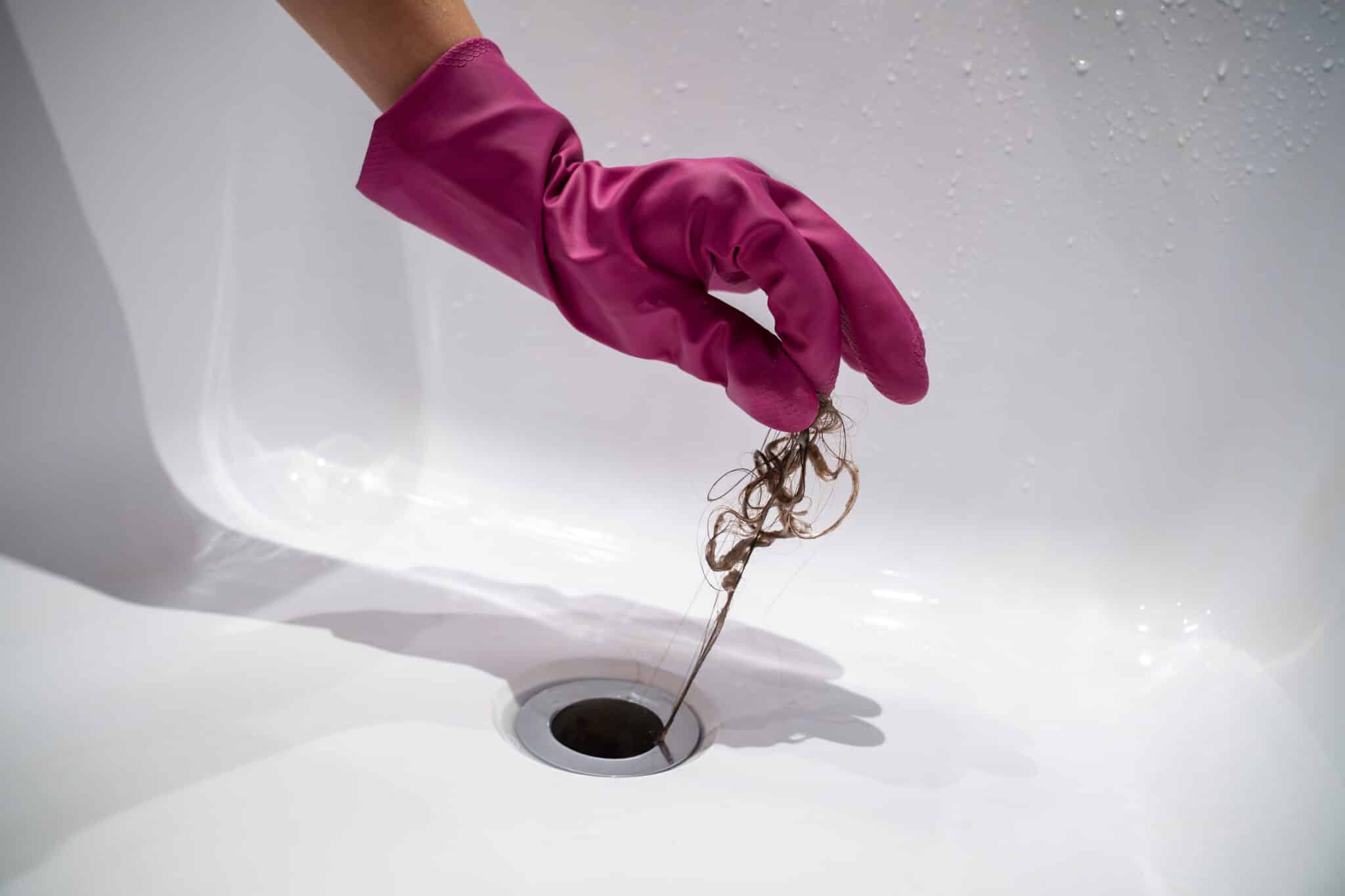
There are several signs that indicate it might be time to consider hydro jetting for your plumbing system. Recurring clogs are one of the most common indicators, as they suggest that there is a more significant underlying issue that needs to be addressed. Slow drains are another sign that your pipes may be clogged with debris and could benefit from the thorough cleaning that hydro jetting provides. Additionally, unpleasant odors emanating from drains can indicate a build-up of organic material that needs to be removed.
Regular maintenance is key to preventing severe plumbing issues, and hydro jetting can be an integral part of a proactive maintenance plan. By scheduling periodic hydro jetting services, homeowners and property managers can keep their plumbing systems in optimal condition, reducing the likelihood of unexpected clogs and costly repairs.
Ideal Scenarios for Hydro Jetting
Hydro jetting is particularly beneficial for certain types of properties and plumbing systems. Commercial properties, which often have larger and more complex plumbing systems, can greatly benefit from the comprehensive cleaning that hydro jetting provides. Properties with a history of frequent clogs or those located in areas with hard water may also find hydro jetting to be an effective solution. Additionally, hydro jetting is ideal for properties with extensive landscaping, as tree roots can invade pipes and cause significant blockages.
Seasonal considerations can also play a role in determining when to schedule hydro jetting services. For example, scheduling hydro jetting in the spring can help clear away any debris that accumulated over the winter, ensuring that the plumbing system is ready for increased use during the warmer months. By incorporating hydro jetting into a regular preventive maintenance schedule, property owners can protect their plumbing systems and avoid unexpected issues.
Choosing a Professional for Hydro Jetting Services
What to Look for in a Hydro Jetting Service Provider
When selecting a hydro jetting service provider, it’s important to choose a reputable and experienced company that can deliver high-quality results. Look for providers with a proven track record and positive customer reviews. Certifications and licenses are also crucial, as they indicate that the provider has the necessary training and expertise to perform the job safely and effectively. A good service provider will also offer transparent pricing and be willing to answer any questions you may have about the process.
In San Diego, CA, where Paws Plumbing is based, homeowners and property managers have access to a range of professional plumbing services. Choosing a local provider like Paws Plumbing ensures that you receive prompt and reliable service from a team familiar with the specific plumbing challenges in the area. By selecting a knowledgeable and experienced provider, you can have confidence in the quality of the hydro jetting services you receive.
Questions to Ask Before Hiring
Before hiring a hydro jetting service provider, it’s important to ask a few key questions to ensure that you are making an informed decision. Inquire about the provider’s experience with hydro jetting and their approach to assessing and addressing plumbing issues. Ask for a detailed estimate that outlines the scope of work, including any potential additional costs. It’s also important to understand the provider’s process for inspecting the plumbing system and determining the most appropriate solution.
By asking these questions and doing your due diligence, you can ensure that you choose a qualified and trustworthy provider for your hydro jetting needs. If you’re in the San Diego area, consider reaching out to Paws Plumbing for expert advice and professional hydro jetting services. Their team is dedicated to providing high-quality plumbing solutions tailored to your specific needs, helping you maintain a healthy and efficient plumbing system.
Paws Plumbing
For homeowners and property managers in San Diego, CA, dealing with persistent plumbing issues, hydro jetting offers a powerful and effective solution. If you’re experiencing recurring clogs or slow drains, consider contacting Paws Plumbing for professional hydro jetting services. Their team of experienced plumbers is ready to help you address your plumbing challenges and ensure the long-term health of your system. Don’t wait for a small problem to become a major issue—reach out to Paws Plumbing today and take the first step towards a cleaner, more efficient plumbing system.
Best Ways to Prevent Plumbing Scale Buildup
In San Diego, the battle against plumbing scale buildup is ongoing. This pesky problem not only reduces the efficiency of plumbing systems but also shortens their lifespan. Homeowners in neighborhoods like Bay Park and Carmel Valley are familiar with the challenges it poses. Fortunately, there are proven strategies to prevent this issue and keep water flowing smoothly.
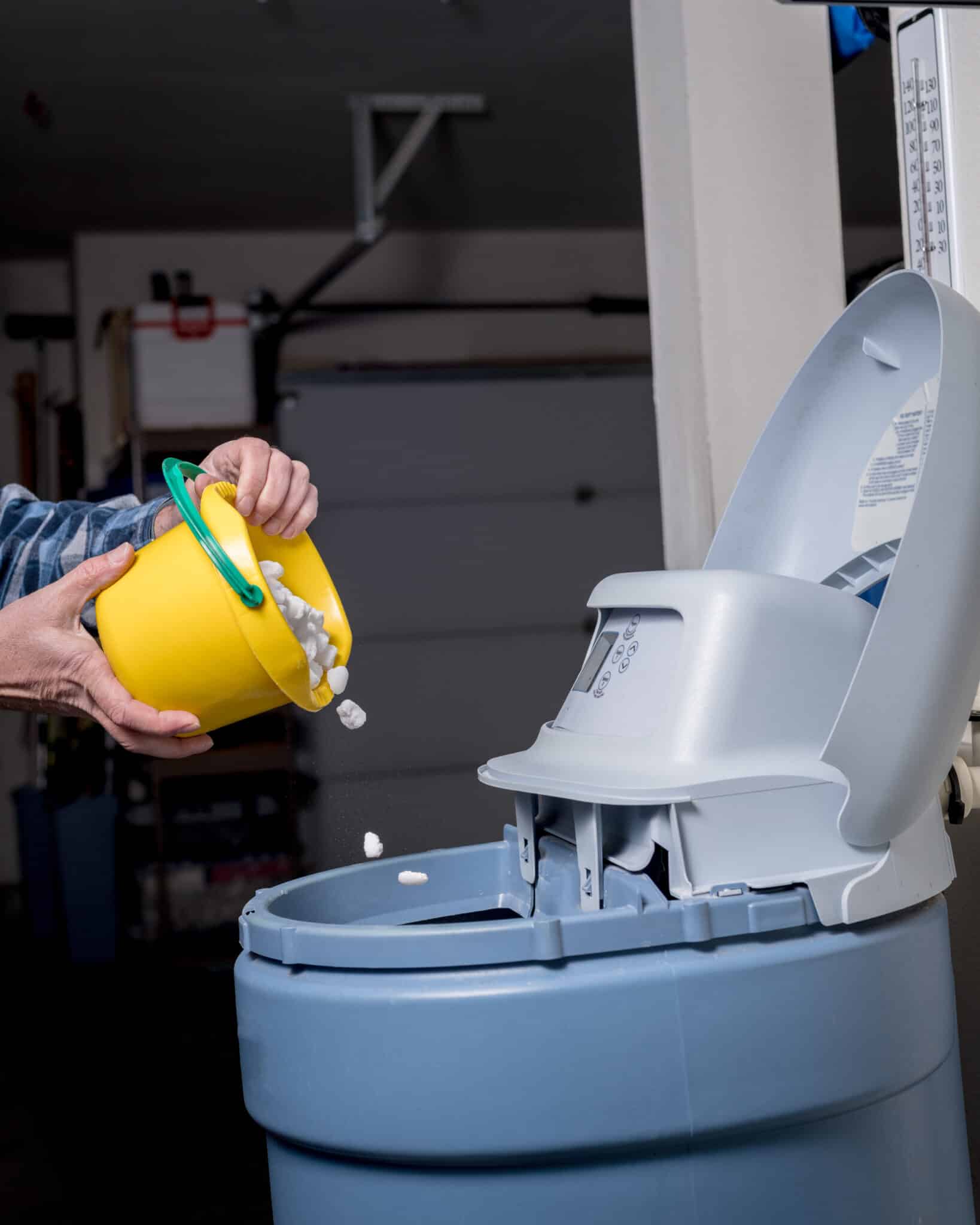
Water softeners play a crucial role in combating plumbing scale buildup. By removing the minerals that cause buildup, these systems help maintain the health of your plumbing. Regular maintenance is equally important. A routine check can catch early signs of scale, preventing larger issues down the line.
San Diego Pure Water, the city’s initiative for cleaner water, has made strides in improving water quality. However, despite these efforts, minerals that contribute to scale can still be present in the water supply. This reality makes it essential for homeowners to stay vigilant and proactive in protecting their plumbing systems.
The team at Paws Plumbing is at the forefront of this fight. With expert knowledge on how to tackle plumbing scale buildup, they offer invaluable assistance to San Diego residents. By following their guidance, homeowners can ensure their plumbing systems remain efficient and long-lasting, safeguarding their homes against the ravages of mineral deposits.
Understanding Plumbing Scale Buildup
Understanding how plumbing scale buildup occurs is the first step toward preventing it. In San Diego, the water supply naturally contains minerals like calcium and magnesium. These minerals are harmless to health but can wreak havoc on plumbing systems. When water heats up, these minerals crystallize and stick to pipes, leading to scale.
Preventing scale buildup is not just about reacting to problems but also about taking proactive measures. Installing a water softener is a highly effective way to combat this issue. It works by exchanging the minerals in the water with sodium or potassium, which do not form scale. This process significantly reduces the risk of buildup in pipes and appliances.
In addition to using a water softener, regular plumbing maintenance is crucial. A professional plumber can inspect pipes for early signs of scale and recommend the best course of action. They can also advise on the frequency of maintenance checks based on your home’s specific needs. This tailored approach helps keep plumbing systems in optimal condition.
Finally, staying informed about San Diego’s water quality initiatives, like San Diego Pure Water, is beneficial. While these efforts improve overall water quality, understanding that minerals can still be present helps homeowners make informed decisions about their plumbing care. By working together with experts like those at Paws Plumbing, residents can effectively minimize the impact of plumbing scale buildup on their homes.
The Role of San Diego Pure Water in Reducing Scale
San Diego Pure Water plays a pivotal role in combating plumbing scale buildup, a common issue in homes across the city. This initiative aims to enhance the quality of water, making it safer and cleaner for everyday use. By addressing the root causes of water impurities, it indirectly aids in reducing the potential for scale. Homeowners in Bay Park and beyond benefit from these efforts, as cleaner water means less mineral deposition in their plumbing systems.
Despite the advances made by San Diego Pure Water, the challenge of completely eliminating minerals from the water supply remains. These minerals, primarily calcium and magnesium, are natural contributors to plumbing scale buildup. Residents, especially those in areas like Carmel Valley, must remain vigilant. Adopting additional measures such as water softeners and regular plumbing maintenance is essential for keeping scale at bay.
The collaboration between homeowners and initiatives like San Diego Pure Water is crucial. By staying informed about the quality of water and the presence of minerals, individuals can make educated decisions on how to protect their plumbing. This proactive approach not only extends the lifespan of plumbing systems but also ensures the efficiency of water use within the home.
In conclusion, while San Diego Pure Water significantly contributes to reducing the risk of plumbing scale buildup, the responsibility also lies with homeowners. Through a combination of utilizing water treatment solutions and supporting city-wide water quality efforts, the battle against scale can be effectively managed. Together, the community and initiatives like San Diego Pure Water create a strong defense against the challenges posed by hard water.
Choosing the right water softener is a critical step in combating plumbing scale buildup in San Diego homes. Different types of water softeners target various minerals more effectively, depending on the water’s composition. For residents in areas like Bay Park, consulting with a plumbing expert can ensure the selection of a system that aligns with their specific water quality. This personalized approach helps in significantly reducing the risk of scale buildup over time.
Water softeners come in several forms, including salt-based and salt-free models. Salt-based systems exchange calcium and magnesium in the water with sodium, preventing these minerals from causing scale. On the other hand, salt-free models neutralize these minerals without the need for salt, making them a preferable option for those concerned about sodium intake. Each type has its advantages, and the choice largely depends on individual health concerns and environmental considerations.
Regular maintenance of your water softener is just as important as the initial selection. This ensures the system operates efficiently and continues to protect your home from plumbing scale buildup. Homeowners in Carmel Valley can benefit from scheduling annual check-ups with professionals who can assess the softener’s performance and make necessary adjustments. This proactive measure keeps the system in top condition, safeguarding plumbing against the detrimental effects of hard water.
Lastly, staying informed about the latest advancements in water softening technology can offer long-term benefits. Innovations in the industry may provide more environmentally friendly and cost-effective solutions to tackle plumbing scale buildup. By keeping an open dialogue with experts like those at Paws Plumbing, homeowners can stay ahead of the curve. Adopting the most suitable water softening technology not only enhances the efficiency of their plumbing systems but also contributes to the overall well-being of their homes.
The Importance of Regular Plumbing Maintenance
Regular plumbing maintenance goes beyond just fixing immediate issues, it plays a crucial role in preventing plumbing scale buildup. By scheduling routine inspections, homeowners can catch and address minor problems before they escalate into major concerns. This proactive approach not only keeps the plumbing system running smoothly but also extends its lifespan. In Bay Park, where water hardness can vary, regular checks ensure that water softeners and filters are functioning effectively.
Involving professionals for maintenance services helps in thoroughly examining areas prone to scale accumulation. Experts use specialized tools to inspect pipes and appliances for any signs of mineral deposits. Their keen eye for detail ensures that even the smallest buildup doesn’t go unnoticed. For residents in Carmel Valley, leveraging expert knowledge can mean the difference between a minor adjustment and a costly repair.
Adopting a routine for cleaning and maintaining household plumbing fixtures can also mitigate the risk of scale. Simple habits, such as descaling faucets and showerheads, contribute significantly to preventing buildup. This not only improves water flow but also enhances the quality of water for daily use. Homeowners can thus enjoy the benefits of their efforts in the form of cleaner, scale-free water throughout their homes.
Lastly, understanding the impact of your water usage patterns on plumbing health is essential. Being mindful of how much water you use and checking for leaks regularly can prevent unnecessary strain on your plumbing system. This vigilance helps in maintaining optimal performance and avoiding the conditions that lead to scale buildup. Through consistent care and attention, homeowners can protect their plumbing systems against the challenges posed by hard water in San Diego.
Professional Services to Combat Plumbing Scale Buildup
In the fight against plumbing scale buildup, professional services offer a comprehensive solution that homeowners in San Diego cannot overlook. These experts bring a wealth of knowledge and specialized equipment to tackle hard water problems effectively. By employing advanced techniques, they can remove existing scale and prevent future accumulation. This approach not only enhances the efficiency of your plumbing system but also extends its lifespan, making it a wise investment for any homeowner.
For residents in Bay Park, utilizing professional plumbing services means getting personalized strategies to combat scale buildup. Professionals assess the specific conditions of your home’s water supply and plumbing system, tailoring their treatment methods accordingly. This customized plan ensures that the solutions implemented are the most effective for your unique situation. As a result, homeowners can enjoy peace of mind, knowing their plumbing is in capable hands.
Carmel Valley homeowners also benefit from the preventive measures offered by these services. Regular professional maintenance helps identify potential issues before they escalate into costly repairs. Experts can spot early signs of scale buildup and address them promptly, safeguarding your plumbing against the adverse effects of hard water. This proactive approach saves time and money in the long run, making it a valuable aspect of home maintenance.
Lastly, professional services keep homeowners informed about the latest solutions and technologies for managing plumbing scale buildup. They provide advice on the best practices for maintaining a scale-free plumbing system, from selecting the right water softeners to adopting efficient water usage habits. With their expertise, homeowners can make informed decisions that contribute to the longevity and performance of their plumbing systems, ensuring a smooth and efficient water flow throughout their homes.
The Impact of Scale Buildup on Plumbing Efficiency
Plumbing scale buildup significantly hampers the efficiency of plumbing systems, a concern that residents in Bay Park know too well. When minerals deposit inside pipes, they restrict water flow, forcing systems to work harder. This not only leads to increased energy consumption but also raises utility bills. As a result, maintaining a scale-free plumbing system is crucial for both efficiency and cost-effectiveness.
In Carmel Valley, the impact of scale buildup extends beyond just efficiency, it also affects the lifespan of plumbing appliances. Water heaters, for instance, are particularly vulnerable, as scale can insulate the heating element, causing it to overheat and fail prematurely. Regular descaling and maintenance become essential practices to prolong appliance life. Homeowners who stay proactive in combating scale can avoid the inconvenience and expense of early replacements.
Moreover, plumbing scale buildup can lead to inconsistent water pressure throughout the home. This inconsistency is not only frustrating during daily activities like showering and washing dishes but can also signal broader plumbing issues. Identifying and addressing scale buildup early prevents minor annoyances from escalating into major problems, ensuring steady water pressure and reliable plumbing performance.
Lastly, the quality of water can suffer due to extensive plumbing scale buildup. Minerals in the water can leave deposits on dishes, shower doors, and even affect skin and hair. By taking steps to minimize scale, homeowners ensure that their water remains clean and clear, enhancing their overall quality of life. Thus, combating plumbing scale buildup is not just about maintaining plumbing efficiency, it’s about preserving the comfort and health of your home environment.
Paws Plumbing experts emphasize the importance of adopting a proactive stance against plumbing scale buildup. They suggest regular water quality tests, especially for homeowners in Bay Park, to detect mineral levels early on. This can guide the adjustment of water softeners, ensuring they’re effectively combating scale. Early detection and adjustment prevent the accumulation of minerals, safeguarding your plumbing’s efficiency.
In Carmel Valley, the advice extends to embracing innovative plumbing technologies. Modern appliances come equipped with features designed to minimize the risk of scale buildup. Paws Plumbing recommends consulting with professionals to select appliances that suit your home’s specific water conditions. This approach not only enhances the longevity of your plumbing but also contributes to overall water conservation efforts.
Another tip involves the strategic installation of filtration systems at key points in your home’s plumbing network. These systems can trap minerals before they have the chance to form scale, particularly in areas prone to high mineral content. By targeting these critical areas, homeowners can significantly reduce the occurrence of scale, maintaining smoother water flow and pressure.
Lastly, Paws Plumbing advises regular professional assessments of your plumbing system. Such assessments can uncover hidden scale buildup that might not be immediately apparent. Addressing these hidden issues promptly can prevent more significant problems down the line, ensuring your plumbing remains in top condition. This proactive maintenance is crucial for keeping your home’s water systems running smoothly and efficiently.
Frequently Asked Questions
What causes plumbing scale buildup?
Plumbing scale buildup occurs when minerals in water, like calcium and magnesium, cling to pipes and fixtures. Over time, these deposits harden and reduce water flow. San Diego’s water, despite being treated, still contains these minerals. Regular maintenance and water softening are key to preventing this buildup and keeping your plumbing running smoothly.
How can I prevent plumbing scale buildup?
To prevent plumbing scale buildup, consider installing a water softener in your home. This device reduces the minerals in your water, protecting your pipes and fixtures. Regularly flushing your system helps wash away any early deposits. Relying on experts for annual check-ups can also keep your plumbing in top shape, ensuring a longer lifespan for your system.
Are water softeners effective against scale?
Water softeners are indeed effective in combating plumbing scale buildup. By removing minerals like calcium and magnesium, they prevent these substances from attaching to pipes and appliances. This process helps maintain efficient water flow and extends the lifespan of plumbing systems. For homes in San Diego, using a water softener is a smart strategy to protect against the challenges of hard water.
What are the signs of plumbing scale buildup?
Signs of plumbing scale buildup include reduced water pressure and flow in your home. You might also notice white, chalky deposits on faucets and showerheads. Appliances that use water, like your dishwasher or washing machine, may not work as efficiently. These symptoms suggest it’s time to check your plumbing for scale and consider treatment options.
Can vinegar remove plumbing scale?
Yes, vinegar can effectively dissolve plumbing scale. This natural acid breaks down the minerals causing the buildup. Simply soaking affected areas with vinegar can help clear them. It’s a handy, eco-friendly solution for minor scale problems at home.
Toilet Won’t Stop Running? Check These Parts
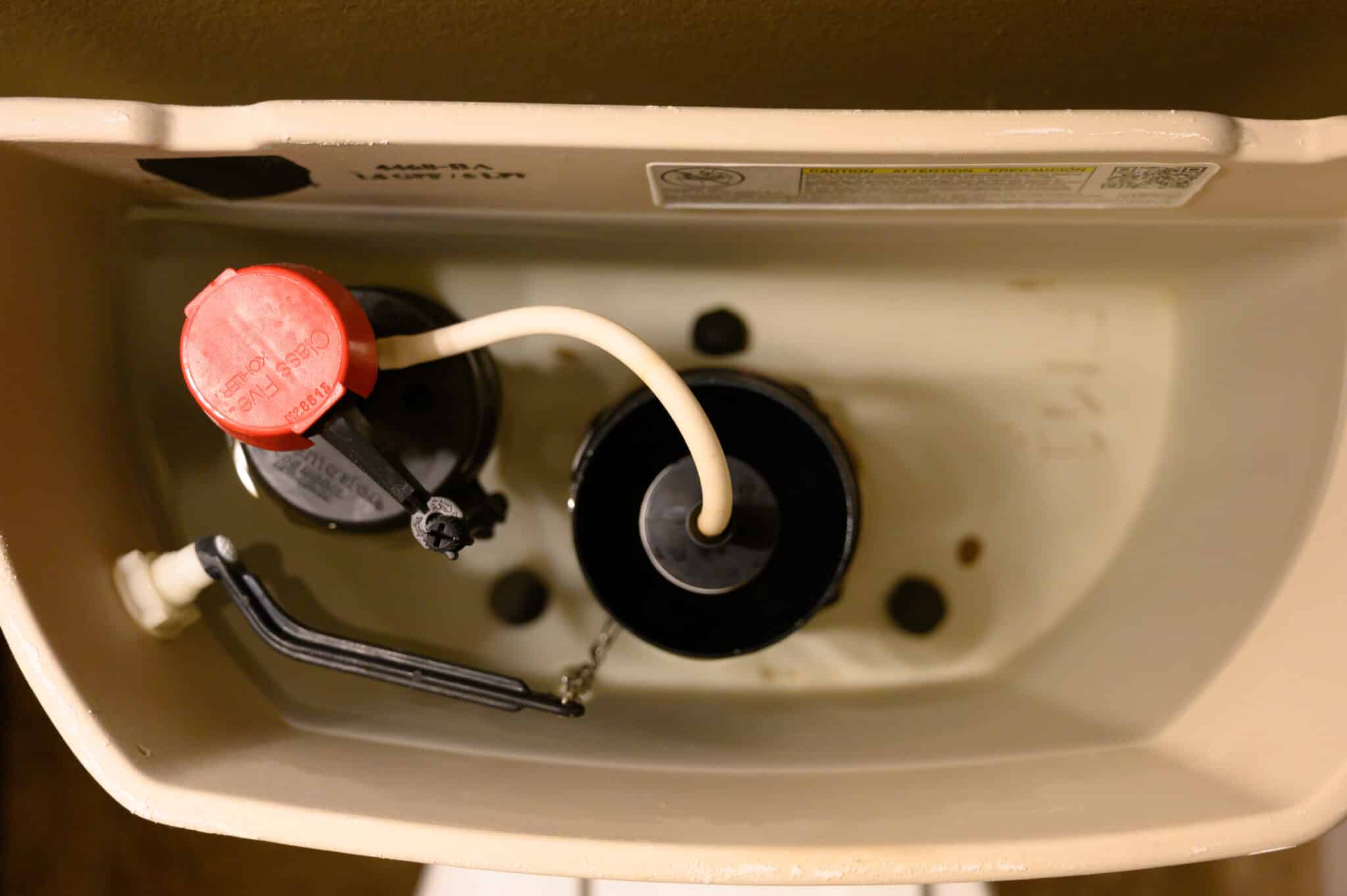
When your toilet won’t stop running, it’s more than just an annoyance, it’s a sign that something’s amiss in your bathroom’s plumbing system. This common issue can lead to gallons of water wasted each day, escalating your utility bills and potentially causing water damage over time. Understanding the key components involved, such as the flapper, fill valve, float, and overflow tube, is crucial in identifying the root cause. Each of these parts plays a vital role in controlling the flow and level of water in your toilet tank.
If you’re in La Jolla or surrounding areas and find yourself facing a toilet that won’t stop running, it’s essential to check these components for wear and tear. A deteriorating flapper or a malfunctioning fill valve can often be the culprits behind this persistent problem. Similarly, an improperly adjusted float or a damaged overflow tube can disrupt the delicate balance required for your toilet to function correctly. Catching these issues early can save you from unnecessary water loss and prevent further damage to your plumbing system.
Residents of Linda Vista and nearby neighborhoods know that dealing with a toilet that won’t stop running can be frustrating. However, it’s a problem that shouldn’t be ignored. By paying attention to the signs of wear on these crucial toilet parts, you can address the issue before it escalates. Regular checks and maintenance can help ensure that your toilet runs efficiently, conserving water and keeping your utility bills in check.
For those who are not comfortable tackling plumbing issues on their own, or if the problem persists despite your best efforts, seeking expert assistance is a wise choice. In San Diego, Paws Plumbing is renowned for its expertise in diagnosing and fixing toilets that won’t stop running. With a team of experienced professionals, they can quickly identify the cause of the problem and provide a lasting solution, ensuring your toilet operates smoothly and efficiently once more.
Understanding Why Your Toilet Won’t Stop Running
When exploring why your toilet won’t stop running, it’s pivotal to begin with the flapper. This rubber seal between the tank and bowl controls water flow. Over time, it can degrade or become unseated, causing a constant trickle. Inspecting this component for cracks or warps can reveal if it’s the source of your woes.
Next, the fill valve deserves attention. This mechanism refills the tank after each flush. If it fails to shut off properly, water will continue to run. Adjusting or replacing a malfunctioning fill valve can often resolve the issue, restoring proper function to your toilet.
Additionally, the float’s role cannot be overlooked. This part adjusts the water level in the tank. If set too high, water spills into the overflow tube, and the toilet won’t stop running. Ensuring the float is correctly positioned prevents excess water flow, saving you from potential headaches and high bills.
Lastly, examining the overflow tube is crucial. This safety feature prevents tank overflows but can contribute to a running toilet if damaged. If the overflow is cracked or too short, the toilet won’t stop running. Addressing these components systematically can significantly reduce the chances that your toilet won’t stop running, promoting efficiency and peace of mind.
The Role of the Flapper in Your Toilet’s Functionality
Understanding the functionality of your toilet’s flapper is crucial when tackling the issue of why your toilet won’t stop running. The flapper acts as a gatekeeper, controlling the flow of water from the tank into the bowl. When it fails to form a tight seal, water leaks continuously, leading to an incessant running sound. Regular inspection for signs of wear or misalignment can prevent this frustrating problem.
In La Jolla, homeowners often overlook the simplicity of fixing a faulty flapper, which can be the key to solving a toilet won’t stop running scenario. A worn-out flapper is easily replaced with a trip to the hardware store and a few minutes of DIY effort. Ensuring a proper fit and seal can dramatically reduce water wastage, contributing to more efficient home plumbing. This straightforward fix not only saves water but also avoids the annoyance of constant noise.
However, if after inspecting the flapper, your toilet won’t stop running, further investigation into other components may be necessary. It’s important not to ignore this issue, as it signifies that water is being wasted, increasing your utility bills. Residents in Linda Vista are encouraged to regularly check their toilet’s internal mechanisms to catch and address problems early. Prompt action can lead to quick resolutions, maintaining the efficiency of your home’s plumbing system.
For those who find the task daunting or if the problem persists, seeking professional help is a practical solution. Experts in plumbing can offer a thorough inspection and repair service, ensuring that every part of your toilet is functioning correctly. Their experience allows them to quickly identify and fix any issue, providing peace of mind to homeowners. This approach not only secures the functionality of your toilet but also promotes water conservation and efficiency in your household, especially when your toilet won’t stop running.
Diagnosing Issues with the Fill Valve
Moving on to the fill valve, this component is essential for refilling the toilet tank after each flush. If it malfunctions, the toilet won’t stop running, leading to unnecessary water wastage. Residents in La Jolla can easily check this part by listening for a hiss or watching for water that continues to flow after the tank is full. Adjusting or replacing the fill valve can quickly solve this issue, ensuring your toilet functions efficiently.
In some cases, the problem might be with the fill valve’s connection to the water supply line. A loose connection can cause a constant flow of water, meaning the toilet won’t stop running even after flushing. Tightening this connection or replacing a worn-out supply line can stop your toilet from running incessantly. This simple fix can save gallons of water daily and reduce your utility bills.
Another aspect to consider is the fill valve’s adjustment settings. If set incorrectly, it can cause the water level in the tank to be too high or too low, leading to issues where the toilet won’t stop running. Homeowners in Linda Vista can easily adjust these settings themselves, ensuring the water level is appropriate for their specific toilet model. Proper adjustment prevents overflow and ensures the toilet stops running after each flush.
Lastly, it’s important to inspect the fill valve for any signs of wear or damage. Over time, mineral deposits from hard water can clog the valve, or its components can wear out, affecting its functionality. Cleaning or replacing a damaged fill valve can restore the proper flow of water into the tank. This helps ensure that the toilet won’t stop running, saving both water and future plumbing headaches.
How the Float Affects Water Level and Flow
Adjusting the float is a crucial step when addressing why your toilet won’t stop running. This component determines the water level in the tank, preventing it from being too high or too low. If the float is set incorrectly, it can cause continuous water flow or insufficient flushing. Homeowners in La Jolla can easily adjust the float themselves, ensuring the water stops at the right level.
Sometimes, the issue might be with the float itself being damaged or stuck, which can make the toilet won’t stop running persist. This can happen when the fill valve fails to shut off due to the incorrect water level signal. Checking the float for any obstructions or signs of wear can help identify this problem. Residents in Linda Vista can resolve this by cleaning or replacing the float to ensure it moves freely.
Another aspect to consider is the interaction between the float and the fill valve. If the float is not properly connected to the fill valve, the toilet won’t stop running consistently. Ensuring a secure connection between these parts is essential for the proper functioning of your toilet. This simple check can prevent the toilet from running continuously and save water.
Lastly, it’s important to regularly inspect the float for adjustments. Over time, the correct water level setting may shift, requiring a readjustment. This proactive approach can keep your toilet running efficiently. By maintaining the correct float level, homeowners can prevent situations where the toilet won’t stop running, conserving water and reducing utility bills.
Inspecting the Overflow Tube for Problems
Inspecting the overflow tube is a crucial step when you find your toilet won’t stop running. This part prevents water from spilling over by directing excess into the bowl. If it’s damaged or incorrectly installed, it can cause continuous water flow. Homeowners in La Jolla can check for cracks or misalignment to ensure it’s functioning correctly.
Sometimes, the issue isn’t visible damage but rather an overflow tube that’s set too high, which means the toilet won’t stop running properly. This can lead to water constantly running into the bowl, contributing to the problem. By adjusting the tube to the correct height, you can stop the water from overflowing. This adjustment is a simple fix that residents in Linda Vista can perform to save water and reduce their bills.
It’s also important to ensure the overflow tube isn’t clogged. A blockage can disrupt the water flow, making it so the toilet won’t stop running despite other components working fine. Clearing any debris from the tube can restore proper water circulation. This maintenance task helps keep your toilet operating efficiently and prevents unnecessary water wastage.
Lastly, regular inspection of the overflow tube can prevent future issues. Catching problems early on can save time and avoid the frustration when your toilet won’t stop running. By keeping an eye on this component, you can ensure your toilet functions smoothly, conserving water and keeping your plumbing in top shape.
Step-by-Step Guide to Fixing a Running Toilet
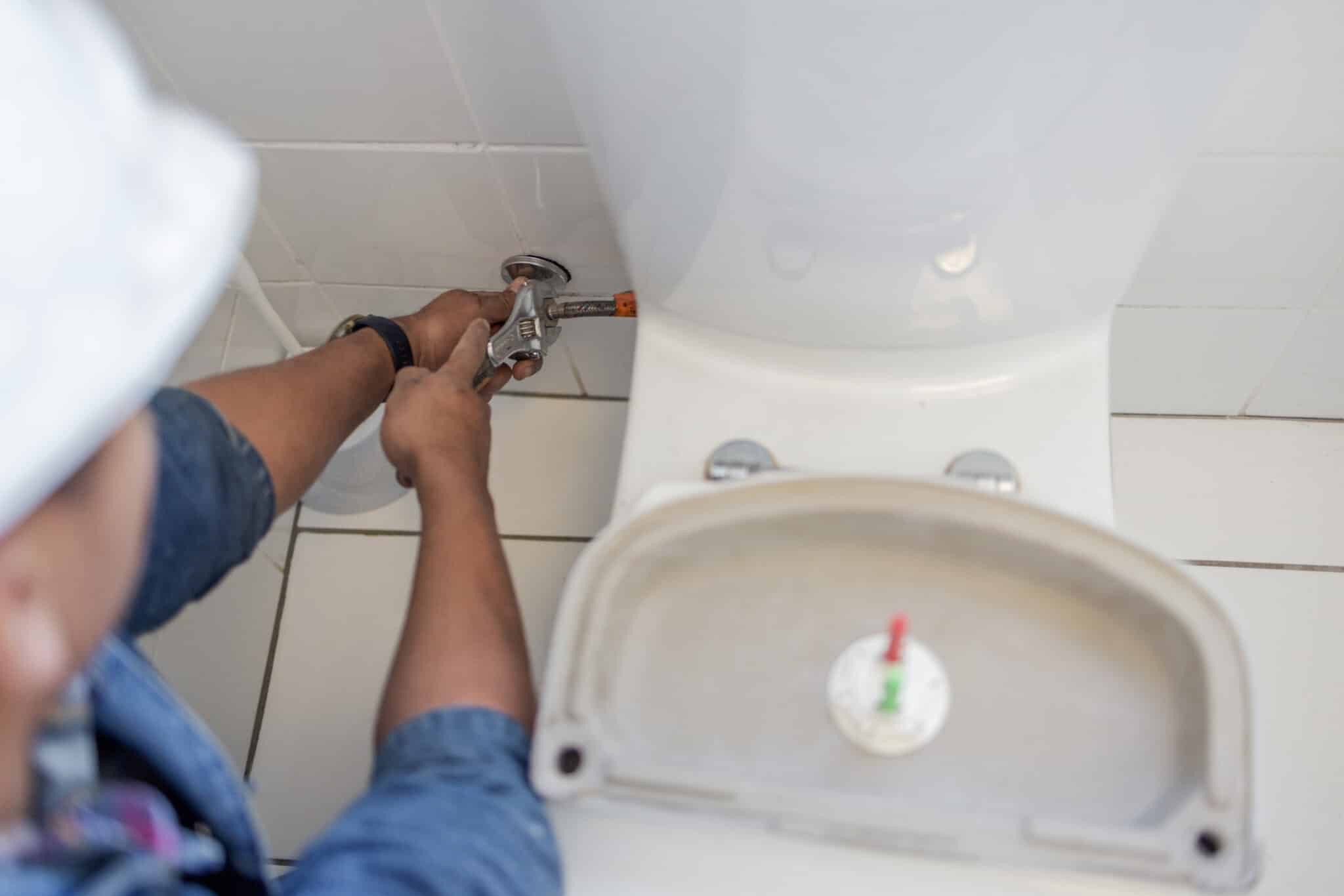
When a toilet won’t stop running, starting with a systematic approach can make all the difference. First, shut off the water supply to your toilet to prevent further water loss. This simple step is crucial and ensures that you can inspect each component without the distraction of flowing water. Residents in La Jolla will find this initial action helpful in preparing for the next steps of troubleshooting.
Next, remove the toilet tank lid and place it safely aside. With the water supply off, flush the toilet to drain the tank, providing clear access to all internal parts. This allows homeowners in Linda Vista to visually inspect the flapper, fill valve, float, and overflow tube without obstruction. Clearing the tank makes it easier to identify any worn or damaged components that could be the reason the toilet won’t stop running.
After draining the tank, check the flapper for signs of wear or improper seating. If the flapper appears damaged or does not form a complete seal, replacing it is often a quick fix. This step is crucial as a faulty flapper is a common culprit behind a toilet won’t stop running situation. Ensuring a tight seal can significantly reduce water wastage and restore your toilet’s efficiency.
Finally, if the issue persists, proceed to inspect the fill valve, float, and overflow tube. Adjusting the float to ensure it stops the water at the correct level can be a simple yet effective solution. If these steps do not resolve the problem, the fill valve or overflow tube may require adjustment or replacement. These measures ensure the toilet won’t stop running, helping to conserve water and reduce household costs.
When to Call Paws Plumbing for Toilet Repairs
Despite your best efforts, there are times when a toilet won’t stop running even after checking the flapper, fill valve, float, and overflow tube. In such instances, it’s wise to seek professional help. Paws Plumbing in San Diego has the expertise to diagnose and resolve complex plumbing issues. Their skilled team can save you time and prevent further water wastage.
Residents of La Jolla understand the importance of conserving water and maintaining an efficient home. When DIY fixes don’t solve the problem, calling in the experts from Paws Plumbing ensures that every aspect of your toilet’s function is thoroughly examined. They bring the right tools and knowledge to fix issues that might not be apparent to the untrained eye. This approach not only stops the toilet from running but also enhances the overall health of your plumbing system.
In Linda Vista, homeowners who experience persistent plumbing problems can attest to the peace of mind that comes with professional intervention. Paws Plumbing’s prompt and efficient service means you won’t have to worry about recurring issues. They identify the root cause and implement a lasting solution, ensuring your toilet operates smoothly. This level of service prevents future emergencies and saves on potential repair costs.
Ultimately, when a toilet won’t stop running, knowing when to call in professionals like Paws Plumbing is key. Their expertise in handling such problems can prevent unnecessary water loss and ensure your plumbing system remains in top condition. Trusting their experienced team to manage your repairs can lead to significant savings and a stress-free resolution.
Conserving Water and Preventing Damage
Addressing a toilet won’t stop running not only saves water but also prevents potential damage to your home’s plumbing system. In La Jolla, residents are increasingly aware of the importance of water conservation. By ensuring that all components of their toilets are functioning properly, they can avoid the unnecessary waste of this precious resource. This proactive approach contributes significantly to both environmental conservation and the reduction of utility bills.
In Linda Vista, homeowners understand that a toilet won’t stop running can lead to more than just increased water bills. If left unaddressed, the constant flow of water can strain the plumbing system, leading to leaks or even water damage over time. Regular maintenance and prompt repairs are essential in preventing such outcomes. Taking action at the first sign of a problem can save a lot of hassle and expense in the long run.
The key to preventing situations where a toilet won’t stop running lies in routine checks and maintenance. Simple steps, like inspecting the flapper, fill valve, float, and overflow tube, can reveal early signs of wear or malfunction. Catching these issues early not only keeps your toilet running efficiently but also extends the lifespan of your plumbing fixtures. This diligence ensures that water is used wisely and responsibly.
Ultimately, conserving water and preventing damage to your home’s plumbing are interconnected goals. By resolving problems where the toilet won’t stop running, homeowners can achieve both. Regular maintenance, combined with a quick response to repair needs, forms a solid defense against water waste and plumbing problems. This approach not only benefits individual households but also supports the broader community effort to conserve water and protect our environment.
Frequently Asked Questions
What causes a toilet to keep running?
A toilet that won’t stop running often points to issues with the flapper, fill valve, float, or overflow tube. These parts regulate water flow and ensure the tank fills correctly after flushing. When they wear out or break, water continuously leaks, leading to constant running. Regular checks can prevent this problem and save water.
How do I fix a toilet that won’t stop running?
To fix a toilet that won’t stop running, start by examining the flapper for wear and tear. If it’s damaged, replacing it can often solve the problem. Adjusting the fill valve and float might also help if the water level is too high or too low. Lastly, check the overflow tube to ensure it’s not causing excess water to drain from the tank.
Can a faulty flapper cause a toilet to run continuously?
Yes, a faulty flapper is a common culprit behind a toilet that won’t stop running. It acts as a seal for the tank’s water, and when it’s damaged, water leaks into the bowl non-stop. Replacing a worn-out flapper can quickly fix the issue, restoring your toilet to proper function. This simple step can save gallons of water and prevent unnecessary waste.
Why is my toilet won’t stop running after flushing?
If your toilet keeps running after flushing, it’s likely due to a malfunction in one of its internal components. A common issue is the flapper not sealing properly, allowing water to flow continuously. Alternatively, the fill valve or float might be incorrectly adjusted, causing an endless cycle of filling and draining. Addressing these parts can often resolve the problem, ensuring your toilet operates efficiently once more.
How often should I check the toilet parts for wear and tear?
It’s smart to inspect your toilet parts for wear and tear at least once a year. This regular check-up can catch any issues early, preventing a toilet that won’t stop running. If you notice any signs of damage or malfunction during these inspections, addressing them promptly can save water and reduce your bills. For those unsure about what to look for, seeking guidance from professionals like Paws Plumbing can be a great help.
How Weather Affects Sewer Lines in San Diego
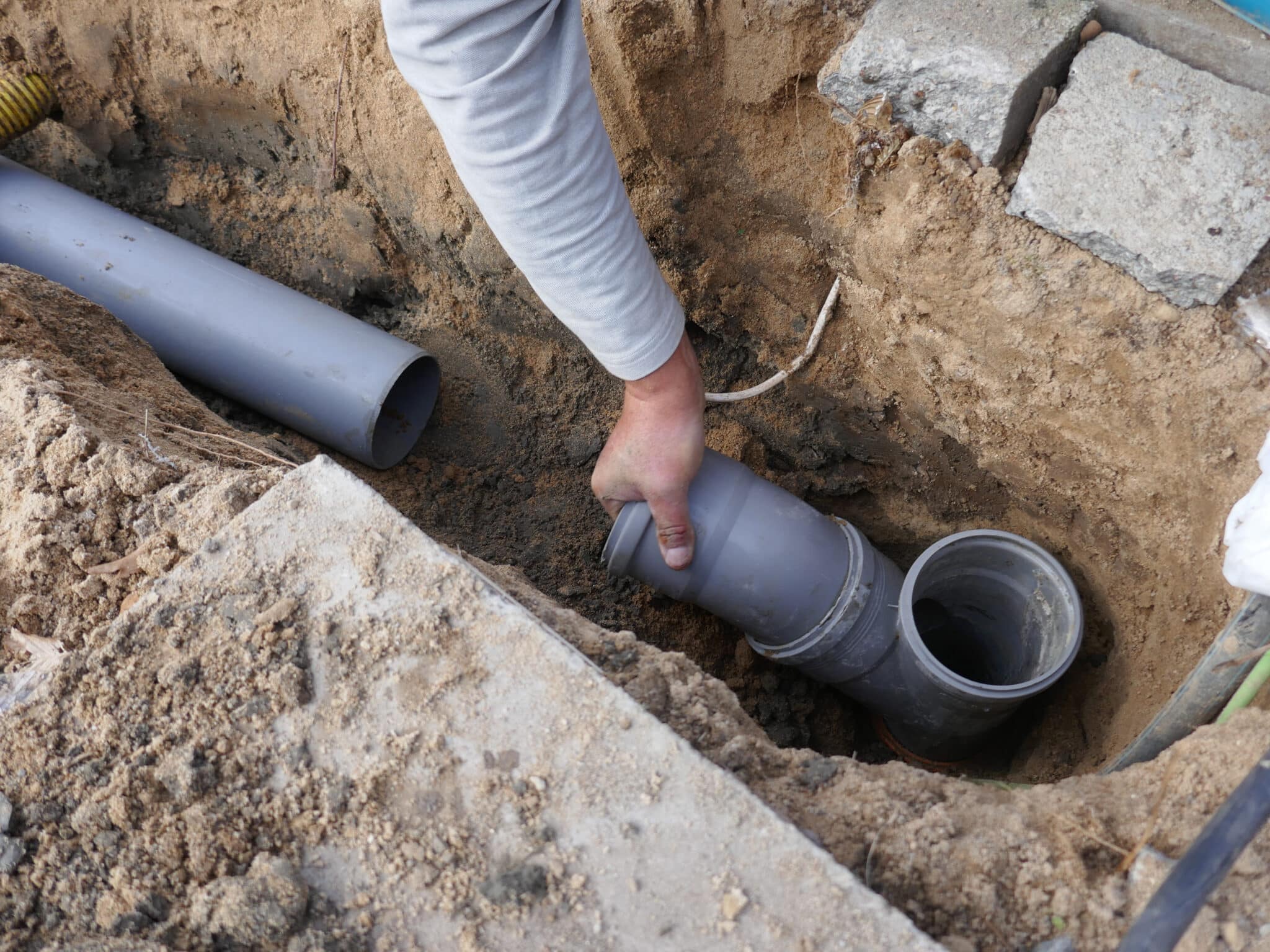
As the weather shifts, the ground around these essential components of our sanitation system can move, causing stress and potential damage. Understanding how these changes affect sewer lines is crucial for maintaining a healthy, functioning system.
In areas like Del Mar and Encinitas, where the coastal environment contributes to soil composition, the impact can be even more pronounced. Heavy rains can lead to soil expansion, exerting extra pressure on sewer lines. This pressure can cause cracks or blockages, leading to a range of problems from backups to unpleasant odors. Awareness of these issues is the first step towards preventing them.
Moreover, the increase in water flow during rainy seasons can overwhelm sewer lines, especially if they are already compromised by cracks or blockages. This situation is further aggravated by root intrusion, a common issue in residential areas with abundant greenery. Roots naturally seek out water sources, and sewer lines often become unintended targets, leading to additional stress and potential breaches in the system.
Recognizing the signs of weather-related stress on sewer lines and taking timely action is vital. While sudden temperature changes and heavy rains are out of our control, regular inspections and maintenance can help mitigate their impact. For residents of San Diego, including those in Del Mar and Encinitas, staying informed and proactive about the health of their sewer lines is key to avoiding disruptions and maintaining a smooth-running sewer system.
San Diego’s climate, while mostly pleasant, presents unique challenges for sewer lines due to its occasional unpredictability. Sudden drops in temperature can cause the ground to contract, while a quick shift to warmer weather leads to expansion. This constant movement puts a strain on the infrastructure, particularly sewer lines that run underground. As a result, even minor shifts can lead to significant issues, such as cracks or leaks that disrupt the system’s integrity.
Heavy rainfall, though less common, has a profound effect when it does occur. The soil around sewer lines, especially in coastal areas like Del Mar and Encinitas, absorbs this excess water, expanding and putting pressure on the pipes. This can lead to blockages, as the increased water flow carries debris that gets caught in cracks or weak joints. Consequently, homeowners might face the inconvenience of backups or the unpleasantness of sewer odors invading their homes.
Root intrusion further complicates the situation, particularly after heavy rains when the soil is moist and roots are seeking moisture. Trees and large plants, attracted to the water and nutrients flowing through sewer lines, can invade and damage these pipes. This natural process can exacerbate existing vulnerabilities in the sewer system, leading to more severe blockages or even complete system failures if not addressed promptly.
To mitigate these weather-related challenges, residents should stay vigilant and seek professional inspections regularly. Catching problems early can prevent them from escalating into more significant, costly repairs. Understanding the impact of San Diego’s climate on sewer lines allows homeowners to take proactive steps, ensuring their sewer system remains functional and efficient despite the weather’s unpredictability.
Understanding How Soil Shifts Affect Sewer Lines
Soil shifts in San Diego, particularly after changes in weather, play a significant role in the health of sewer lines. When the ground moves, it can displace sewer pipes, leading to misalignments or even separations. These disruptions create openings for debris to enter and accumulate, causing blockages. Regular monitoring of these lines is essential to catch and address these shifts early.
In coastal areas like Encinitas, the sandy soil tends to absorb water quickly but can also dry out and shift more dramatically. This instability around sewer lines increases the risk of cracks forming. Once a crack appears, it can quickly become a larger problem if not repaired, as water infiltration exacerbates the issue. Homeowners should be particularly vigilant about these potential shifts.
After heavy rains, soil expansion around sewer lines can squeeze pipes, sometimes leading to fractures. This is especially true in regions with clay-heavy soil, such as certain parts of Del Mar. These fractures not only allow sewage to escape but also let groundwater in, which can overwhelm the system. It’s crucial to ensure that drainage around sewer lines is adequate to mitigate this pressure.
Finally, understanding the relationship between soil conditions and sewer lines helps in maintaining a robust sewer system. Proactive steps, including regular inspections and maintenance, can prevent minor issues from becoming major disruptions. By recognizing how soil shifts and weather changes impact sewer lines, residents can help keep their systems running smoothly. This awareness is key to avoiding the unpleasant consequences of sewer line failures.
The Role of Heavy Rains in Sewer Line Stress
Heavy rains in San Diego can significantly impact sewer lines, leading to various issues that affect the functionality of the system. When it rains heavily, the ground becomes saturated, increasing the pressure on sewer pipes. This pressure can cause pipes to crack or break, allowing water to infiltrate the system and potentially cause backups. Homeowners in areas like Del Mar should be especially cautious during and after heavy rainfall to monitor for signs of sewer line stress.
In addition to physical damage, heavy rains can lead to an increase in runoff entering the sewer system. This surge can overwhelm sewer lines, especially if they are already near capacity or have existing vulnerabilities. The extra flow can push debris and sediment into the system, creating blockages that disrupt service. Residents of Encinitas and similar communities should be aware of the increased risk during rainy seasons.
Root intrusion is another concern exacerbated by heavy rains. As the soil becomes more saturated, tree roots may grow towards the moisture-rich sewer lines, causing further damage or blockages. This natural growth can quickly turn into a significant problem, as roots can penetrate even small cracks in the pipes, leading to more extensive damage. It’s crucial for homeowners to address any signs of root intrusion promptly to prevent sewer line failures.
To mitigate the effects of heavy rains on sewer lines, it’s essential to maintain proper drainage around your property. Ensuring that water flows away from sewer lines can help reduce pressure on the system and prevent soil saturation around the pipes. Regular inspections and maintenance can also identify potential issues before they become severe, helping to keep the sewer system in San Diego running smoothly despite the challenges posed by heavy rainfall.
How Root Intrusion Threatens Sewer Lines in San Diego
In San Diego, root intrusion poses a significant threat to the integrity of sewer lines, particularly after periods of heavy rainfall. The natural growth patterns of trees and large plants lead them to seek out the nearest source of water, which, unfortunately, can be the moisture surrounding sewer pipes. This quest for hydration often results in roots infiltrating tiny cracks or joints in the sewer lines, leading to blockages or further damage. Homeowners in Encinitas should be particularly mindful of landscaping near sewer lines to mitigate this risk.
Addressing root intrusion early is crucial for maintaining the functionality of sewer systems. Once roots have breached a sewer line, they can cause a range of problems, from reduced flow and backups to complete system failures. Regular inspections can help identify potential root intrusion, especially in areas like Del Mar, where lush landscapes are common. Proactive measures, including root barriers or choosing sewer-safe plants, can prevent costly repairs.
The aftermath of heavy rains in San Diego often exacerbates the issue of root intrusion. Saturated soil not only makes it easier for roots to travel towards sewer lines but also increases the pressure on these pipes, making them more susceptible to damage. This combination of factors can accelerate the rate at which roots invade sewer lines, leading to more frequent and severe blockages. It’s essential for homeowners to be vigilant during rainy seasons to prevent such occurrences.
Fortunately, there are solutions to combat the threat of root intrusion in sewer lines. Techniques such as hydro jetting or the use of root-killing agents can clear existing blockages and deter future growth. However, these methods should be applied by professionals to ensure the safety and integrity of the sewer lines. By understanding the risks and taking preventive actions, residents of San Diego can protect their sewer systems from the damaging effects of root intrusion.
Identifying Common Weather-Related Sewer Line Issues
Identifying common weather-related issues with sewer lines in San Diego starts with recognizing the signs of distress in the system. Sudden temperature shifts can cause the ground to expand or contract, putting undue pressure on sewer pipes. This phenomenon often results in cracks or leaks, which if left unchecked, can escalate into more severe problems. Homeowners should monitor their systems closely, especially during periods of dramatic weather changes.
Heavy rains pose another significant risk, leading to soil saturation around sewer lines. This saturation increases the pressure on pipes, making them prone to breakage or collapse. In areas like Encinitas, where the soil composition can drastically change the impact on sewer lines, it’s crucial to be aware of these risks. Ensuring proper drainage can help alleviate some of the pressure on the system during these wetter periods.
Root intrusion, exacerbated by wet conditions, continues to be a major concern for sewer lines. Trees and large plants, seeking moisture, can invade even the smallest cracks in sewer pipes. For residents in Del Mar, being mindful of planting locations and the types of vegetation can prevent root-related damage. Regular inspections can catch early signs of intrusion, preventing long-term issues.
Finally, increased water flow during heavy rains can overwhelm sewer systems, especially if there are pre-existing vulnerabilities. Debris carried by the runoff can lead to blockages, causing backups and potential health hazards. It’s essential for homeowners to keep an eye on their sewer lines’ performance during and after storms. Taking proactive steps, such as clearing potential blockages and ensuring the system is in good repair, can mitigate the impact of San Diego’s weather on sewer lines.
Taking preventative measures to protect sewer lines in San Diego is essential, especially given the city’s unique weather patterns. Homeowners can start by scheduling regular inspections to identify potential issues before they escalate. These checks can reveal cracks, blockages, or root intrusions early, allowing for timely interventions. Additionally, ensuring that the area around sewer lines is clear of deep-rooted trees can prevent root-related damages.
In areas like Encinitas, where soil conditions can rapidly change due to weather, implementing proper drainage solutions is crucial. This can involve grading the landscape to direct water away from sewer lines, reducing pressure and the risk of cracks or breaks. Homeowners should also consider installing root barriers as a physical shield against invasive tree roots. Such barriers provide an effective defense, keeping the sewer lines safe from encroaching roots.
During heavy rains, residents of Del Mar can take extra precautions to safeguard their sewer systems. Clearing gutters and drains of debris ensures that water flows freely, preventing unnecessary overflow and pressure on sewer lines. It’s also wise to reduce water usage during storms to lessen the burden on the city’s sewer infrastructure. This simple step can make a significant difference in preventing system overloads and backups.
Finally, embracing newer technologies and materials for sewer line repairs and replacements can offer long-term benefits. Trenchless repair methods, for example, minimize soil disturbance and reduce the risk of future issues. By staying informed about the latest advancements in sewer line maintenance and repair, San Diego residents can better protect their homes and community from weather-related sewer problems. Adopting these preventative measures can lead to a more resilient sewer system, capable of withstanding the challenges posed by the city’s climate.
The Importance of Regular Sewer Line Inspections
Regular sewer line inspections play a crucial role in maintaining the health of San Diego’s sewer systems. These inspections can catch issues like cracks, blockages, or root intrusions before they escalate into more significant problems. For homeowners in Encinitas, this proactive step is essential to prevent minor issues from becoming major disruptions. Early detection through inspections ensures that sewer lines continue to function efficiently and reliably.
The changing weather in San Diego, with its sudden temperature shifts and heavy rains, makes sewer lines vulnerable to various stresses. Regular inspections help identify areas where the soil movement has affected the sewer lines, potentially causing misalignments or breaks. In Del Mar, where coastal conditions can exacerbate these effects, staying ahead of potential problems through inspections is particularly important. This approach minimizes the risk of sewer line failures that can lead to costly repairs.
Inspections also offer an opportunity to assess the impact of root intrusion on sewer lines. This common issue, if not addressed timely, can lead to severe blockages and system failures. By identifying and addressing root intrusion early, homeowners can avoid the inconvenience and expense of major sewer line repairs. It’s a proactive measure that safeguards the sewer system against one of its most persistent threats.
Ultimately, the importance of regular sewer line inspections cannot be overstated for residents of San Diego. These inspections are a key preventative measure that helps maintain the integrity and functionality of the sewer system. They enable homeowners to address potential issues early, saving time, money, and avoiding the hassles associated with sewer line problems. Regular inspections ensure that sewer lines remain in good condition, ready to withstand the challenges posed by San Diego’s unique climate.
Paws Plumbing: Your Solution for Sewer Line Repairs
In San Diego, where the weather can swiftly change, the health of sewer lines becomes a priority for homeowners. Paws Plumbing stands as a beacon of reliability for addressing these concerns. With a team of professionals equipped to handle the intricacies of sewer line repairs, residents of Encinitas and beyond can rest easy. Their expertise ensures that the challenges posed by soil shifts and root intrusion are expertly managed.
Heavy rains and sudden temperature fluctuations in areas like Del Mar put additional stress on sewer lines. Paws Plumbing responds with timely inspections and repairs, preventing minor issues from escalating. This proactive approach is crucial in maintaining the functionality and efficiency of the sewer system. Homeowners appreciate the peace of mind that comes from knowing their sewer lines are in capable hands.
Root intrusion, a common problem exacerbated by San Diego’s climate, requires a knowledgeable response. Paws Plumbing utilizes the latest techniques to address this issue, safeguarding sewer lines against blockages. Their methods are not only effective but also designed to prevent future intrusions. This level of care and attention to detail sets them apart in maintaining the health of sewer lines.
For residents of San Diego, Paws Plumbing is the go-to solution for sewer line repairs. Their commitment to excellence ensures that each repair is conducted with the highest standards. By choosing Paws Plumbing, homeowners are opting for a service that prioritizes the longevity and reliability of their sewer lines. It’s a choice that offers security and confidence, regardless of the weather’s impact.
Frequently Asked Questions
How does rain impact San Diego’s sewers?
Rain in San Diego can significantly affect sewer lines. Heavy downpours increase water flow, leading to potential blockages and stress on the system. This extra pressure can cause cracks or even breaks in the pipes. As a result, residents might experience backups and unpleasant odors, signaling the need for professional inspection and repair.
Can heat damage Sewer Lines in San Diego?
In San Diego, extreme heat can also harm sewer lines. High temperatures cause the ground to shift, putting pressure on pipes. This may lead to cracks or breaks, disrupting service. For these issues, Paws Plumbing offers expert repair and maintenance.
What signs indicate weather damage?
Weather damage to sewer lines often shows up as frequent backups in your home. You might also notice a foul odor emanating from drains or your yard. Cracks or unevenness in the ground near sewer lines can indicate soil shifts. For these signs, Paws Plumbing provides timely inspections and repairs to keep your system running smoothly.
Are San Diego Sewer Lines vulnerable to drought?
San Diego sewer lines are indeed vulnerable to drought conditions. The lack of water can cause the soil to dry out and contract, putting extra pressure on pipes. This often leads to cracks or breaks, disrupting the flow within the system. For these drought-related issues, Paws Plumbing is ready to provide expert repair and maintenance services.
How to protect Sewer Lines from weather?
To shield sewer lines from weather effects, regular maintenance is key. Start by having Paws Plumbing inspect and clean them annually to prevent blockages. Adding a root barrier can also deter tree roots from invading and damaging pipes. Lastly, ensure proper drainage around your property to minimize soil shifts during heavy rains or droughts.
Sign You Have a Hidden Plumbing Leak
Discovering a hidden plumbing leak in your home can be akin to finding a needle in a haystack. In San Diego, CA, where the sun hardly takes a break, the last thing any homeowner wants is an undetected leak wreaking havoc behind the scenes. Whether you reside in the bustling neighborhoods of Carmel Valley or the serene streets of Clairemont, being vigilant about the subtle signs of a hidden plumbing leak is crucial. It’s not just about the inconvenience, it’s about safeguarding your home from potential damage.
Musty smells creeping through your hallways could be more than just an old book forgotten on a shelf. This odor often signals a hidden plumbing leak, quietly damaging your property’s structure. Similarly, unexplained stains on your walls or ceilings should raise an alarm. They are not just an eyesore but a beacon, indicating moisture where it shouldn’t be.
Another tell-tale sign of a hidden plumbing leak is a sudden spike in your water bill. If your consumption habits haven’t changed but your bill tells a different story, it’s time to investigate. Residents of San Diego have experienced this, and it often leads back to a leak that’s out of sight, causing water to flow unchecked.
Identifying a hidden plumbing leak early can save you from the headache of extensive repairs and high utility bills. It’s about being proactive and attentive to the health of your plumbing system. By keeping an eye out for these indicators, you’re taking a vital step in protecting your home, conserving water, and ensuring peace of mind.
Understanding the Signs of a Hidden Plumbing Leak
When you notice your floors feeling warmer or damper than usual, it could be a hidden plumbing leak working its mischief. This unusual warmth or moisture often results from pipes leaking beneath your floors, especially in areas like Carmel Valley where homes may have extensive plumbing systems. It’s a subtle sign, but catching it early can prevent the extensive damage that comes from water seeping into your home’s foundation. Acting swiftly by seeking professional advice can save you from more significant issues down the line.
Hearing water sounds when no tap is running might also point to a hidden plumbing leak. This continuous sound of water, like a gentle hiss or drip inside your walls, is a clear indicator that something is amiss. It suggests that water is escaping from its designated pathways, possibly within the quiet neighborhoods of Clairemont. Acknowledging these sounds and investigating their source can lead to early detection and repair, avoiding more serious complications.
An unexpectedly high water bill is often one of the most apparent signs of a hidden plumbing leak. If you haven’t changed your water usage habits but notice a significant increase in your bill, it’s time to delve deeper. This spike in cost indicates that water is being wasted somewhere within your property, often without your knowledge. By addressing this issue promptly, you can not only save water but also reduce your monthly expenses.
Lastly, observing the health of your garden or yard can offer clues about a hidden plumbing leak. Areas of your garden that are inexplicably lush or soggy compared to the rest might be benefiting from an underground leak. Such discrepancies in vegetation growth can reveal leaks in outdoor plumbing, which are just as important to address. By keeping an eye on these outdoor signs, you can ensure that every part of your plumbing system is functioning correctly, safeguarding your home against the threats posed by hidden leaks.
Musty smells in your home often point to more than just the need for a thorough cleaning. In many cases, these odors are a clear indicator of a hidden plumbing leak, particularly in areas like Carmel Valley where homes are tightly packed together. The scent is a result of moisture from the leak fostering mold and mildew growth within walls or under floors. Identifying and addressing these leaks early can prevent the spread of mold, which poses health risks and can lead to extensive property damage.
In Clairemont, residents may notice that musty smells are more pronounced in certain areas of their homes. This localized odor suggests that the hidden plumbing leak is nearby, allowing for a more focused investigation. By paying attention to where these smells are strongest, homeowners can help professionals pinpoint the leak more quickly. Acting swiftly not only mitigates damage but also conserves water and saves on repair costs.
The presence of a musty odor without an apparent source should prompt homeowners to inspect their property more closely. Looking for other signs of a hidden plumbing leak, such as unexplained stains on walls or ceilings, can confirm suspicions. Combining sensory observations with visual evidence provides a strong case for the existence of a leak. This approach ensures that the issue is not overlooked and that the necessary steps are taken to address it.
Ultimately, understanding that musty smells are often the first sign of a hidden plumbing leak empowers homeowners to act proactively. Regular checks in areas prone to leaks, such as bathrooms and kitchens, can prevent the problem from escalating. Awareness and prompt action are key in protecting a home from the potentially devastating effects of water damage. By staying vigilant, homeowners can maintain the integrity of their property and avoid unnecessary expenses.
The Impact of Stained Walls on Your Home’s Health
Stained walls in your home are not just a cosmetic issue, they often indicate a hidden plumbing leak. When water seeps through the wall, it leaves behind tell-tale marks, signaling a problem beneath the surface. These stains can grow over time, leading to further damage if not addressed promptly. Identifying these signs early can save homeowners in Carmel Valley from costly repairs and maintain their home’s health.
Beyond the immediate visual impact, stained walls can have deeper implications for your home’s structural integrity. Continuous exposure to moisture weakens the walls, making them susceptible to mold and mildew growth. This not only affects the air quality within your Clairemont home but can also compromise the strength of the structure. Acting quickly to fix a hidden plumbing leak can prevent these serious issues from developing.
The aesthetic appeal of your home takes a hit when walls are marred by water stains. It can lower the value of your property and deter potential buyers should you decide to sell. More importantly, it’s a visual reminder of the hidden dangers lurking within your plumbing system. Regular inspections can help spot these early signs of trouble, safeguarding your investment.
Lastly, stained walls are a call to action for homeowners to investigate and address underlying plumbing issues. Ignoring these signs can lead to more significant, widespread damage throughout your home. By recognizing the link between stained walls and hidden plumbing leaks, homeowners can take decisive steps to protect their property. Prompt intervention ensures a healthier living environment and avoids the escalation of damage.
Sudden Water Bill Spikes: A Red Flag for Leaks
When your water bill suddenly spikes without a change in your usage habits, it’s a strong indicator of a hidden plumbing leak. This unexpected increase can alarm any homeowner in Carmel Valley, prompting a closer look at their water consumption. Investigating for leaks not immediately visible can uncover issues before they escalate. Early detection and repair can significantly reduce water waste and save money.
In Clairemont, residents noticing their bills climbing should consider it a red flag signaling a leak. This situation demands swift action to identify and fix the source of the excess water usage. By addressing the issue promptly, homeowners can prevent the leak from causing more severe damage to their property. It’s not just about the immediate cost but also about conserving valuable water resources.
A sudden rise in water expenses often leads homeowners to scrutinize their household’s water use. This scrutiny can reveal hidden plumbing leaks lurking out of sight, causing financial strain. Recognizing these spikes as a symptom of a larger issue is crucial in maintaining a home’s plumbing health. It encourages a proactive approach to plumbing maintenance, ensuring systems are leak-free and efficient.
Lastly, understanding that a spike in your water bill is more than a mere fluctuation is essential. It acts as a warning sign, urging homeowners to investigate further. Taking action against a hidden plumbing leak can avert potential disasters, keeping your home safe and dry. Regular monitoring of water usage and bills can help catch these leaks early, safeguarding your home against unexpected costs and damage.
The Dangers of Ignoring a Hidden Plumbing Leak
Ignoring a hidden plumbing leak can lead to severe consequences for homeowners in Carmel Valley. Over time, unchecked water can weaken the structural integrity of your home, causing significant damage. This deterioration isn’t just costly to repair, it can also compromise the safety of your residence. Taking action at the first sign of a leak is crucial for maintaining your home’s condition.
In Clairemont, the impact of a hidden plumbing leak extends beyond physical damage. Moisture from leaks creates a perfect environment for mold and mildew to thrive. These fungi can pose serious health risks, especially to those with respiratory issues. Addressing leaks early helps protect your family’s health and well-being.
Water conservation is a critical concern, and a hidden plumbing leak undermines efforts to save this precious resource. Every drop of water lost to a leak is a waste, contributing to higher utility costs and environmental strain. Homeowners can play a part in water conservation by fixing leaks promptly, ensuring they’re not contributing to unnecessary water loss.
Lastly, the financial implications of ignoring a hidden plumbing leak can be staggering. As water damages accumulate, so do repair costs, potentially reaching thousands of dollars. Early detection and repair not only save money in the long run but also preserve the value of your home. Staying vigilant against leaks is a smart financial strategy for any homeowner.
While DIY methods can offer temporary relief, a professional plumber brings expertise and equipment to detect and repair a hidden plumbing leak efficiently. In Carmel Valley, specialists use advanced tools like thermal imaging cameras and moisture meters to locate leaks without causing damage to your property. This non-invasive approach saves time and preserves the integrity of your home, ensuring that leaks are found and fixed with minimal disruption.
Once a leak is identified, professionals can offer lasting solutions that go beyond simple patches. In Clairemont, plumbers often recommend replacing old, corroded pipes with new, more durable materials. This not only addresses the current leak but also prevents future issues, enhancing the overall plumbing system’s reliability. Their knowledge allows them to suggest the best course of action tailored to your home’s specific needs.
Professionals also educate homeowners on signs of potential leaks and how to prevent them. This guidance can be invaluable, helping you maintain a leak-free home and avoid the stress of unexpected plumbing problems. By understanding your plumbing system better, you can take proactive steps to protect your property and conserve water, aligning with environmental conservation efforts.
Lastly, hiring a professional to deal with a hidden plumbing leak can ultimately save money. Although there’s an upfront cost, fixing leaks promptly avoids more extensive, expensive repairs down the line. Professionals ensure the job is done right the first time, preventing the recurrence of leaks and protecting your home from water damage and the associated repair costs.
Preventing Future Hidden Plumbing Leaks
Preventing future hidden plumbing leaks starts with understanding how they occur and taking proactive measures to avoid them. Regular inspections of your plumbing system can reveal potential problems before they escalate. For homeowners in Carmel Valley, scheduling an annual check-up with a plumbing professional can identify weak spots in pipes or areas prone to leaks. This preventative step is crucial in maintaining a healthy plumbing system and avoiding unexpected issues.
Adopting good plumbing practices plays a significant role in preventing hidden plumbing leaks. Be mindful of what goes down your drains and toilets to avoid clogs and pressure build-up, which can lead to leaks. In Clairemont, residents can benefit from installing simple water monitoring devices that alert homeowners to unusual water usage, signaling a possible leak. These devices are an affordable way to keep an eye on your plumbing system’s health.
Making necessary upgrades to your plumbing system can also ward off future leaks. Over time, pipes and fixtures wear down, becoming more susceptible to leaks. Replacing old, corroded pipes with new, high-quality materials can prevent leaks from developing. This upgrade not only enhances the efficiency of your plumbing system but also contributes to the overall value of your home.
Finally, educating yourself and your family about the importance of water conservation and the risks associated with hidden plumbing leaks fosters a more leak-conscious household. Understanding the common signs of a leak and how to respond can significantly reduce the likelihood of leaks going unnoticed. By taking these preventative measures, homeowners can protect their property from the damaging effects of hidden plumbing leaks, ensuring a safer and more secure home environment.
Frequently Asked Questions
What causes a hidden plumbing leak?
Several factors can lead to a hidden plumbing leak in your home. Over time, pipes can corrode, weaken, and eventually crack, letting water escape. Even small shifts in your house’s foundation can strain plumbing lines, causing leaks. Regular inspections can help catch these issues early, preventing major damage and saving water.
How can I detect a hidden plumbing leak?
Detecting a hidden plumbing leak often requires keen observation. Listen for unusual sounds like dripping or running water when taps are off. Check for damp spots on floors, walls, or ceilings, as these can indicate moisture from unseen leaks. Monitoring your water bill for unexpected increases can also alert you to possible leaks, helping you catch them early.
What are common signs of water damage?
Water damage often shows up as peeling paint or wallpaper in your home. You might also notice warped floors or swollen woodwork, which are clear indicators. Another telltale sign is a musty odor, suggesting mold growth from prolonged moisture. Lastly, unexplained stains on ceilings or walls can signal a hidden plumbing leak needing attention.
Can a hidden plumbing leak increase my water bill?
Absolutely, a hidden plumbing leak can significantly boost your water bill. As water continuously escapes from unseen cracks or holes, it leads to wasted resources and higher costs. You might notice a sudden spike in your monthly charges without increased usage. Early detection and repair are key to preventing these unexpected expenses and conserving water.
How often should plumbing be inspected?
To keep your plumbing in top shape, it’s wise to have it inspected once a year. This regular check-up can catch hidden plumbing leaks before they cause big problems. Experts like those at Paws Plumbing use their skills to spot issues early. This way, you protect your home and save on water costs.
Why Your Bathroom Drain Keeps Getting Blocked
Have you ever wondered why your bathroom drain seems to be on a never-ending cycle of clogs and blockages? It’s a common issue faced by many households in San Diego, including those in Clairemont and Del Mar, turning what should be routine hygiene into a frustrating ordeal. The culprits behind these frequent clogs are usually a mix of hair, soap residue, and various product buildups. These elements combine over time to create a stubborn blockage that slows down drainage and demands attention.
Ignoring the early warning signs of a slow-moving bathroom drain can lead to more severe problems down the line. When water starts to back up more frequently, it’s not just an inconvenience, it’s an indication that your plumbing system could be under stress. This can result in backups that not only damage your pipes but also potentially lead to costly repairs if not addressed promptly. Being proactive about these issues is key to maintaining a healthy plumbing system.
Regular cleaning and maintenance are essential steps in preventing bathroom drain blockages. Simple habits, such as being mindful of what goes down the drain and performing routine checks, can make a significant difference. However, some blockages can be stubborn or indicative of deeper plumbing issues that require professional intervention. That’s where the expertise of a reliable plumbing team comes into play.
In San Diego, residents have come to trust the experienced team at Paws Plumbing for their dedication to solving plumbing problems efficiently. Whether it’s a recurring bathroom drain issue or a new plumbing challenge, their professional approach ensures that your home’s plumbing system is in good hands. With a focus on customer satisfaction and reliable solutions, they are the go-to experts for keeping your drains flowing smoothly.
Common Causes of Bathroom Drain Blockages
Understanding the common causes of bathroom drain blockages is crucial to preventing them. Hair is one of the primary culprits, often slipping unnoticed down the drain during showers. Over time, it binds with soap residue, creating a dense mass that water struggles to penetrate. This combination effectively slows down drainage, leading to the annoying clogs many in Clairemont have experienced.
Soap residue, too, plays a significant role in bathroom drain blockages. Unlike hair, soap builds up gradually on the inner walls of pipes, narrowing the passage for water to flow through. In areas with hard water, such as Del Mar, this problem is exacerbated as mineral deposits from the water combine with soap scum, further restricting flow. Regularly cleaning your drain can help mitigate this issue, but sometimes professional help is needed to thoroughly remove buildup.
Beyond hair and soap, various products contribute to blockages. Items that shouldn’t go down the drain, like wipes, cotton swabs, and feminine hygiene products, are often flushed by mistake. These materials are not designed to disintegrate in water quickly, leading to immediate blockages that can be challenging to clear without professional assistance. Educating household members on what not to flush can significantly reduce the risk of clogs.
Lastly, ignoring the early signs of a blockage can lead to more severe problems. A slow-draining bathroom sink or shower is often the first warning that a blockage is forming. If left unaddressed, these minor issues can escalate, causing backups and potentially damaging the plumbing system. Regular maintenance and calling in experts like those at Paws Plumbing at the first sign of trouble can keep your bathroom drain flowing smoothly.
The Impact of Ignoring Slow Draining Issues
Ignoring slow draining issues in your bathroom drain can set the stage for more complicated plumbing problems. When water begins to pool and drain sluggishly, it’s not just an inconvenience, it’s a clear sign that something is obstructing the flow within your pipes. In Clairemont, where many rely on their home’s plumbing daily, addressing these issues promptly can save a lot of trouble down the line. It’s essential to take action early to avoid the stress and potential expense of more significant repairs.
Letting a slow bathroom drain issue linger without intervention can lead to unexpected backups at the most inconvenient times. For instance, a sudden blockage during a busy morning can disrupt your daily routine, causing unnecessary delays. In Del Mar, where the water has a higher mineral content, the risk of soap scum and mineral buildup exacerbating slow drainage is even higher. Regularly monitoring and maintaining clear pipes can prevent these disruptive occurrences.
The impact of ignoring these signs extends beyond just inconvenience, it can also strain your plumbing system. Continuous backups increase pressure on pipes, potentially leading to cracks or leaks that could cause water damage to your home. This scenario underscores the importance of not just quick fixes but seeking professional advice to ensure a comprehensive solution is found. Taking action at the first sign of a slow drain can protect your home from more severe damage.
By staying vigilant and responding to early warning signs, homeowners can keep their bathroom drain functioning smoothly. Simple steps, such as using a drain guard to catch hair or avoiding flushing non-degradable items, can make a significant difference. However, when home remedies fall short, turning to experienced professionals like those at Paws Plumbing ensures that your bathroom drain remains clear and fully functional. Keeping an eye on your bathroom’s drainage can save you from future headaches and keep your plumbing system healthy.
Hair plays a significant role in bathroom drain clogs, acting as a primary agent in slowing down water flow. When washed down the drain, strands intertwine, creating a net that traps other debris. This accumulation not only obstructs water passage but also attracts soap residue, compounding the blockage issue. Regular removal of hair from the drain can significantly reduce the frequency of clogs.
In Clairemont, the challenge of keeping bathroom drains clear is familiar to many homeowners. The combination of hair and soap residue is particularly problematic, leading to stubborn blockages that are difficult to clear without professional help. Using a drain guard can prevent hair from entering the pipes, offering a simple yet effective preventative measure. Additionally, routine drain cleaning can help maintain a smooth flow of water.
Del Mar residents face the added complication of hard water, which can exacerbate hair-related blockages. Minerals in the water bond with soap scum and hair, creating a denser mass that is harder to dissolve. It’s crucial to address these blockages promptly to prevent further buildup and potential damage to the plumbing system. A combination of regular maintenance and professional intervention can keep these issues at bay.
Ultimately, understanding how hair contributes to bathroom drain clogs is key to preventing them. By taking proactive steps, such as installing drain guards and conducting regular cleanings, homeowners can minimize the risk of blockages. When these efforts are supplemented with professional plumbing services, maintaining clear and functional bathroom drains becomes an achievable goal. Keeping an eye on what goes down the drain ensures a smoother, more reliable plumbing system.
Preventative Measures for a Clear Bathroom Drain
Taking preventative measures to ensure your bathroom drain stays clear is a straightforward yet effective strategy. In Clairemont, residents can start by installing a drain guard, which acts as a barrier to hair and other debris. This simple device can significantly reduce the chances of clogs by catching materials before they enter the plumbing system. Regularly emptying the guard helps maintain an uninterrupted flow of water.
Another key step involves being mindful of the products that go down your drain. In Del Mar, where hard water is common, choosing soap and personal care products that are less likely to contribute to buildup can make a big difference. Opting for liquid soaps over bar soaps, for example, can help minimize soap scum accumulation. Educating all household members about the importance of this can further protect your plumbing.
Routine cleaning of your bathroom drain is also crucial for prevention. A simple monthly flush with hot water can dissolve minor accumulations of soap and grease, keeping the pathway clear. For those who are more hands-on, a mixture of baking soda and vinegar followed by hot water can offer a deeper clean without the harsh chemicals. These natural solutions are easy to implement and can significantly extend the life of your plumbing.
Lastly, paying attention to the flow of water in your bathroom sink and shower can alert you to potential issues early on. If you notice water draining more slowly than usual, it’s a sign that a blockage may be forming. Acting quickly by using a plunger or a plumber’s snake can often resolve minor clogs before they escalate. Keeping these tools on hand ensures you’re prepared to maintain a clear bathroom drain.
The Role of Professional Plumbers in Maintaining Drains
While routine maintenance and home remedies play a significant role in keeping your bathroom drain clear, the expertise of professional plumbers cannot be overstated. In Clairemont, where plumbing systems might face unique challenges due to local water quality and infrastructure, professionals bring a wealth of knowledge. They not only identify the root cause of blockages but also offer solutions that prevent future issues. Their use of specialized tools ensures that your bathroom drain remains in optimal condition without causing damage.
Del Mar residents, facing the added complexity of hard water, can particularly benefit from the precision that professional plumbers provide. These experts can remove stubborn blockages that home methods cannot, such as those caused by mineral buildup. By conducting a thorough cleaning and maintenance, they ensure that your bathroom drain functions smoothly. This proactive approach helps avoid the inconvenience of unexpected clogs and the potential for more serious plumbing problems.
Professional plumbers also offer valuable advice on how to maintain your bathroom drain effectively. They can recommend products and habits that reduce the likelihood of blockages, tailored to your home’s specific needs. This guidance is invaluable for maintaining a healthy plumbing system and can help extend the lifespan of your pipes. By following their advice, homeowners can avoid common pitfalls that lead to frequent clogs.
Lastly, in the event of a plumbing emergency, professional plumbers provide swift and reliable service. Whether it’s a sudden blockage or a slow-draining bathroom sink, they have the skills to resolve the issue quickly. Their prompt response can save you from the stress and potential water damage that plumbing emergencies can cause. Trusting professionals with your bathroom drain ensures peace of mind and the continuous, smooth operation of your home’s plumbing system.
When to Call Paws Plumbing for Your Bathroom Drain
While DIY solutions can be effective for minor clogs, there are times when it’s best to call in the experts at Paws Plumbing for your bathroom drain issues. If you’ve tried the usual home remedies without success, it might indicate a more complex problem within your pipes. Residents of Clairemont have found that persistent blockages often require professional tools and expertise to resolve. In such cases, reaching out to Paws Plumbing ensures that your bathroom drain gets the thorough cleaning it needs.
In Del Mar, the presence of hard water can lead to mineral buildup in your pipes, exacerbating blockage issues. When you notice water consistently draining slower than usual, despite your best efforts, it’s a sign that professional intervention is needed. The skilled team at Paws Plumbing is equipped to handle these tough clogs, ensuring your bathroom drain is free from obstructions. Their approach not only clears current blockages but also helps prevent future issues.
Another clear indicator that it’s time to call Paws Plumbing is when you experience recurring clogs in your bathroom drain. If you find yourself frequently clearing the drain only for the problem to return, there could be an underlying issue that DIY methods can’t fix. This repeated hassle can be frustrating and time-consuming for homeowners in Clairemont. The professionals at Paws Plumbing can diagnose and address the root cause, offering a lasting solution.
Lastly, if you notice a foul odor emanating from your bathroom drain, it’s a sign that debris has built up significantly, potentially leading to health hazards. Such situations require immediate attention from plumbing professionals. Del Mar residents can rely on Paws Plumbing to not only clear the blockage but also sanitize the area, eliminating health risks and restoring your bathroom’s hygiene. In these instances, professional help is not just beneficial, it’s essential for the well-being of your home and family.
Embracing regular plumbing maintenance is a proactive way to keep your bathroom drain in top condition. In Clairemont, homeowners recognize the value of this approach, as it significantly reduces the likelihood of unexpected clogs and backups. By scheduling routine checks, you can ensure that minor issues are addressed before they escalate into major problems. This not only saves you from the inconvenience of a blocked drain but also from the potential expense of extensive repairs.
In Del Mar, the benefits of maintaining a clear bathroom drain extend beyond just preventing blockages. Regular maintenance helps preserve the integrity of your plumbing system, extending its lifespan. When professionals clean and inspect your pipes, they can identify and remedy any wear and tear early on. This proactive care keeps your plumbing system efficient and can prevent costly damage over time.
Another advantage of consistent plumbing maintenance is the improvement in your home’s overall hygiene. A clean bathroom drain is less likely to harbor bacteria and emit unpleasant odors, contributing to a healthier living environment. Especially in areas with hard water, like Del Mar, removing mineral buildup regularly can prevent the growth of mold and mildew. This ensures your bathroom remains a clean and safe space for your family.
Lastly, regular maintenance of your bathroom drain can enhance water conservation efforts. When drains are clear and pipes are in good condition, water flows more efficiently, reducing waste. This not only benefits the environment but can also lead to savings on your water bill. By investing in the health of your plumbing system, you’re also supporting sustainable living practices, making it a wise choice for every homeowner.
Frequently Asked Questions
What causes a bathroom drain to block?
Hair, soap scum, and beauty products often lead to a blocked bathroom drain. These items build up over time, slowing water flow and causing clogs. Ignoring early signs like slow drainage can lead to more severe pipe issues. Regular cleaning and seeking professional help from Paws Plumbing can prevent these blockages.
How can I prevent blockages?
To avoid blockages in your bathroom drain, start by using a drain strainer to catch hair and other debris. Regularly flush the drain with hot water to dissolve soap residue and product buildup. Avoid pouring oils or thick substances down the sink as they can solidify and cause clogs. For ongoing maintenance, consider professional cleaning services to ensure your plumbing remains clear and functional.
What are signs of a blocked bathroom drain?
Signs of a blocked bathroom drain include water backing up instead of flowing smoothly. You might also notice an unpleasant odor, a clear indicator of buildup deep within the pipes. Gurgling sounds as water struggles to pass through can also signal a clog. If you experience these issues, it’s time to seek help from Paws Plumbing to address the blockage effectively.
Can hair cause bathroom drain blockages?
Yes, hair is a major culprit in causing bathroom drain blockages. When hair mixes with soap and other products, it forms a sticky mass that can easily obstruct water flow. Over time, this accumulation can lead to significant clogs that slow down or even stop drainage. Regular removal of hair from the drain and professional cleaning can help keep your bathroom drain clear.
How often should I clean my bathroom drain?
Cleaning your bathroom drain regularly can prevent clogs and maintain smooth water flow. Aim for a deep clean once a month to tackle hair, soap scum, and product buildup. Between deep cleans, a weekly rinse with hot water helps dissolve minor blockages. This routine keeps your plumbing in top shape, avoiding the need for emergency repairs.
Why Your Water Heater Stops Working Unexpectedly
Imagine stepping into your shower, expecting a warm embrace of water, only to be greeted by an unwelcome chill. This scenario is all too common when your water heater stops working unexpectedly. Residents of San Diego, including those in Encinitas and La Jolla, understand the frustration of sudden cold showers and the scramble to find a solution. It’s not just about comfort, it’s about the inconvenience and unexpected expenses that come with it.
Several factors could be behind why your water heater stops working. Sediment buildup, thermostat issues, and electrical failures top the list. These problems are not just nuisances, they lead to higher energy bills and the potential for significant damage if not addressed promptly. Recognizing the signs early can save you from the cold shock of malfunction.
Regular inspections are key to preventing these surprise breakdowns. A well-maintained water heater is less likely to fail unexpectedly, ensuring you always have that warm shower when you need it most. Professionals in the San Diego area recommend keeping an eye on your water heater’s performance and seeking maintenance services to catch issues before they escalate.
Moreover, the quality of your water plays a crucial role in the longevity and efficiency of your water heater. Advances from experts at San Diego Pure Water highlight the importance of treating your water to reduce sediment and mineral buildup. This proactive approach not only helps in preventing your water heater from stopping unexpectedly but also extends its lifespan and improves overall home energy efficiency.
Understanding Why Your Water Heater Stops Working
Understanding why your water heater stops working requires a look at several common culprits, starting with sediment buildup. Over time, water in areas like Encinitas can carry minerals that settle at the bottom of your tank, insulating the water from the heater’s burners or elements. This insulation forces your system to work harder, reducing efficiency and leading to unexpected shutdowns. Regular flushing of the tank can mitigate this issue, maintaining your water heater’s performance.
Thermostat issues are another frequent cause of water heater failure. If the thermostat is not accurately gauging the water temperature, it may either overheat the water or fail to heat it at all. Residents in La Jolla experiencing erratic water temperatures should consult a professional to check their water heater’s thermostat. A simple adjustment or replacement can often restore proper function and consistent hot water.
Electrical failures present a more complex problem, particularly in electric water heaters. Faulty wiring or a tripped circuit breaker can cut power to your unit, stopping it from working altogether. Regular inspections can identify and rectify such electrical issues before they lead to a cold shower. Moreover, ensuring your electrical system meets the requirements of your water heater can prevent future disruptions.
Lastly, the importance of water quality cannot be overstated in maintaining a functional water heater. Advances in water treatment technologies, such as those developed by San Diego Pure Water, have made it easier to protect your system from the detrimental effects of hard water. By addressing water quality, homeowners can prevent sediment buildup, safeguarding the longevity and efficiency of their water heaters. This proactive approach not only keeps the hot water flowing but also contributes to lower energy bills and reduced risk of unexpected breakdowns.
The Role of Sediment Buildup in Water Heater Failure
When a water heater stops working, it often catches homeowners off guard. Sediment buildup plays a significant role in this unexpected failure. In cities like Encinitas, the water contains minerals that accumulate over time at the bottom of your tank. This accumulation acts as a barrier, making it harder for your water heater to do its job.
Regularly flushing out your water heater is a straightforward solution to prevent sediment from causing trouble. This process removes the sediment, ensuring the heating element or burner can efficiently heat the water. Homeowners in La Jolla can benefit greatly from this maintenance step. It keeps the water heater running smoothly and avoids the inconvenience of sudden cold showers.
Ignoring sediment buildup can lead to more than just a lack of hot water. The extra work your water heater has to do can shorten its lifespan significantly. It forces the system to consume more energy, leading to higher utility bills. Recognizing and addressing this issue early on can save you from unexpected expenses and extend the life of your water heater.
Advancements in water treatment technologies offer a helping hand in combating sediment buildup. These innovations, developed by experts like those at San Diego Pure Water, can significantly improve water quality. By reducing the mineral content in your water, these technologies play a crucial role in preventing your water heater from stopping unexpectedly. This not only ensures a steady supply of hot water but also contributes to the overall efficiency and longevity of your water heater.
How Thermostat Issues Affect Your Water Heater
Thermostat issues are a common reason why a water heater stops working. When the thermostat fails to accurately measure the water’s temperature, it can lead to either excessively hot water or a complete lack of heating. This problem is especially prevalent in homes around Encinitas, where varying water temperatures can signal a malfunctioning thermostat. Addressing this promptly ensures your water heater maintains a consistent temperature.
In some cases, the thermostat may incorrectly signal that the water is fully heated, causing the system to shut off prematurely. Residents in La Jolla might find their morning showers turning cold unexpectedly due to this issue. A professional inspection can quickly determine if the thermostat is at fault and whether it needs adjustment or replacement. This simple fix can restore your water heater to optimal functioning.
Moreover, thermostat malfunctions can cause the water heater to work overtime, trying to reach a temperature it mistakenly believes hasn’t been achieved. This not only puts unnecessary strain on the system but also leads to increased energy consumption. Identifying and correcting a faulty thermostat can significantly reduce your energy bills. It ensures that your water heater operates efficiently, providing hot water when needed without wasting energy.
Lastly, regular maintenance checks are vital in preventing thermostat-related problems from causing your water heater to stop working. Such preventive measures can catch issues before they escalate, saving you from the inconvenience of unexpected cold showers. Keeping an eye on your water heater’s performance allows for timely interventions, ensuring a reliable supply of hot water throughout the year.
Electrical Failures: A Hidden Culprit Behind Cold Showers
Electrical failures often go unnoticed until you find your water heater stops working, leaving you with an unexpected cold shower. In Encinitas, where people rely heavily on their water heaters, such issues can disrupt daily life significantly. Identifying electrical problems early, such as a tripped circuit breaker or faulty wiring, can prevent these sudden interruptions. Regular checks ensure your system remains in top condition, avoiding the inconvenience of cold water.
In La Jolla, homeowners might not immediately connect their water heater issues to an electrical problem. However, electrical failures are a common reason behind why a water heater stops working. Ensuring your home’s electrical system can support your water heater’s needs is crucial. Professional inspections can spot potential electrical issues before they lead to a lack of hot water.
Sometimes, the solution is as simple as resetting a tripped circuit breaker, a quick fix that restores hot water access. Yet, if the problem persists, it could indicate a more serious electrical issue within your water heater. Addressing these concerns promptly can save you from more significant, costly repairs down the line. It’s about keeping your water heater running efficiently and reliably.
Ultimately, preventing electrical failures requires attention to both your water heater and your home’s electrical infrastructure. Regular maintenance and inspections can catch issues early, reducing the risk of your water heater stopping unexpectedly. By staying proactive, you ensure that your water heater continues to provide warm, comforting showers every day, without surprise interruptions.
The Impact of Regular Inspections on Water Heater Longevity
Regular inspections play a pivotal role in ensuring your water heater doesn’t stop working when you least expect it. Professionals in Encinitas know that catching issues early can prevent a small problem from becoming a big headache. These inspections often reveal hidden issues like sediment buildup or minor electrical faults. Addressing them promptly can extend the life of your water heater, ensuring it serves you well for years.
In La Jolla, residents understand the value of maintaining their water heaters through regular check-ups. This proactive approach not only keeps the hot water flowing but also keeps energy bills in check. By identifying and fixing problems early, you avoid the energy waste associated with overworking a struggling water heater. Ultimately, this leads to a more efficient system that heats your water without unnecessary expense.
The longevity of your water heater significantly depends on how well you keep up with maintenance. Ignoring the need for inspections can lead to unexpected failures, leaving you with cold water at inconvenient times. Regular checks ensure every component, from the thermostat to the heating element, functions correctly. This diligence pays off by minimizing the chances of your water heater stopping working suddenly.
Lastly, the benefits of regular water heater inspections extend beyond just preventing cold showers. They contribute to the overall health of your home’s plumbing system, ensuring everything works in harmony. A well-maintained water heater is less likely to cause stress on pipes and fixtures, reducing the risk of leaks or water damage. Thus, regular inspections are a small investment that protects not just your comfort but also your home’s integrity.
Water Quality and Its Effect on Your Water Heater
Water quality significantly influences why your water heater stops working. In Encinitas, hard water is a common challenge, leading to mineral deposits that can hamper your system’s efficiency. These deposits act like insulation, preventing heat from effectively warming the water. By addressing water quality, you can avoid this buildup and keep your water heater running smoothly.
Advancements in water treatment technologies have made it easier for homeowners to combat the effects of hard water. Residents of La Jolla, for example, can benefit from these solutions to protect their water heaters from premature failure. Improved water quality not only prevents sediment buildup but also enhances the overall performance of your water heating system. This proactive measure ensures a consistent supply of hot water and reduces the likelihood of unexpected breakdowns.
Regularly assessing water quality can provide early warning signs of potential issues with your water heater. If you notice changes in water clarity or pressure, it might indicate a buildup affecting your system. Taking action at the first sign of trouble can prevent a minor issue from escalating into a situation where your water heater stops working. This vigilance helps maintain the efficiency and longevity of your water heating system.
Ultimately, the link between water quality and the health of your water heater cannot be overstated. By ensuring your home has access to treated, high-quality water, you’re taking a crucial step toward preventing unexpected malfunctions. Not only does this approach safeguard your comfort, but it also contributes to lower energy bills and a more sustainable use of resources. Keeping an eye on water quality is a simple yet effective way to protect your investment in your water heater.
Advancements in Water Quality from San Diego Pure Water
When it comes to ensuring your water heater stops working less often, advancements in water quality from San Diego Pure Water have been game-changers. These improvements mean residents in Encinitas can now enjoy softer water, which significantly reduces the risk of sediment buildup in their water heaters. By using treated water, the efficiency of heating systems increases, preventing unexpected cold showers. This not only enhances the performance of your water heater but also extends its lifespan.
In La Jolla, homeowners have seen firsthand the benefits of these water quality advancements. The reduction in hard water minerals means less scaling and corrosion inside water heaters, which are common reasons a water heater stops working. As a result, the water heater maintains its heating capability over a longer period, ensuring reliable hot water supply. This proactive approach to water quality can save homeowners from the inconvenience of sudden malfunctions.
San Diego Pure Water’s contributions to water treatment technology also play a crucial role in energy conservation. With less sediment buildup, water heaters can operate more efficiently, using less energy to heat water to the desired temperature. This efficiency translates into lower energy bills for homeowners, making it a cost-effective solution. By investing in improved water quality, you help ensure your water heater stops working less frequently.
Lastly, the peace of mind that comes with knowing your water heater is less likely to fail unexpectedly is invaluable. Thanks to the efforts of local water quality experts, residents can enjoy consistent hot water without the fear that their water heater stops working at the worst possible time. This assurance allows homeowners to focus on other aspects of their lives, secure in the knowledge that their water heater’s reliability is supported by the best in water treatment advancements.
Tips for Preventing Unexpected Water Heater Problems
To keep your water heater in top condition and prevent it from stopping unexpectedly, regular maintenance is essential. This includes scheduling annual inspections by professionals who can spot and fix potential issues before they escalate. Residents in Encinitas can benefit from this practice, as it ensures their water heaters remain efficient and reliable. By staying ahead of maintenance, you avoid the inconvenience and cost of sudden malfunctions.
Another effective strategy is to drain and flush your water heater at least once a year. This process removes sediment that accumulates over time, which can hinder the efficiency of your heater. Homeowners in La Jolla find this simple step can significantly extend the life of their water heaters. Keeping the tank clean helps maintain consistent hot water and reduces the risk of breakdowns.
Installing a water softener can also make a huge difference in preventing water heater problems. Hard water, which is common in many areas, contributes to sediment buildup and can cause your water heater to work harder than necessary. A water softener minimizes mineral deposits, safeguarding the efficiency and longevity of your system. This investment not only protects your water heater but also improves overall water quality in your home.
Lastly, being vigilant about your water heater’s performance can help catch issues early. If you notice any changes in water temperature or pressure, it’s wise to consult a professional. Early detection of problems can save you from the sudden shock of cold showers. By adopting these preventative measures, you ensure your water heater continues to provide warm, comforting water without interruption.
Frequently Asked Questions About Water Heater Stops Working
What causes a water heater to fail?
When a water heater stops working, sediment buildup is often to blame. This can lead to overheating and damage. Thermostat issues might also cause the system to fail, preventing proper temperature regulation. Additionally, electrical problems can interrupt power, leaving you with cold showers. Regular maintenance and water quality improvements can help avoid these issues.
How to fix a water heater that’s not heating?
To fix a water heater that isn’t heating, start by checking the thermostat. If it’s malfunctioning, resetting or replacing it may solve the problem. Next, look for any electrical issues, such as tripped breakers or blown fuses, and address them. Finally, flushing out sediment can improve efficiency and restore heating, ensuring warm showers and lower energy bills.
Why does my Water Heater Stops Working suddenly?
If your water heater stops working out of the blue, sediment buildup could be the culprit, hindering its efficiency. Thermostat problems might also disrupt its ability to heat water properly. Sometimes, electrical issues can cut off power, leaving you in the cold. Regular check-ups and addressing water quality can prevent these sudden breakdowns, ensuring a steady supply of hot water.
Can weather affect why my Water Heater Stops Working?
Yes, weather can influence your water heater’s performance. Cold temperatures make it work harder, which may lead to unexpected failures. In contrast, extreme heat can stress the system, affecting its efficiency. Regular inspections can mitigate weather-related issues, keeping your showers warm year-round.
How often should I maintain my water heater?
To keep your water heater in top shape, aim for an annual maintenance check. This routine care helps prevent unexpected issues like cold showers. Experts can spot and fix problems early, from sediment buildup to electrical glitches. Regular upkeep ensures your system runs efficiently, saving you from surprise breakdowns and high energy costs.
How Summer Heat Affects San Diego Plumbing Systems
As the summer heat intensifies in San Diego, it’s not just the locals seeking shade and cool breezes. The city’s plumbing systems also feel the heat, undergoing changes that can affect their performance and reliability. From University City to the coastal edges, no neighborhood is immune to the seasonal challenges that come with rising temperatures. Understanding these impacts is crucial for maintaining the health of San Diego plumbing systems.
When the mercury climbs, San Diego plumbing systems begin to experience a unique set of stresses. Pipes, often hidden from sight, expand and contract with the heat, a phenomenon that can lead to leaks or bursts if not monitored closely. This expansion is not just a minor inconvenience, it’s a signal that the integrity of your plumbing may be at risk. Regular checks become essential to prevent unexpected disruptions.
Another issue brought on by the summer heat is the drying out of seals and gaskets within the plumbing infrastructure. These components are vital for keeping connections tight and preventing leaks. In San Diego, where the sun can be relentless, this drying process can accelerate, leading to a higher likelihood of leaks or drips. Keeping an eye on these parts of your plumbing system can save a lot of water and hassle.
The increase in temperature also correlates with an uptick in water usage. Whether it’s filling pools, watering gardens, or taking more showers, the demand on San Diego plumbing systems surges. This increased usage can strain the system, potentially leading to reduced water pressure or the hastening of existing issues. Being mindful of water use and practicing conservation can help mitigate these effects, ensuring your plumbing system remains efficient throughout the summer months.
The Science Behind Heat and Plumbing Expansion
As the summer sun beats down on San Diego, the heat doesn’t just affect the air temperature, it also impacts the city’s plumbing systems in a profound way. This is because materials like PVC, copper, and other metals commonly used in these systems expand when exposed to high temperatures. Such expansion can strain pipes and fixtures, potentially leading to cracks or breaks if the materials cannot withstand the pressure. This phenomenon underscores the importance of materials selection and regular maintenance in ensuring the longevity of plumbing systems.
In University City and beyond, homeowners might wonder why their plumbing seems more prone to issues during the hotter months. The science behind this is straightforward: as temperatures rise, the molecular structure of materials in pipes and fixtures expands. This expansion is not uniform, as different materials react differently to heat, causing mismatches at joints and connections. This can result in leaks or bursts, especially in systems that haven’t been properly checked or maintained.
To mitigate these risks, it’s crucial to understand how different components of a plumbing system react to heat. For instance, rubber seals and gaskets, which are designed to provide a watertight seal, may dry out and crack under the intense San Diego sun. This not only leads to leaks but can also compromise the overall integrity of the plumbing system. Regular inspections can identify these vulnerabilities early, allowing for timely repairs or replacements.
Finally, the increased demand on San Diego plumbing systems during the summer adds another layer of stress. As families seek to cool off, activities like frequent showers, gardening, or filling swimming pools significantly increase water throughput. This heightened usage can exacerbate any existing weaknesses in the system, leading to failures. It highlights the importance of both conservation efforts and proactive system checks to ensure a reliable supply of water during the peak demand of the summer months.
Identifying Common Summer Issues in San Diego Plumbing Systems
Identifying common issues with San Diego plumbing systems during the summer is crucial for maintaining their efficiency and reliability. As temperatures soar, homeowners might notice an increase in water leaks. These leaks are often due to the expansion of pipes and the drying of seals, which can compromise the system’s integrity. Regular inspections can catch these problems early, preventing more significant damage.
In addition to leaks, bursts are another frequent issue that plagues plumbing during the hot months. The pressure from expanded pipes, especially in older systems, can lead to unexpected bursts, causing inconvenience and potentially extensive water damage. Homeowners should pay close attention to signs of strain in their plumbing, such as unusual noises or decreased water pressure, which can indicate an imminent burst.
The summer heat in University City and surrounding areas also leads to an increase in water usage, putting additional strain on plumbing systems. Activities like watering gardens or filling pools can push a weakened system to its limit. It’s beneficial to adopt water conservation practices, such as using drought-resistant plants or covering pools to reduce evaporation, to ease the demand on the system.
Lastly, reduced water pressure is a common complaint among residents during peak summer months. This reduction can be due to several factors, including increased demand on the main supply or issues within the home’s plumbing. By being vigilant and addressing small problems before they escalate, homeowners can ensure their plumbing remains functional and efficient throughout the season.
The Impact of Drying Seals on Your Plumbing
The summer heat in San Diego does more than just raise temperatures, it also brings challenges to plumbing systems, particularly affecting seals and gaskets. These components, crucial for preventing leaks, start to dry out and crack under the relentless sun. This drying process not only increases the risk of leaks but also threatens the overall efficiency of San Diego plumbing systems. Regular inspections can catch these vulnerabilities early, ensuring that minor issues don’t escalate into major problems.
In University City, the impact of the drying seals becomes evident as homeowners begin to notice more frequent drips and leaks. This issue is a direct result of the rubber and plastic components within the plumbing system losing their elasticity and effectiveness. Addressing these leaks promptly prevents water waste and protects the home from potential water damage. It underscores the importance of being proactive about plumbing maintenance, especially during the hotter months.
Increased water usage during summer further exacerbates the problem of drying seals. As families in San Diego use more water for cooling off and gardening, the demand on plumbing systems spikes. This heightened usage can push a compromised system to its limit, making it more likely for leaks and drips to occur. Adopting water conservation practices can alleviate some of this stress, ensuring the system remains functional and efficient.
Lastly, the role of homeowners in maintaining their plumbing systems cannot be overstated. By being vigilant and responsive to the first signs of leaks, San Diego residents can significantly reduce the impact of heat on their plumbing. Simple steps like regular checks and early interventions can prevent the escalation of issues, keeping the plumbing system in optimal condition throughout the summer. This proactive approach is key to navigating the challenges posed by the summer heat on San Diego plumbing systems.
How Increased Water Usage Stresses Plumbing in Summer
As the summer season unfolds, the spike in water usage becomes a significant factor in the stress on San Diego plumbing systems. Families engaging in summer activities like filling swimming pools and extensive gardening contribute to this surge. This increased demand can reveal underlying issues within the plumbing network, emphasizing the need for regular maintenance. Addressing these concerns early can prevent the system from being overwhelmed during these peak months.
In University City, the reliance on efficient plumbing systems becomes more apparent. With the community engaging in more outdoor activities, the pressure on residential plumbing systems intensifies. This scenario underscores the importance of adopting water conservation practices. By doing so, residents can mitigate the stress on their plumbing systems, ensuring a steady water supply throughout the summer.
The continuous use of water during hot months also puts a strain on the infrastructure of plumbing systems. Pipes and fixtures are subjected to constant pressure, increasing the likelihood of leaks or bursts. Homeowners should remain vigilant, monitoring their systems for any signs of distress. Promptly addressing these signs can avert more severe issues, safeguarding the home’s water system.
Lastly, the role of conservation during the summer cannot be overstated in maintaining the integrity of San Diego plumbing systems. Simple measures like fixing leaks immediately and using water-efficient fixtures can make a substantial difference. These efforts not only reduce the strain on the plumbing system but also contribute to the broader goal of water conservation in San Diego, ensuring the sustainability of this vital resource.
Preventative Maintenance Tips for San Diego Plumbing Systems
To keep San Diego plumbing systems in top shape during the summer, starting with a thorough inspection is wise. This step can identify any potential issues, such as leaks or areas where pipes may be vulnerable to bursting. It’s especially important in areas like University City, where diverse plumbing materials can react differently to the heat. Scheduling these inspections annually ensures that small problems are caught before they turn into larger, more costly ones.
Adopting water-saving fixtures is another effective strategy for maintaining the integrity of plumbing systems. Low-flow toilets, showerheads, and faucets reduce the amount of water flowing through the pipes, lessening the strain on the system. This not only helps in conserving water but also minimizes the risk of leaks and bursts. As a result, homeowners can enjoy lower water bills and a reduced environmental footprint.
Regularly updating seals and gaskets is crucial for preventing leaks, which are more common during the hotter months. The intense San Diego sun can dry out and crack these components, leading to water wastage and potential damage. Replacing them periodically ensures a tight seal, keeping the plumbing system efficient and leak-free. This simple step can significantly extend the life of the system, ensuring it remains reliable even under increased summer usage.
Lastly, educating oneself on the basics of plumbing maintenance can go a long way in preventing summer-related plumbing issues. Knowing how to turn off the main water supply, check for leaks, and clear minor clogs can save a lot of time and money. It empowers homeowners in San Diego and beyond to tackle minor issues promptly, preventing them from escalating. Plus, it fosters a sense of responsibility towards maintaining the efficiency of one’s plumbing system.
The Role of Professional Plumbers During the Summer Months
As summer temperatures soar, the expertise of professional plumbers becomes invaluable for maintaining San Diego plumbing systems. They bring a level of proficiency that’s essential for diagnosing and fixing the complex issues that arise in the heat. Their knowledge ensures that inspections are thorough, covering areas homeowners might overlook. This proactive approach helps prevent minor issues from becoming major disruptions during the peak season.
In University City, the demand for water increases as residents seek relief from the heat, putting additional stress on plumbing systems. Professional plumbers play a crucial role in this scenario, offering solutions that improve efficiency and reduce water waste. They can install water-saving fixtures and repair leaks quickly, ensuring the system can handle the increased load. Their interventions not only save water but also protect the system from overuse.
The intense summer heat in San Diego can take a toll on the components of plumbing systems, such as seals and gaskets. Professionals are adept at identifying these vulnerabilities and can replace or repair them before they lead to significant problems. Their expertise in selecting the right materials that withstand the heat preserves the integrity of the plumbing system. This attention to detail extends the lifespan of the system, ensuring it remains functional when it’s needed the most.
Lastly, empowering homeowners with knowledge is another benefit of engaging with professional plumbers. They provide valuable advice on maintaining plumbing systems, from simple maintenance tips to recognizing signs of potential issues. This education helps homeowners in San Diego and beyond to take preventive measures, reducing the likelihood of plumbing emergencies. It fosters a collaborative effort in keeping plumbing systems robust, even in the face of summer’s challenges.
DIY vs. Professional Care for Your Plumbing This Summer
When it comes to maintaining San Diego plumbing systems during the summer, homeowners often face a choice between DIY and professional care. Tackling minor tasks like replacing washers or garden hose maintenance can be fulfilling for the DIY enthusiast. However, understanding the limits of one’s expertise is crucial to avoid exacerbating potential issues. Simple preventive measures can be a satisfying way to ensure your system’s efficiency but knowing when to call in professionals can save time and prevent costly mistakes.
Professional plumbers bring a wealth of experience and specialized tools that most homeowners don’t have access to. They can quickly diagnose and address complex issues within San Diego plumbing systems that might stump the average DIYer. For instance, identifying the root cause of low water pressure or fixing a hidden leak requires skills that professionals have honed over years. Engaging their services ensures that your plumbing system receives the most effective care, particularly for tasks beyond basic maintenance.
In University City, the choice between DIY and professional plumbing care might come down to the scale and complexity of the issue at hand. Small, straightforward repairs can often be managed by homeowners with a bit of research and the right tools. However, for larger projects or problems that involve the main water line, sewer lines, or water heater, professional expertise is indispensable. These tasks not only require specialized knowledge but also adherence to local building codes and regulations.
Ultimately, a balanced approach often works best for maintaining optimal performance of San Diego plumbing systems during the summer. Homeowners can take charge of regular inspections and minor repairs to keep their systems running smoothly. Yet, for issues that require a deeper understanding of plumbing systems or when major repairs are needed, professional plumbers are invaluable. This synergy between DIY efforts and professional intervention ensures that plumbing systems can withstand the challenges of the summer heat.
Upgrading Your Plumbing System for Summer Resilience
As summer approaches, homeowners in San Diego should consider upgrading their plumbing systems to enhance resilience against the season’s challenges. High temperatures and increased water usage put considerable stress on plumbing, making it crucial to ensure your system is prepared. Upgrades can include installing water-efficient fixtures and replacing old pipes that are more susceptible to heat-related damage. These improvements not only make your system more robust but also contribute to water conservation efforts in the area.
In University City, the focus on upgrading plumbing systems extends to assessing and improving irrigation systems for gardens and lawns. Given the spike in outdoor water use during summer, optimizing these systems for efficiency can prevent unnecessary strain on your plumbing. Simple changes, such as installing drip irrigation or smart sprinkler controllers, can make a significant difference. These upgrades help maintain your landscape’s beauty without overburdening the city’s plumbing infrastructure.
Another key aspect of preparing San Diego plumbing systems for summer is ensuring all seals and gaskets are in top condition. The relentless sun can quickly deteriorate these components, leading to leaks and water loss. Replacing old or worn-out seals with heat-resistant materials can prevent such issues, keeping your system leak-free and efficient. This proactive step is essential for maintaining the integrity of your plumbing during the hottest months.
Lastly, consulting with a professional plumber can provide valuable insights into the specific upgrades your system needs to withstand the summer heat. They can offer tailored advice based on the unique aspects of your home’s plumbing, ensuring optimal performance. Whether it’s in San Diego or University City, taking the time to upgrade your plumbing system before summer fully sets in can save you from potential headaches and ensure a steady, efficient water supply throughout the season.
Frequently Asked Questions About San Diego Plumbing Systems
How does summer heat impact pipes?
Summer heat can make San Diego plumbing systems work harder. As temperatures rise, pipes expand, which might cause leaks. Seals can also dry out, leading to more issues. Regular checks help keep your plumbing in top shape during these hot months.
What signs indicate plumbing heat damage?
If your San Diego plumbing systems show signs of damage, you might notice reduced water pressure or unexpected leaks. Cracks in pipes or fittings become more common, signaling heat stress. Additionally, unusual noises when water runs could indicate expanding pipes straining against their confines. Keeping an eye on these symptoms helps catch issues early, ensuring your plumbing remains efficient.
Can high temperatures cause leaks?
Yes, high temperatures can indeed lead to leaks in San Diego plumbing systems. As the mercury climbs, pipes expand, putting stress on joints and seals. This can cause them to crack or weaken, allowing water to escape. To prevent such issues, it’s wise to have your system checked regularly during warmer months.
How do San Diego Plumbing Systems react to heat?
In the summer, San Diego plumbing systems face unique challenges. Heat causes pipes to expand, which can strain connections and lead to leaks. Seals may dry out faster, increasing the risk of damage. Regular maintenance is key to ensuring these systems remain robust despite the temperature rise.
What maintenance do San Diego Plumbing Systems need in summer?
During summer, San Diego plumbing systems require thorough inspections to handle the heat. Experts recommend checking for leaks and signs of wear, especially in outdoor pipes. Flushing the water heater can prevent sediment buildup, ensuring efficient operation. Regular maintenance keeps your plumbing running smoothly, avoiding costly repairs.