Undetected water line leaks are a silent threat lurking within the walls of homes, often going unnoticed until significant damage occurs. In the bustling communities of San Diego, CA, including Clairemont and Pacific Beach, homeowners may not realize the imminent risks these leaks pose. Recognizing the signs early can prevent a myriad of problems down the line. From increased water bills to structural damage, the consequences are far-reaching.
Early detection of undetected water line leaks is crucial for maintaining a home’s integrity. It’s not just about fixing a leak, it’s about safeguarding your property’s value and ensuring the longevity of your plumbing system. Residents in areas like Clairemont, CA, understand the importance of a proactive approach. They know catching these issues early can mean the difference between a simple repair and a costly renovation.
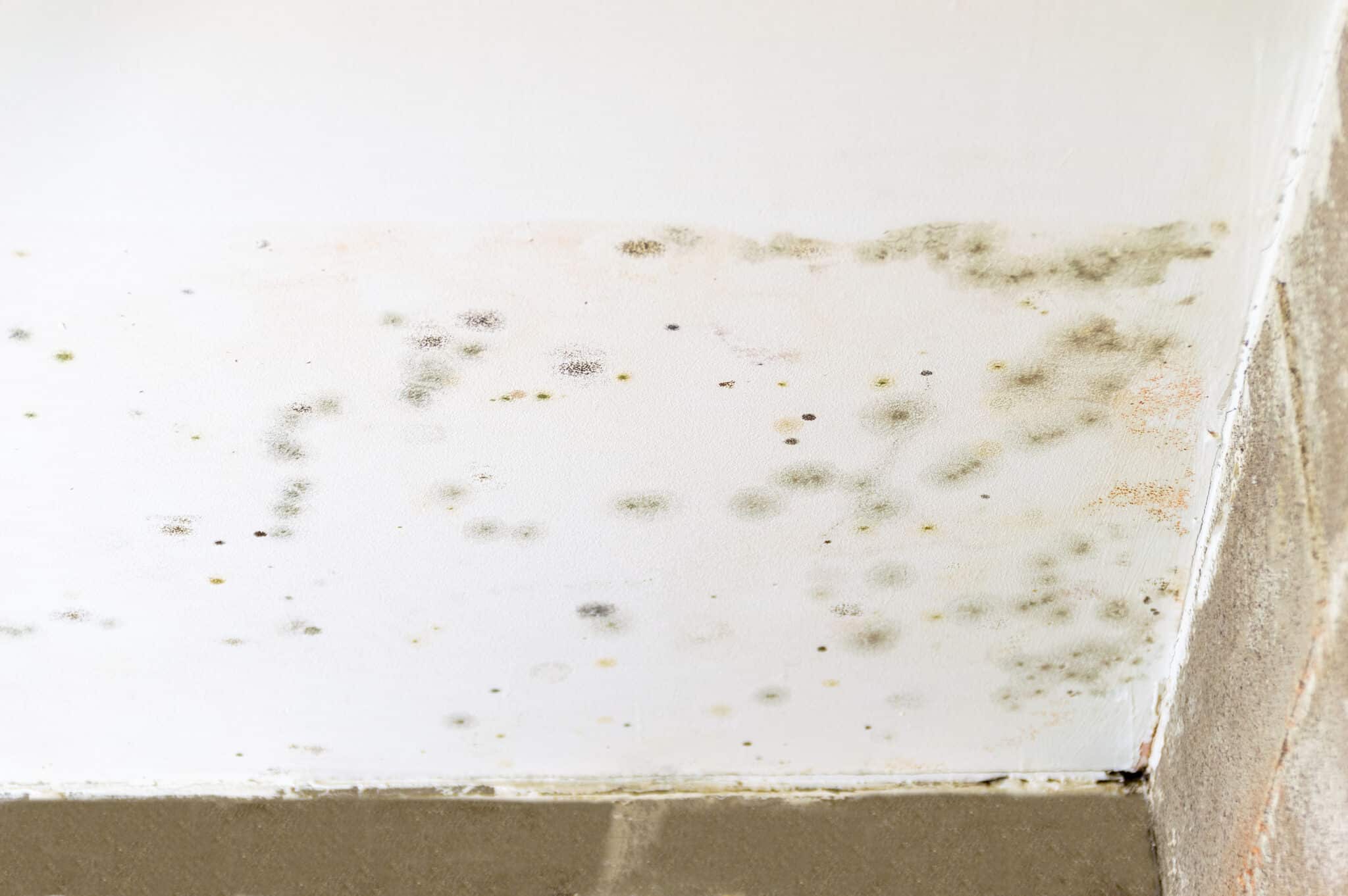
The hidden dangers of undetected water line leaks extend beyond the immediate damage to pipes and property. They can lead to mold growth, which poses health risks to inhabitants, and compromise the structural stability of a building. In coastal communities like Pacific Beach, CA, the moist environment can exacerbate these issues, making early detection even more critical.
Protecting your home, plumbing system, and long-term structural stability starts with awareness and action. By understanding the risks associated with undetected water line leaks, homeowners can take steps to monitor their plumbing system and address issues promptly. This vigilance not only preserves the safety and comfort of your living space but also ensures the longevity and value of your property in the vibrant San Diego area.
The Basics of Water Line Leaks
Understanding the basics of water line leaks begins with knowing how they occur. Often, these leaks start small, due to factors like corrosion, high water pressure, or the natural wear and tear of plumbing materials. Over time, what starts as a minor drip can escalate into a significant problem, leading to undetected water line leaks. Homeowners in Clairemont, CA, should be particularly vigilant, as the local water chemistry can accelerate pipe degradation.
Detecting these leaks early can be challenging, yet it’s essential for maintaining a home’s health. The first signs might include an unexplained increase in water bills, the sound of running water when all taps are off, or damp spots on walls and floors. For residents in Pacific Beach, CA, staying alert to these signs is crucial given the area’s proximity to the ocean, which can compound moisture-related issues. Regular inspections can help catch leaks before they cause major damage.
Taking preventive measures is key to avoiding the consequences of undetected water line leaks. Homeowners can install water leak detection systems, regularly check their water pressure, and have their plumbing inspected by professionals. These steps not only protect against leaks but also extend the lifespan of plumbing systems. By being proactive, residents can safeguard their homes against unexpected disruptions and expenses.
Finally, addressing undetected water line leaks promptly can save homeowners a significant amount of time and money. It prevents the need for extensive repairs and maintains the structural integrity of the property. Early intervention also mitigates the risk of mold and water damage, which are costly to remediate. For San Diego homeowners, understanding and acting on the basics of water line leaks is a smart investment in their property’s future.
Identifying Undetected Water Line Leaks
Identifying undetected water line leaks requires a keen eye and attention to detail. Homeowners can start by monitoring their water usage closely. If you notice a sudden spike in your water bill without an increase in usage, it might signal a leak. This is especially true in Clairemont, CA, where even small leaks can lead to significant water loss over time.
Another method involves listening for the sound of running water when all taps are off. This can be a clear indicator of a leak within your walls or under your foundation. Residents of Pacific Beach, CA, should also be on the lookout for damp spots on floors or walls, which can suggest the presence of hidden moisture from leaks.
Regular maintenance checks are essential for catching leaks early. Homeowners should inspect exposed pipes for signs of corrosion or damage and keep an eye on the water meter for unusual changes. Such proactive steps can help prevent the escalation of undetected water line leaks into more severe problems.
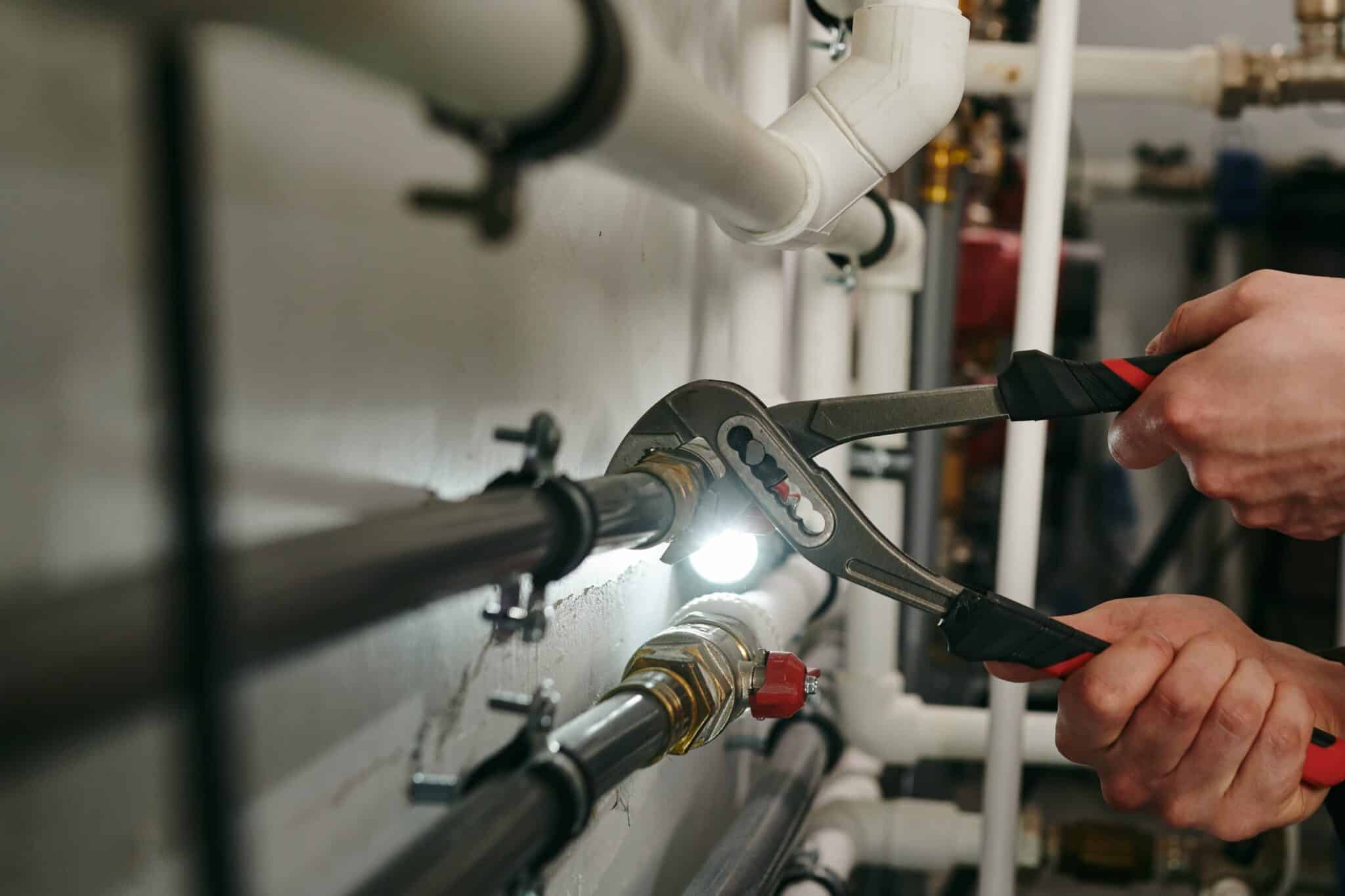
Finally, professional inspections play a crucial role in identifying leaks that are not easily detectable. Experts use specialized equipment to listen for leaks behind walls and underground. By scheduling regular inspections, homeowners can ensure their plumbing system remains in top condition, safeguarding their property against the hidden dangers of undetected water line leaks.
The Impact on Water Bills and Usage
Undetected water line leaks can sneakily drive up water bills, often without homeowners realizing the source of the increase. In Clairemont, CA, residents might notice their monthly expenses creeping higher, a telltale sign of hidden leaks. Timely identification and repair of these leaks can halt this financial drain. It ensures that hard-earned money is not wasted on unseen water loss.
In Pacific Beach, CA, the impact on water usage is equally concerning. A small, undetected leak can waste thousands of gallons of water annually, contributing to environmental stress. By addressing leaks promptly, homeowners contribute to water conservation efforts. This action not only saves money but also supports the community’s sustainability goals.
The cumulative effect of undetected water line leaks over time can be staggering. Increased water usage not only inflates bills but also places unnecessary strain on the home’s plumbing system. Regular monitoring of water usage can help detect anomalies that may indicate leaks. Taking swift action to fix these issues can prevent the problem from escalating, preserving both the plumbing system and the homeowner’s budget.
Finally, understanding the broader implications of unchecked water loss is crucial. It’s not just about the immediate cost or the environmental impact, it’s also about maintaining the home’s overall efficiency and functionality. Homeowners who stay vigilant against undetected water line leaks protect their investment. They ensure their home remains a comfortable and cost-effective place to live.
Undetected water line leaks pose a significant risk not only to a home’s plumbing system but also to its foundation and overall structural integrity. In Clairemont, CA, the soil composition can change when water from leaks seeps into the ground, leading to shifts and settling of the foundation. This gradual movement may not be immediately noticeable, but over time, it can cause cracks in walls and floors, indicating deeper structural issues. Early detection and repair of these leaks can prevent such damage, preserving the home’s stability and safety.
In Pacific Beach, CA, the proximity to the ocean means that homes are already exposed to a moist environment. When undetected water line leaks add to this moisture, the risk of foundation damage increases. The excess water can erode the soil underneath the foundation, making it uneven and compromising the home’s structural integrity. Addressing leaks early helps maintain the foundation’s strength, ensuring the home remains safe and secure for its inhabitants.
The impact of undetected water line leaks extends beyond immediate water damage to include long-term risks to property value. Homes with a history of plumbing issues and foundation problems are often less appealing to buyers, leading to decreased property values. By identifying and fixing leaks promptly, homeowners protect their investment and maintain their property’s market value. This proactive approach is essential for anyone looking to preserve their home’s worth in the competitive real estate market.
Finally, the stability of a home’s foundation is crucial for its longevity and the safety of those living within. Undetected water line leaks, if left unaddressed, can lead to significant and costly repairs down the line. Regular inspections and maintenance can catch these issues before they escalate, saving homeowners time and money. In doing so, residents ensure their home remains a comfortable and stable environment, free from the hidden dangers of water damage.
How Undetected Water Line Leaks Affect Property Value
Undetected water line leaks can significantly undermine a home’s market value, a concern for any homeowner. In Clairemont, CA, potential buyers often scrutinize a property’s plumbing history, wary of the costs associated with past leaks. A well-maintained home, free from such issues, stands out in the real estate market. Addressing leaks promptly not only preserves the property’s condition but also its appeal to prospective buyers.
In Pacific Beach, CA, the real estate market is competitive, making it crucial to maintain every aspect of a property’s value. Undetected water line leaks, if ignored, can lead to disclosures that deter buyers, affecting sale prices. By ensuring plumbing systems are leak-free, sellers can command higher prices. This proactive approach demonstrates to buyers the care invested in the property’s upkeep.
The impact of undetected water line leaks on property value extends beyond immediate repair costs. These leaks can cause unseen damage over time, which may result in extensive and expensive remediation efforts. Homeowners who invest in regular inspections and address leaks early avoid such pitfalls. This diligence not only protects the home’s value but also its attractiveness to future buyers.
Finally, the assurance of a leak-free home contributes to a positive buying experience. When buyers know that a property in Clairemont or Pacific Beach, CA, is well-maintained and free from undetected water line leaks, their confidence in the purchase increases. This confidence can translate into a willingness to meet or exceed asking prices, benefiting sellers. Thus, addressing leaks not only protects the home but also enhances its financial value in the market.
Taking proactive steps to prevent undetected water line leaks can save homeowners in Clairemont, CA, from unforeseen troubles and expenses. Installing water leak detection systems is a smart move, as these devices can alert you to the presence of moisture before it causes significant damage. Regularly checking for signs of moisture or damage around the house can also help catch leaks early. By staying vigilant, residents can protect their homes from the potential havoc that undetected water line leaks may wreak.
In Pacific Beach, CA, where the coastal environment can accelerate the effects of leaks, it’s important to maintain a routine plumbing inspection schedule. Professional plumbers have the tools and expertise to spot potential problems that homeowners might miss. These inspections can identify weak points in the plumbing system that could become sources of leaks. Acting on these professional recommendations can prevent undetected water line leaks from developing.
Another effective measure is to monitor your water bill closely for any unexplained increases. A sudden spike in water usage often signals a leak, even if you haven’t noticed any physical signs of water damage. This approach requires minimal effort but can be highly effective in early leak detection. Residents who keep an eye on their water usage can catch and address leaks before they escalate into larger issues.
Lastly, educating yourself about the common causes and signs of water leaks can empower you to act swiftly should a problem arise. Knowledge is a powerful tool in the fight against undetected water line leaks. Understanding what to look for and how to respond can make all the difference in protecting your home. With this knowledge, homeowners can ensure their properties remain safe, dry, and free from the hidden dangers of water leaks.
Solutions for Undetected Water Line Leaks
Addressing undetected water line leaks requires a comprehensive approach that begins with utilizing advanced technology. Homeowners can invest in smart water monitoring systems that continuously check for leaks and unusual water usage patterns. These systems send real-time alerts, enabling prompt action to mitigate potential damage. This proactive step ensures homes in Clairemont, CA, remain safe from the perils of water damage.
Routine maintenance and inspection of plumbing systems play a crucial role in preventing undetected water line leaks. Scheduling regular check-ups with a professional plumber can identify and fix minor issues before they escalate. These experts use specialized equipment to detect leaks hidden from the naked eye, safeguarding homes in Pacific Beach, CA, against unexpected plumbing failures.
Educating homeowners about the importance of conserving water and monitoring their usage can also help in identifying leaks early. Simple habits, such as regularly checking under sinks and around appliances for signs of moisture, can reveal hidden leaks. By staying informed and vigilant, residents can prevent the wasteful loss of water and avoid the damage leaks can cause.
Finally, understanding the landscape and environmental factors that might influence plumbing integrity is essential. In areas prone to shifting soils or extreme weather, additional precautions may be necessary to protect against leaks. Homeowners can consult with plumbing professionals to tailor solutions that best fit their home’s specific needs, ensuring long-term protection against undetected water line leaks.
Professional Help vs. DIY for Leak Detection
When it comes to detecting undetected water line leaks, the debate often centers on whether to seek professional help or attempt a DIY approach. For homeowners in Clairemont, CA, the complexity of their plumbing system might make DIY efforts challenging. Professionals bring specialized equipment and expertise that can accurately pinpoint leaks without extensive disruption. This accuracy is crucial in preventing further damage and ensuring a thorough resolution.
On the other hand, some residents of Pacific Beach, CA, might prefer a hands-on approach for minor leaks. Basic leak detection methods, such as monitoring water usage or inspecting visible pipes, can be effective for early signs of trouble. However, without the right tools, these efforts may miss deeper issues. It’s important to weigh the potential savings against the risk of unresolved leaks escalating into bigger problems.
Ultimately, the decision between professional help and DIY depends on the situation’s specifics. If the signs of undetected water line leaks are subtle, or if the homeowner lacks plumbing knowledge, calling in a professional is advisable. Experts can assess the severity of the leak, offer a precise diagnosis, and recommend the best course of action. This peace of mind can be invaluable, saving time and money in the long run.
Regardless of the chosen path, the key is not to ignore the signs of undetected water line leaks. Whether through professional services or diligent DIY efforts, addressing leaks promptly can protect a home’s structure, preserve its value, and ensure a safe environment. Residents in both Clairemont and Pacific Beach, CA, benefit from taking proactive steps to safeguard their homes against the hidden dangers of water leaks.
Frequently Asked Questions
What are signs of water line leaks?
Signs of water line leaks include unexpected increases in your water bill, damp spots on floors or walls, and a constant sound of running water. You might also notice a drop in water pressure throughout your home. These indicators suggest hidden leaks that could be damaging your property. Early detection and repair can save your home from more serious issues.
How do undetected water line leaks cause damage?
Undetected water line leaks slowly harm your home’s structure and plumbing system. Over time, they lead to mold growth and weaken building materials. This damage can decrease your property’s value and cost you in repairs. Catching these leaks early helps maintain your home’s integrity and safety.
Can water line leaks affect water pressure?
Yes, water line leaks can lead to a noticeable drop in water pressure. This happens because the leaked water reduces the overall amount available for use. You might find showers less powerful or faucets trickling weakly. Fixing leaks early can restore your home’s water pressure and prevent further issues.
What are the health risks of undetected water line leaks?
Undetected water line leaks create damp environments, ideal for mold and mildew to thrive. These fungi can cause respiratory issues and allergies in many people. Prolonged exposure to mold spores might worsen asthma or lead to other health problems. Fixing leaks promptly can safeguard your family’s health and well-being.
How can I prevent undetected water line leaks?
To prevent undetected water line leaks, regularly check your plumbing for signs of wear and tear. Installing water sensors in key areas can alert you to leaks early on. It’s also wise to have a professional inspect your system annually. These steps will help protect your home from the hidden dangers of leaks.
How Cold Groundwater Affects Water Heater Performance
How Cold Groundwater Affects Water Heater Performance
In San Diego, CA, homeowners often overlook the impact of cold groundwater on their water heating systems. As temperatures drop, the cold groundwater can significantly affect the performance and efficiency of water heaters. This change is especially noticeable during the colder months, when the demand for hot water in homes increases. Understanding this dynamic is crucial for maintaining comfort and managing energy costs.
Cold groundwater requires your water heater to work harder, which can lead to increased energy consumption. In cities like Poway, CA, where winter temperatures can cause a noticeable drop in groundwater temperature, this effect is even more pronounced. This can result in longer heating times and higher utility bills, a concern for many households aiming for energy efficiency. Recognizing the influence of cold groundwater is the first step toward addressing these challenges.
Furthermore, the efficiency of water heaters in transforming cold groundwater into hot water directly impacts household comfort. When the incoming water is colder, it takes longer to reach the desired temperature. This not only tests the patience of residents eager for a warm shower but also strains the water heating system over time. Consequently, the lifespan of water heaters in areas with colder groundwater may be shorter than expected.
Lastly, the performance of water heaters amidst colder groundwater conditions highlights the importance of being prepared. Homeowners in San Diego and Poway can benefit from understanding how cold groundwater affects their systems. This knowledge empowers them to take proactive measures, ensuring their households remain comfortable and their energy bills manageable, regardless of the season.
Understanding Cold Groundwater Basics
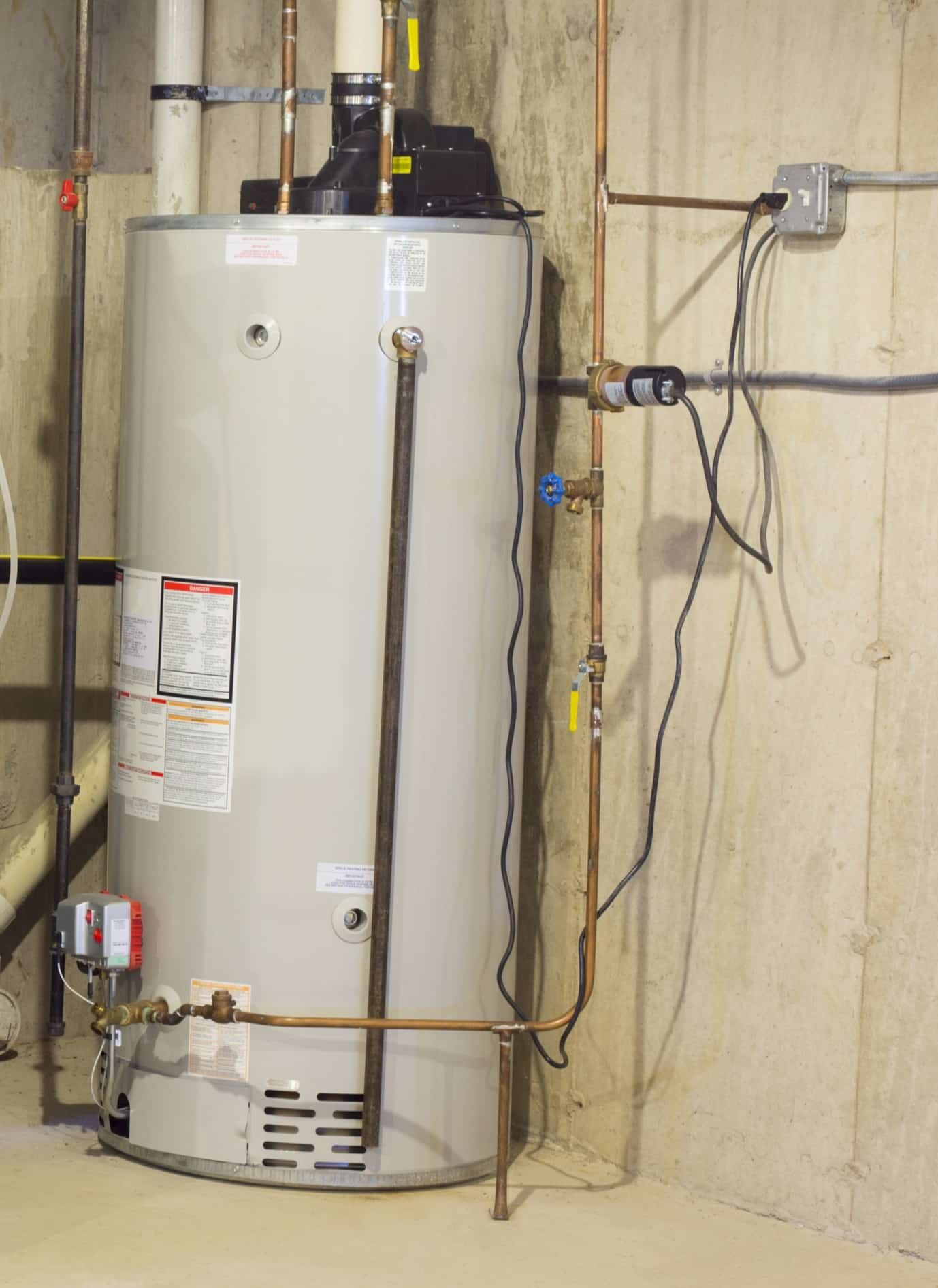
To grasp the full impact of cold groundwater on water heater performance, it’s essential to understand the basics of how water heaters operate. Essentially, these devices take in groundwater, heat it to a set temperature, and then distribute it throughout your home for various uses. In warmer climates, like San Diego, CA, the difference between the groundwater temperature and the desired hot water temperature is generally smaller. This means water heaters require less energy to bridge the temperature gap.
However, during colder seasons, the temperature of the incoming groundwater can drop significantly. This colder water, found in places like Poway, CA, during winter, forces water heaters to expend more energy and operate for longer periods. The increased energy use is not just about higher bills, it’s also a matter of sustainability. Homes aiming for energy efficiency need to consider the effects of cold groundwater on their systems.
Moreover, the time it takes for water to heat up to the desired temperature increases as the groundwater gets colder. This delay can be frustrating for residents waiting for a hot shower and can also signal that the water heater is under more stress than usual. Over time, this added strain can reduce the overall lifespan of the appliance, making early replacements more likely.
Understanding these basics helps homeowners recognize the importance of preparing for the colder months. Simple steps, such as insulating water pipes or considering water heater upgrades, can mitigate the effects of cold groundwater. By addressing these challenges proactively, households in San Diego and Poway can enjoy consistent comfort and manage their energy costs effectively, regardless of the season.
How Cold Groundwater Impacts Heating Time
Cold groundwater significantly impacts the time it takes for water heaters to warm up water, especially noticeable in colder seasons. In San Diego, CA, homeowners may find their morning routines delayed as they wait longer for hot water. This is because the water heater must work harder and longer to increase the water temperature to a comfortable level. As a result, not only does the wait time for hot water increase, but so does the energy consumption.
The effect of cold groundwater on heating time is more acute in areas like Poway, CA, where winter temperatures can drop significantly. Here, the gap between the groundwater temperature and the desired hot water temperature widens, requiring even more energy. This increased demand on the water heater can lead to wear and tear over time, potentially shortening its lifespan. Consequently, residents may face more frequent maintenance or replacement issues.
Adapting to the challenges posed by cold groundwater involves understanding its impact on water heating systems. Homeowners can take measures such as insulating their water pipes to reduce heat loss and improve efficiency. Such steps help in mitigating the prolonged heating time caused by cold groundwater. By doing so, they not only enhance their comfort but also contribute to the sustainability of their home’s energy use.
Ultimately, the key to managing the effects of cold groundwater lies in preparation and awareness. By recognizing the potential delays in heating time during colder months, homeowners can plan accordingly. Whether it’s adjusting morning routines or upgrading water heating systems, small changes can make a big difference. This proactive approach ensures that households in San Diego and Poway maintain their comfort while keeping energy costs in check.
The Science Behind Water Heaters and Cold Groundwater
Understanding the science behind water heaters and cold groundwater sheds light on why water heating systems in areas like San Diego, CA, face increased demands during colder months. When cold groundwater enters the system, the water heater must expend more energy to raise its temperature to the set level. This process is less energy-efficient and takes more time, highlighting the need for systems that can efficiently manage colder water. Such knowledge helps homeowners appreciate the complexity of heating cold groundwater and the importance of efficient water heater operation.
In regions experiencing significant drops in groundwater temperature, like Poway, CA, the challenge becomes more pronounced. The water heater’s task is to compensate for the larger temperature difference, requiring it to work even harder. This not only increases energy consumption but also puts additional strain on the water heater, potentially reducing its lifespan. Being aware of these dynamics allows homeowners to consider solutions that can mitigate these effects, such as system upgrades or maintenance checks.
Innovations in water heating technology offer promising solutions to the challenges posed by cold groundwater. Modern water heaters are designed with efficiency in mind, capable of heating water more quickly and with less energy, even when the incoming water is very cold. These advancements mean that homeowners have options to enhance their system’s performance, ensuring that the demand for hot water is met without undue delay or excessive energy use.
Ultimately, the relationship between cold groundwater and water heater performance underscores the importance of choosing the right system for your home. By understanding how cold groundwater affects heating efficiency and time, homeowners can make informed decisions about their water heating needs. This proactive approach not only improves household comfort but also contributes to energy conservation, making it a win-win for both the environment and residents.
Energy Efficiency and Cold Groundwater Challenges
Cold groundwater presents a unique challenge to energy efficiency in water heaters. As the temperature of the incoming water drops, the energy required to heat it to a comfortable level increases. This is particularly noticeable in areas like San Diego, CA, where homeowners might not be accustomed to the drastic changes in groundwater temperature during the colder months. Consequently, this can lead to higher energy consumption, underscoring the need for efficient water heating solutions.
In response to these challenges, many seek ways to enhance their water heater’s efficiency. Insulating water pipes is a straightforward yet effective strategy to reduce heat loss as water travels from the heater to the tap. Additionally, residents of Poway, CA, might consider periodic maintenance checks to ensure their system is operating at peak efficiency. These steps can significantly mitigate the impact of cold groundwater on energy consumption.
Moreover, the adoption of advanced water heating technologies offers a promising solution. Modern systems are designed to be more efficient, capable of heating water quickly despite the lower temperatures of cold groundwater. This innovation ensures that households can enjoy the comfort of hot water without the burden of excessive energy bills. It’s a testament to how technology can adapt to meet the challenges posed by natural conditions like cold groundwater.
Ultimately, understanding the relationship between cold groundwater and water heater efficiency is crucial for homeowners looking to manage their energy use effectively. By taking proactive measures, such as upgrading to more efficient systems and implementing simple improvements like pipe insulation, they can overcome these challenges. This not only leads to a more comfortable home environment but also contributes to broader energy conservation efforts, benefiting everyone in the long run.
Strategies to Mitigate Cold Groundwater Effects
Adopting strategies to counteract the effects of cold groundwater on water heaters is essential for maintaining energy efficiency and household comfort. One effective method is installing tankless water heaters. Unlike traditional models, tankless units heat water on demand, significantly reducing the energy wasted in heating large volumes of water. This approach is particularly beneficial in San Diego, CA, where the difference in temperature between cold groundwater and hot water needs is substantial.
Another practical strategy involves the use of water heater blankets. These specially designed blankets wrap around the water heater, providing an additional layer of insulation. This simple yet effective solution helps retain heat within the unit, making it easier and quicker for the water to reach the desired temperature. Homeowners in Poway, CA, will find this an affordable way to enhance their system’s efficiency, especially during the colder months when the impact of cold groundwater is most noticeable.
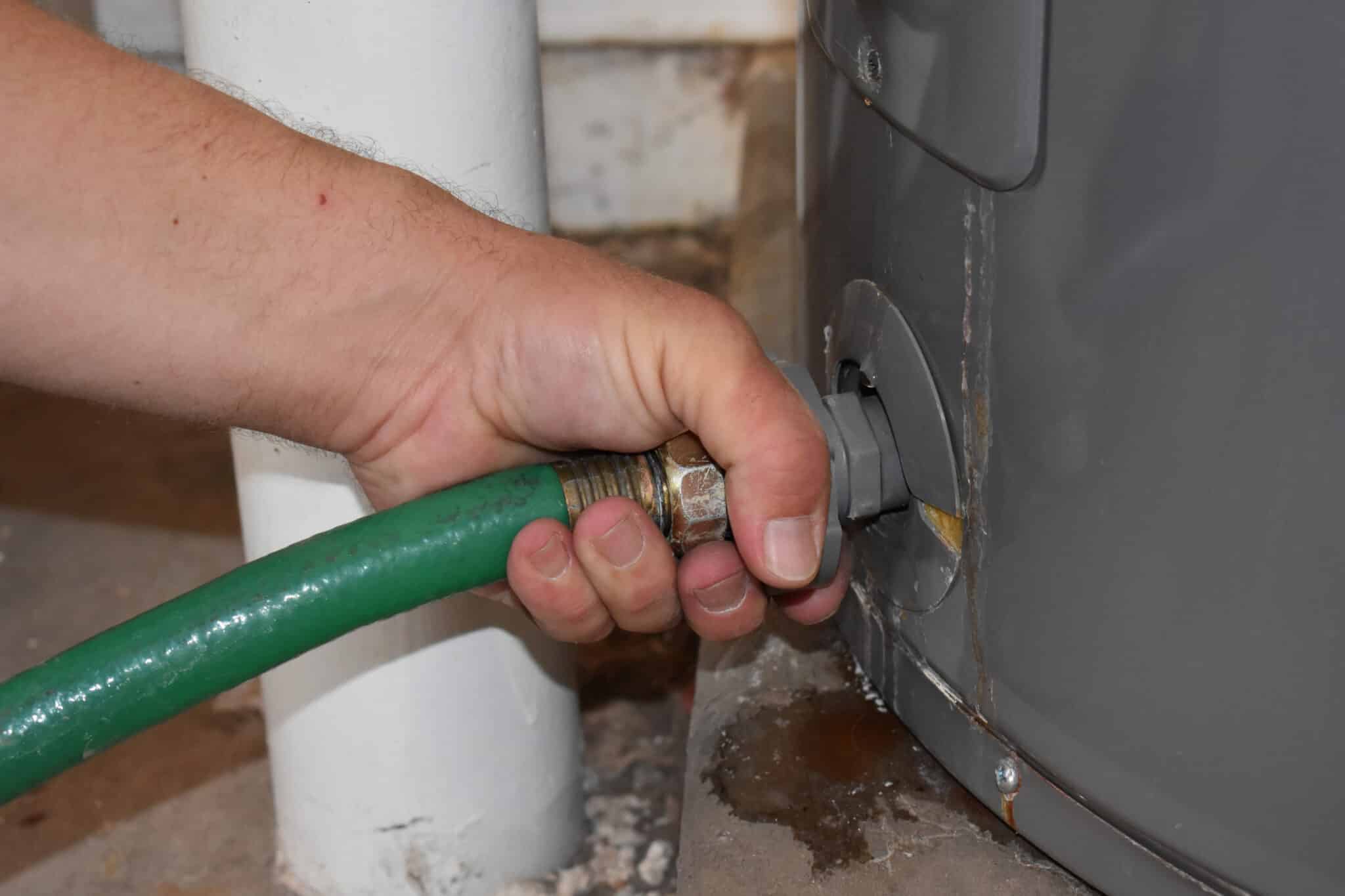
Regular maintenance checks also play a crucial role in mitigating the effects of cold groundwater. By ensuring that the water heating system is in optimal condition, homeowners can prevent potential issues before they escalate into costly repairs. This includes checking for any signs of wear and tear, as well as flushing the system to remove sediment buildup, which can affect the heater’s performance and efficiency.
Lastly, upgrading to more energy-efficient models is a forward-thinking solution for dealing with cold groundwater. New water heaters come with advanced features designed to handle lower incoming water temperatures more effectively. Investing in such technologies not only reduces the strain on the system caused by cold groundwater but also contributes to long-term savings on energy bills, making it a wise choice for residents looking to improve their home’s energy efficiency.
Insulation Techniques for Enhanced Performance
When it comes to tackling the challenges posed by cold groundwater, incorporating insulation techniques can significantly boost a water heater’s performance. In San Diego, CA, homeowners can benefit from insulating their hot water pipes. This method effectively reduces heat loss as water moves through the system, ensuring that less energy is required to maintain the desired temperature. Such a straightforward adjustment can make a noticeable difference in both energy consumption and comfort levels during colder months.
Another impactful insulation strategy involves the water heater tank itself. For those residing in Poway, CA, adding an insulation blanket around the water heater tank can be a game-changer. This extra layer of insulation helps maintain the water’s heat, reducing the need for the system to continuously reheat the water. It’s a cost-effective solution that addresses the direct impact of cold groundwater by keeping the water warmer for longer periods.
Beyond external insulation, considering the installation of anti-condensation liners for both the water heater and pipes offers an additional defense against cold groundwater. These liners prevent the formation of condensation, which can lead to heat loss and inefficiency. By keeping the system dry and insulated, homeowners can enhance the overall efficiency of their water heating system, ensuring it operates smoothly even when faced with colder groundwater temperatures.
Lastly, integrating smart technology into water heating systems presents a modern solution to the age-old problem of cold groundwater. Smart thermostats and self-regulating heating elements can automatically adjust the energy output based on the temperature of the incoming water. This means that the system uses only the necessary amount of energy to achieve the desired water temperature, optimizing performance and minimizing waste. Adopting these advanced insulation and technology measures can lead to significant improvements in water heater efficiency and household comfort.
As the seasons change, so does the temperature of the cold groundwater, making it crucial for residents in San Diego, CA, to adapt their water heater maintenance routines. During colder months, inspecting your water heater for any signs of wear or damage becomes even more important. This regular check-up can identify potential issues early, preventing the cold groundwater from causing unnecessary strain on your system. Ensuring your water heater is in top condition can significantly improve its efficiency and longevity.
In Poway, CA, flushing the water heater at least once a year is a recommended practice to combat the effects of cold groundwater. Sediment buildup in the tank can insulate the water from the heater’s burners, making it harder to warm up the cold groundwater. A simple flush can clear out this sediment, allowing your water heater to heat water more efficiently. This maintenance step is especially beneficial before entering the winter season, preparing your system to face the colder groundwater head-on.
Adjusting the temperature setting on your water heater can also make a big difference in how well it copes with cold groundwater. Lowering the temperature in the summer and raising it slightly in the winter can help your system manage the temperature of the incoming water more effectively. This adjustment ensures that your water heater does not overwork itself, maintaining a balance between energy efficiency and comfort. It’s a simple tweak that can yield noticeable savings on your energy bills.
Lastly, considering the installation of a water heater timer can offer a smart solution to managing the demand on your system caused by cold groundwater. By setting the timer to warm up your water just before peak usage times, you can ensure that your water heater operates more efficiently. This approach not only reduces the energy consumption but also prevents the system from constant cycling, which is often exacerbated by the colder groundwater temperatures. Implementing these seasonal maintenance tips can help your water heater perform optimally all year round.
Evaluating Water Heater Options for Cold Climates
When evaluating water heater options for cold climates, understanding the impact of cold groundwater becomes pivotal. In San Diego, CA, selecting a water heater that’s designed to efficiently manage colder incoming water can lead to significant energy savings. Homeowners should look for models with high energy ratings and advanced features like built-in insulation. These systems are better equipped to handle the challenges posed by cold groundwater, ensuring consistent hot water supply.
In areas like Poway, CA, where the groundwater temperature can drop considerably, opting for a water heater with a rapid recovery rate is advisable. Such units are capable of quickly heating up cold groundwater, minimizing the wait time for hot water. This feature is particularly beneficial during peak usage times, helping to maintain household comfort without sacrificing energy efficiency. Rapid recovery water heaters provide a practical solution to the demands of colder climates.
Another aspect to consider is the capacity of the water heater. Larger units may seem like a good choice to combat cold groundwater, but they can also lead to unnecessary energy consumption. Instead, calculating the household’s hot water needs and selecting a size that matches those requirements can optimize performance. This approach ensures that the water heater operates efficiently, even when faced with colder groundwater temperatures.
Lastly, integrating smart technology into the water heater system offers a modern way to enhance efficiency in cold climates. Smart water heaters can adjust heating elements based on the temperature of the incoming groundwater, optimizing energy use. Such technology allows for precise control over water heating processes, adapting to the specific challenges presented by cold groundwater. By choosing a water heater with these advanced capabilities, homeowners in cold climates can enjoy both comfort and efficiency.
Frequently Asked Questions
What is cold groundwater?
Cold groundwater is water found beneath the earth’s surface that remains cool year-round. This water enters our homes for various uses, including bathing and cooking. During colder months, its temperature drops further, impacting water heaters. This change requires heaters to work harder, affecting both energy efficiency and household comfort.
How does cold groundwater impact heating costs?
Cold groundwater makes water heaters work harder to reach desired temperatures. This increased effort boosts energy use, leading to higher heating costs. Especially in colder months, the effect on your bills can be significant. Keeping your system efficient helps mitigate these impacts, ensuring comfort without overspending.
Can water heaters adjust to cold groundwater?
Water heaters are designed to adapt to varying temperatures, including cold groundwater. By automatically increasing their heating action, they ensure water reaches the set warmth. However, this adjustment can lead to more energy use. Regular maintenance helps them stay efficient despite these challenges.
What are signs of water heater strain?
If your water heater struggles with cold groundwater, you might notice a few key signs. First, it may take longer for your water to get hot, delaying showers and chores. You could also hear unusual noises, like banging or rumbling, from the heater working overtime. Lastly, an increase in your energy bills indicates the system is using more power to combat the cold. Keeping an eye out for these symptoms can help you address issues promptly.
How to improve water heater efficiency?
Improving your water heater’s efficiency starts with regular maintenance, such as flushing out sediment buildup. Wrapping it in an insulation blanket helps retain heat, reducing the effort needed to warm cold groundwater. Lowering the thermostat setting can also decrease energy use without sacrificing comfort. Lastly, installing low-flow fixtures in showers and sinks minimizes hot water use, easing the load on your heater.
Warning Signs of Water Contamination in Homes
Warning Signs of Water Contamination in Homes
Water contamination is a growing concern for homeowners in San Diego, CA, and beyond. It’s not just about the water’s taste or appearance, it’s about the safety and health of your family. Recognizing the warning signs of water contamination early can prevent health issues and ensure your water supply remains clean and safe. From unusual tastes to strange odors, being vigilant is key to maintaining the quality of your household water.
In areas like Del Cerro, CA, the signs of water contamination can be subtle but significant. Cloudy water, for example, is not just an aesthetic issue but a potential indicator of harmful contaminants lurking in your supply. Similarly, stains on fixtures are not just a cleaning hassle but a warning bell for underlying water quality problems. Understanding these signs is the first step toward addressing water contamination effectively.
Regular water testing is an essential practice for every homeowner concerned about water contamination. It’s not just about identifying current problems but also about preventing future issues. By keeping an eye on the quality of your water, you can make informed decisions about necessary interventions, like pipe inspections or installing filtration systems. This proactive approach ensures the safety and cleanliness of your water, protecting your family’s health.
Moreover, installing a filtration system can be a game-changer for households in San Diego and Del Cerro. It’s not just about improving the taste and odor of your water, it’s about removing contaminants that could pose health risks. With the right system in place, you can enjoy cleaner, safer water every day. Taking these steps toward better water quality is not just beneficial, it’s essential for a healthy home environment.
Identifying Water Contamination in Your Home
Identifying water contamination in your home starts with paying attention to the water’s taste. If you notice a sudden change, it might mean contaminants are present. This is especially true if the water starts tasting metallic, salty, or like chemicals. Residents of San Diego, CA, should take such changes seriously and consider them a red flag.
Strange odors emanating from your water are another clear sign that something isn’t right. A musty, earthy, or chlorine smell can indicate different types of contamination. This is not something homeowners should ignore. Prompt action is necessary to ensure the water is safe for use and consumption.
A cloudy appearance in your water is a visual clue that demands immediate attention. This can be a sign of suspended particles or microorganisms in the water. Such a condition not only affects the aesthetics of your water but also raises concerns about its safety. Del Cerro, CA, residents noticing cloudy water should see this as a prompt to investigate further.
Lastly, stains on fixtures can reveal a lot about the quality of your water. Blue-green stains suggest acidic water corroding your pipes, while reddish or brown stains might indicate iron content. These signs are not just cosmetic issues but indicators of potential water contamination. Addressing them swiftly can prevent more serious problems down the line.
The Health Risks of Water Contamination
Understanding the warning signs of water contamination is crucial, but it’s equally important to grasp the health risks associated with it. When contaminants infiltrate our water supply, they can pose serious health threats to residents of San Diego, CA. Drinking or using contaminated water can lead to gastrointestinal illnesses, reproductive problems, and neurological disorders. These risks underscore the importance of addressing water quality issues promptly to protect your family’s health.
Children, pregnant women, the elderly, and individuals with compromised immune systems are especially vulnerable to the effects of water contamination. In Del Cerro, CA, where families and communities thrive, ensuring water safety is paramount. Contaminants like lead, mercury, and bacteria can have devastating effects on development, pregnancy outcomes, and overall health. Taking steps to identify and eliminate these dangers can safeguard the well-being of the most susceptible among us.
Moreover, chronic exposure to contaminated water can contribute to more serious, long-term health conditions. Cancer, kidney failure, and liver damage are just a few of the potential outcomes of consuming water laced with harmful chemicals or heavy metals. This reality highlights the critical need for regular water testing and the implementation of appropriate filtration systems in homes. By doing so, residents can significantly reduce their risk of exposure to dangerous contaminants.
Finally, the peace of mind that comes from knowing your water is clean and safe cannot be overstated. While the immediate health risks of water contamination are alarming, the benefits of proactive water management extend beyond physical health. Ensuring your water supply in San Diego, CA, is free from contaminants supports a healthy, happy home environment. It allows families to focus on what truly matters, secure in the knowledge that their water is safe for every use.
Unusual Tastes: A Sign of Contaminated Water
When water starts to taste unusual, it’s often the first hint of water contamination in your home. Whether it’s a metallic, salty, or chemical flavor, these changes in taste are not to be ignored. Residents of San Diego, CA, experiencing these taste alterations should take immediate action. This proactive step can prevent the potential health risks associated with contaminated water.
Another indicator of water contamination is the emergence of strange odors from your tap water. Musty, earthy, or chlorine smells can signal the presence of various contaminants. Taking note of these odors and acting swiftly can protect your family’s health. It’s essential to address these signs without delay to ensure the safety of your home’s water supply.
Cloudy water is more than just an aesthetic issue, it’s a clear sign that your water may be contaminated. This condition suggests the presence of suspended particles or microorganisms. For residents of Del Cerro, CA, noticing a cloudy appearance in their water should prompt further investigation. Identifying the cause can help in taking the necessary steps to clear up the water.
Lastly, stains on fixtures offer valuable clues about the quality of your water. Blue-green stains indicate acidic water, while reddish or brown stains suggest iron content. Both are signs that your water might be contaminated and require immediate attention. Addressing these issues promptly can help maintain the quality and safety of your household water.
Strange odors in your home’s water supply can be alarming and are often a telltale sign of water contamination. When residents of San Diego, CA, notice a musty, earthy, or chlorine smell coming from their tap, it’s crucial to act quickly. These odors may indicate the presence of harmful microorganisms or chemical pollutants. Addressing this issue promptly can help ensure the water is safe for all household uses.
In Del Cerro, CA, the significance of detecting strange odors in water cannot be overstated. Such smells are not only unpleasant but also serve as a warning that the water may not be fit for consumption. Taking steps to investigate and rectify the source of these odors can protect your family from potential health risks. It’s an essential measure in maintaining the overall quality of your home’s water supply.
Understanding the source of these odors is key to addressing water contamination effectively. Whether it’s bacteria, metals, or chemicals, identifying the culprit is the first step towards remediation. Residents noticing these signs should consider having their water tested. This action can pinpoint the exact nature of the contamination and guide the necessary corrective measures.
Finally, the presence of strange odors in water is a clear indicator that something is amiss. It’s a call to action for homeowners to investigate and ensure their water supply remains clean and safe. By staying vigilant and responding to these warning signs, families in San Diego and Del Cerro can safeguard their health. Ensuring a contaminant-free water supply is paramount for a healthy home environment.
Cloudy Water and What It Means for Your Health
Cloudy water is more than a mere inconvenience, it’s a potential health hazard that demands attention. When residents of San Diego, CA, notice their water looks murky, it’s often a sign of water contamination. This condition, known as turbidity, can harbor harmful microorganisms and sediments. Acting swiftly to identify and address the cause is crucial for maintaining a safe water supply.
Understanding the implications of cloudy water goes beyond its unsettling appearance. It signifies that the water may contain bacteria, viruses, or parasites that pose serious health risks. For families in Del Cerro, CA, recognizing this sign can be the first step toward safeguarding their health. Ensuring the water is clear and free from contaminants is essential for a healthy home environment.
Investigating the root cause of cloudy water is key to resolving the issue effectively. It could stem from a variety of sources, such as disrupted sediment in pipes or issues with the municipal water supply. Residents noticing this issue should consider having their water tested. This approach helps pinpoint the contaminants present and guides the necessary steps to eliminate them.
Ultimately, addressing cloudy water promptly can prevent the adverse health effects associated with water contamination. It’s an important measure for protecting your family’s well-being. By staying vigilant and taking action at the first sign of trouble, homeowners can ensure their water remains clean and safe for consumption. Ensuring a contaminant-free water supply is a vital step toward maintaining a healthy and happy home.
How Stains on Fixtures Highlight Water Issues
Stains on fixtures in your home can serve as a clear warning sign of water contamination issues. When you see blue-green or reddish-brown stains around your taps or in your sinks, it’s not just an aesthetic problem. These stains suggest that your water in San Diego, CA, might contain corrosive acids or high levels of iron. Recognizing these signs early on can help you take steps to address the underlying water quality issues.
Addressing the root cause of these stains is crucial for maintaining a safe and healthy home environment. If acidic water is corroding your pipes, it could lead to leaks or introduce more harmful substances into your water supply. Similarly, in Del Cerro, CA, iron-rich water not only causes unsightly stains but can also affect the taste and overall safety of your water. Taking action to investigate and remedy these issues can protect your family’s health and your home’s plumbing.
Regular inspection and maintenance of your home’s plumbing system can prevent stains from appearing on fixtures. By keeping an eye out for early signs of corrosion or mineral buildup, you can avoid the complications associated with water contamination. This proactive approach ensures that the water flowing through your taps remains clean, safe, and free from contaminants that could harm your health.
Ultimately, the appearance of stains on fixtures is a call to action for homeowners. It highlights the importance of regular water testing and the potential need for a filtration system. By addressing these signs of water contamination promptly, you can ensure that your water supply supports a healthy, happy home environment. Taking these steps not only protects your family’s well-being but also preserves the integrity of your home’s plumbing infrastructure.
The Importance of Regular Water Testing
Understanding the risks associated with water contamination underscores the need for regular water testing in homes. Such testing is a critical step in identifying contaminants that might not be visible to the naked eye. For residents of San Diego, CA, taking this proactive measure can catch issues early, before they escalate into serious health concerns. Ensuring your water is tested regularly aids in maintaining its safety and purity, offering peace of mind about the water you and your family use daily.
Moreover, water testing plays a pivotal role in determining the effectiveness of any existing water filtration systems. It helps verify that the system is functioning as intended, removing harmful contaminants efficiently. This is particularly relevant for households in Del Cerro, CA, where water quality can vary. By validating the performance of filtration systems through testing, homeowners can be confident in the quality of their drinking water.
Additionally, the insights gained from regular water testing can guide homeowners in making informed decisions about necessary upgrades or changes to their water treatment solutions. If tests reveal new or increased levels of contamination, immediate action can be taken to address these issues. This proactive approach not only protects the home’s water supply but also contributes to the overall well-being of its occupants.
Lastly, regular water testing is a cornerstone of responsible homeownership. It not only ensures that your family has access to clean, safe water but also helps preserve the long-term health of your plumbing system. By identifying potential problems early, you can avoid costly repairs and maintain the integrity of your water supply. In essence, committing to routine water testing is an investment in your home’s health and your family’s safety.
Combatting water contamination requires a multifaceted approach, starting with education and awareness. Homeowners in San Diego, CA, can benefit from learning about the sources of water contamination and the ways to prevent them. Simple steps like disposing of chemicals properly and reducing plastic use can make a significant difference. By understanding the impact of their actions, individuals can contribute to cleaner water in their community.
Installing a home water filtration system is another effective strategy. These systems can remove a wide range of contaminants, ensuring the water you drink is safe. In Del Cerro, CA, where water quality might fluctuate, having a filtration system in place offers an extra layer of protection. It’s a proactive measure that addresses water contamination directly at the tap.
Regular maintenance of your home’s plumbing system also plays a crucial role in preventing water contamination. Ensuring pipes are in good condition and free from leaks prevents contaminants from entering your water supply. This step not only safeguards your health but also conserves water, supporting a sustainable environment. It’s a practical approach to keeping water pure and safe for consumption.
Finally, community involvement in local water management initiatives can lead to significant improvements in water quality. Participating in clean-up drives and advocating for stricter pollution controls can reduce water contamination sources. When communities in areas like San Diego and Del Cerro come together, they have a powerful voice in promoting policies that protect water resources. Collective action is key to ensuring long-term access to clean, safe water for all.
Frequently Asked Questions
What are common signs of water contamination?
Water contamination often reveals itself through a strange taste in your tap water. You might also notice odd smells or a cloudy appearance, signaling impurities. Stains on fixtures can indicate mineral deposits from contaminated sources. To keep your home safe, consider regular testing and filtration systems.
How can water contamination affect health?
Water contamination can lead to health issues, ranging from stomach discomfort to more serious conditions. Drinking or using contaminated water might cause skin irritations or allergic reactions. Children, the elderly, and those with weakened immune systems are particularly at risk. Ensuring water purity through testing and filtration can safeguard your family’s health.
What causes water contamination in homes?
Several factors can lead to water contamination in homes. Old or corroded pipes may release harmful metals into the water supply. Nearby industrial activities or agricultural runoff can introduce pollutants and chemicals. Regular maintenance and updates to home plumbing systems can help prevent such issues, ensuring safer water for all household uses.
How to test for water contamination?
To check for water contamination, you can use at-home testing kits available in most hardware stores. These kits can detect common pollutants like lead, pesticides, and bacteria. For a more thorough analysis, consider sending a water sample to a local laboratory. Regular testing helps ensure your water stays safe and clean, protecting your family’s health.
Can filters remove all water contamination?
Filters can significantly reduce many types of water contamination, but not all. They excel at removing particles, certain chemicals, and bacteria. However, some contaminants require specialized filtration systems. Always check the filter’s specifications to ensure it meets your needs for cleaner, safer water.
Toilet Supply Line Leak Prevention and Quick Fix Options
Toilet Supply Line Leak Prevention and Quick Fix Options
Discovering a toilet supply line leak in your San Diego, CA home can be a frustrating ordeal. It’s a common issue that residents face, often leading to unexpected water damage if not addressed promptly. Understanding the causes and knowing how to prevent such leaks can save homeowners time and money. This article aims to shed light on these aspects, providing valuable insights for quick fixes and long-term solutions.
When it comes to toilet supply line leaks, the choice between braided and PVC lines is crucial. Each type has its advantages and disadvantages, influencing their susceptibility to leaks. Braided lines are known for their durability and flexibility, while PVC options are cost-effective and easy to install. Making the right choice can significantly impact the likelihood of encountering a toilet supply line leak.
Preventive measures are key to avoiding the inconvenience of a toilet supply line leak. Regular inspections and maintenance can identify potential issues before they escalate. Homeowners in Poway, CA, and surrounding areas can benefit from being proactive, ensuring their plumbing systems remain in top condition. Simple steps can make a big difference in preventing leaks and the associated damages.
For those who find themselves dealing with a toilet supply line leak, knowing quick fix options can be a lifesaver. While some situations may require professional intervention, there are immediate actions that can minimize damage. From shutting off the water supply to replacing faulty components, being prepared can help manage the situation effectively until a permanent solution is implemented.
Understanding the Causes of Toilet Supply Line Leaks
Understanding the causes of a toilet supply line leak is essential for homeowners in San Diego, CA. Often, these leaks stem from wear and tear over time, leading to the deterioration of the supply line material. Factors such as water pressure fluctuations and corrosion can also contribute to the weakening of the line. Recognizing these causes early on can prevent a small issue from turning into a significant problem.
Choosing between braided and PVC supply lines is a critical decision that impacts the likelihood of leaks. Braided lines, with their superior flexibility, can better withstand water pressure changes and resist kinking, a common cause of leaks. On the other hand, PVC lines, while more affordable, may become brittle over time, especially in areas with varying temperatures like Poway, CA. This brittleness can increase the risk of cracking and, subsequently, leaking.
Preventive measures are invaluable in maintaining the integrity of your plumbing system. Regularly checking the condition of your toilet supply line can catch early signs of wear or damage. Homeowners should consider replacing their supply lines every 5-8 years, or immediately if signs of wear are evident. This proactive approach can save a lot of hassle and expense by preventing potential leaks before they occur.
For those unexpected moments when a leak does occur, knowing how to respond quickly can minimize water damage. Immediately shutting off the water supply to the toilet can prevent further leakage. Inspecting the supply line for visible damage can help identify whether a simple tightening of connections or a complete replacement is needed. Until professional help arrives or a permanent fix is applied, these quick actions can be crucial in managing a toilet supply line leak.
When it comes to preventing a toilet supply line leak, choosing the right type of supply line is crucial. Homeowners in San Diego, CA, often weigh the benefits between braided and PVC lines. Braided lines offer enhanced durability and flexibility, making them less prone to leaks caused by physical stress. On the other hand, PVC lines are appealing for their affordability and ease of installation, despite being more susceptible to temperature-related damage.
Understanding the specific advantages of braided supply lines can guide homeowners toward making an informed decision. These lines are designed to withstand high water pressure and resist kinks, which are common causes of leaks. Their stainless steel or nylon braiding adds an extra layer of protection against physical damage. This makes them an excellent choice for areas with fluctuating water pressure or where the supply line is exposed to movement.
Conversely, PVC supply lines have their own set of benefits that might suit different needs. They are particularly favored for their cost-effectiveness and straightforward installation process. However, homeowners should be aware that PVC lines can become brittle over time, especially in climates with wide temperature variations. Regular inspections are recommended to catch any signs of wear or damage early, preventing potential leaks.
In conclusion, both braided and PVC supply lines have their roles in preventing toilet supply line leaks. The choice between them should be based on a homeowner’s specific needs, considering factors like budget, climate, and the plumbing system’s layout. By selecting the appropriate type and conducting regular maintenance, residents of Poway, CA, and beyond can significantly reduce the risk of facing a disruptive toilet supply line leak.
Signs Your Toilet Supply Line Needs Attention
Spotting the signs that your toilet supply line needs attention can prevent a minor issue from escalating into a significant problem. If you notice water pooling around the base of your toilet or hear a hissing sound when the toilet is not in use, it’s time to investigate. These indicators often point towards a leak in the supply line, requiring immediate action. San Diego, CA, residents who catch these signs early can save themselves from the hassle and expense of water damage repairs.
Another telltale sign is a noticeable drop in water pressure when flushing the toilet, which could suggest a leak in the supply line. This symptom might be subtle at first but becomes more apparent as the leak worsens. Regularly checking for dampness or water stains on the walls or floor near your toilet can also reveal hidden leaks. Addressing these signs promptly can prevent the need for extensive plumbing repairs in Poway, CA.
Changes in water quality, such as rust-colored water coming from your toilet, can also indicate a problem with your toilet supply line. This issue often points to corrosion within the line, especially in older homes with metal pipes. Replacing corroded supply lines with newer, more durable materials can enhance the longevity of your plumbing system. Taking action at the first sign of water quality issues can protect your home from further damage.
Finally, an increase in your water bill without a corresponding increase in usage should raise a red flag. This unexpected spike can often be traced back to a leak in the toilet supply line. Homeowners should consider this a prompt to conduct a thorough inspection of their toilet’s plumbing. Catching and fixing a toilet supply line leak early can lead to significant savings on water bills and prevent unnecessary water waste.
Preventing Toilet Supply Line Leaks: Tips and Tricks
Preventing a toilet supply line leak requires a proactive approach, especially in homes across San Diego, CA. Regularly inspecting the supply line for any signs of wear or damage can catch issues before they escalate. Homeowners should also make it a habit to check for kinks or bends in the line that could lead to a breach. By taking these simple steps, the risk of leaks can be significantly minimized, safeguarding the home from potential water damage.
Another effective strategy is to install an emergency shutoff valve for the toilet. This addition allows homeowners to quickly cut off the water supply at the first sign of a leak, preventing further water from spilling out. It’s a straightforward measure that can save a lot of trouble, giving you time to address the issue without the stress of ongoing leakage. Incorporating this valve into your plumbing system offers peace of mind and an added layer of protection against water damage.
In areas like Poway, CA, where temperature fluctuations can affect plumbing, insulating your toilet supply line is a wise move. Insulation helps protect the line from extreme temperatures, reducing the risk of it becoming brittle and cracking over time. This is particularly important for PVC lines, which are more susceptible to temperature-related damage. A small investment in insulation can extend the life of your supply lines, ensuring they remain functional and leak-free for years to come.
Lastly, replacing old or outdated supply lines with new, high-quality materials can prevent future leaks. If your supply line is over five years old or made from materials prone to corrosion, consider upgrading to a braided or high-grade PVC line. These materials are more resistant to wear and can withstand the pressures of daily use better than older types. Regular updates to your plumbing system can keep it running smoothly, avoiding the inconvenience and expense of a toilet supply line leak.
Step-by-Step Guide to Fixing a Toilet Supply Line Leak
Discovering a toilet supply line leak in your home can be daunting, but with the right approach, you can fix it yourself. First, locate the shutoff valve near the toilet and turn it off to stop water flow. This immediate action prevents further water damage and gives you a clear area to work. Ensuring the water is off is crucial before proceeding to the next step.
Next, examine the supply line closely to identify the source of the leak. If the leak is at a connection point, tightening it with a wrench might be all that’s needed. For leaks in the line itself, removing the faulty section is necessary. Remember, wearing gloves and keeping a towel handy can help manage any residual water.
If replacement is required, measure the length of the line you need and head to your local hardware store. Opt for a braided or high-grade PVC line, as these materials offer durability and flexibility. When installing the new line, ensure the connections are secure but not overtightened, as this could cause new leaks. Double-checking your work can save you from future issues.
Finally, turn the water supply back on and observe the repaired area for any signs of leakage. If everything remains dry, you’ve successfully fixed the toilet supply line leak. Regular maintenance and prompt action at the first sign of trouble can prevent leaks from happening again. Remember, residents in San Diego, CA, and Poway, CA, face unique plumbing challenges, so staying proactive is key to avoiding plumbing problems.
The Role of Professional Plumbers in Leak Prevention
While tackling a toilet supply line leak may seem straightforward, the expertise of professional plumbers plays a crucial role in ensuring long-term solutions. These experts bring a wealth of experience to diagnose underlying issues that might not be immediately apparent to homeowners. In San Diego, CA, where local water quality and pressure can vary, a professional’s insight can prevent recurring problems. Their ability to identify and fix not just the symptom but the cause of leaks makes their service invaluable.
Professional plumbers also offer preventive maintenance services that can save homeowners from future headaches. Regular inspections by a trained eye can spot potential problems before they escalate into a full-blown toilet supply line leak. In areas like Poway, CA, where environmental factors can affect plumbing, this preventive approach is particularly beneficial. It ensures that supply lines remain in optimal condition, reducing the risk of unexpected leaks.
Moreover, when it comes to choosing between braided and PVC supply lines, professional plumbers can offer personalized advice based on a home’s specific needs. Their recommendations take into account factors such as local water conditions, the age of the plumbing system, and the household’s water usage patterns. This tailored advice helps homeowners make informed decisions, selecting materials that offer both durability and cost-effectiveness.
Lastly, in the event of a leak, professional plumbers can implement quick fixes that stand the test of time. Unlike temporary solutions that might fail under pressure, the repairs made by professionals ensure that the same issue doesn’t recur. Their use of high-quality materials and adherence to industry best practices not only fixes the toilet supply line leak but also enhances the overall integrity of the plumbing system.
When to Replace Your Toilet Supply Line
Knowing when to replace your toilet supply line is crucial in preventing a toilet supply line leak. In San Diego, CA, homes, the wear and tear on plumbing systems can make older supply lines more susceptible to leaks. If your supply line is more than five years old or shows any sign of damage, it’s time for an update. Choosing a high-quality braided or PVC line can significantly reduce the risk of future leaks.
Regular inspections play a key role in identifying when a replacement is necessary. Homeowners should look for signs of corrosion, brittleness, or any visible damage along the supply line. In Poway, CA, where temperature fluctuations can affect plumbing materials, checking for these signs becomes even more important. Catching these issues early can prevent a small problem from turning into a major leak.
Another factor to consider is the material of your current supply line. While both braided and PVC lines have their advantages, your choice might change based on new products or technologies that offer better protection against leaks. Consulting with a professional can provide insights into the most reliable materials available, ensuring your plumbing system remains efficient and leak-free.
Ultimately, replacing your toilet supply line at the right time is a proactive measure that can save you from the inconvenience and costs associated with a toilet supply line leak. By staying vigilant and opting for quality materials, you can ensure your plumbing system’s longevity and reliability. This approach not only protects your home from water damage but also offers peace of mind knowing your supply line is up to date and in good condition.
Essential Tools for Handling a Toilet Supply Line Leak
Handling a toilet supply line leak effectively requires having the right tools at your disposal. A wrench is indispensable for tightening connections that may have loosened over time. Homeowners in San Diego, CA, find that a good quality adjustable wrench can make a big difference in sealing a leak quickly. Additionally, having Teflon tape on hand is crucial for creating water-tight seals on threaded joints, preventing future leaks.
Another essential tool for dealing with a toilet supply line leak is a pipe cutter. This tool allows for clean cuts when a section of the supply line needs to be removed and replaced. It’s especially useful in Poway, CA, where older plumbing systems might require more frequent updates. A pipe cutter ensures that the new section of pipe fits perfectly, eliminating potential leak points.
Plumbers’ putty is also a must-have for any repair kit. It’s designed to seal areas around fittings and fixtures, providing an extra layer of leak protection. When applied correctly, it can prevent water from escaping at connection points, making it a quick fix for minor leaks. This putty is easy to mold and apply, making it ideal for quick repairs until a more permanent solution is implemented.
Lastly, a bucket and towels are practical tools that homeowners often overlook. They’re essential for catching water and minimizing damage when a leak occurs. Having these items ready can save valuable time and reduce water damage, allowing for a cleaner and more efficient repair process. Together, these tools equip homeowners to tackle a toilet supply line leak confidently, ensuring their plumbing remains in top condition.
Frequently Asked Questions
What causes a toilet supply line leak?
A toilet supply line leak often starts with wear and tear on the line itself. Over time, the materials can weaken, especially in older installations. Factors like water pressure fluctuations and corrosion also contribute to leaks. Regular checks and maintenance can help spot these issues early, preventing water damage.
How do I prevent toilet supply line leaks?
To prevent toilet supply line leaks, regularly inspect your plumbing for signs of wear or damage. Choose durable materials like braided lines over PVC for longer life. Installing a water pressure regulator can also protect against leaks by keeping pressure levels stable. Finally, replacing old or worn-out supply lines before they fail helps avoid leaks and water damage.
Can a plumber fix a leak quickly?
Yes, a plumber can swiftly address a toilet supply line leak. They have the tools and expertise to diagnose the issue quickly. After identifying the problem, they can either repair or replace the damaged part. This fast response helps prevent further water damage and restores your plumbing’s functionality efficiently.
What are signs of a leaking supply line?
Spotting a toilet supply line leak early can save you from water damage. Look for water pooling around the toilet base as a clear indicator. Another sign is a noticeable drop in water pressure when flushing. Lastly, if you hear hissing or dripping sounds near the toilet, it’s likely you have a leak.
Are there DIY fixes for a supply line leak?
Yes, you can tackle a toilet supply line leak on your own with a few steps. First, turn off the water to prevent more leaking. Then, tighten the connections at both the toilet and supply valve with a wrench. If that doesn’t stop the leak, replacing the supply line might be necessary. Remember, these quick fixes can buy time, but checking with a professional ensures a long-term solution.
Shower Drain Odor in Clairemont Homes You Can Stop Fast
Shower Drain Odor in Clairemont Homes You Can Stop Fast
Shower drain odor is a common nuisance in Clairemont, CA, homes, leaving many residents searching for fast and effective solutions. This unpleasant issue can transform your bathroom from a clean, relaxing space into an unwelcoming area. Fortunately, understanding the causes behind this odor can lead you to the right remedies. From biofilm buildup to dry traps and venting issues, there are several culprits to consider.
In University City, CA, homeowners face similar challenges with shower drain odor. The good news is that with a bit of knowledge, tackling these odors can be straightforward. Identifying the source is the first step toward reclaiming the freshness of your bathroom. Whether it’s a simple fix or requires a deeper investigation, the solution is within reach.
Biofilm is often a major player in the battle against shower drain odor. This slimy substance thrives in moist environments, clinging to pipes and emitting a foul smell. Regular cleaning can prevent biofilm from taking over, ensuring your shower remains a pleasant part of your home. Simple habits can make a significant difference in maintaining a clean, odor-free shower.
Addressing dry traps and venting issues can also combat shower drain odor effectively. A dry trap allows sewer gases to enter your home, while improper venting can cause pressure problems, exacerbating odor issues. By understanding these common causes, residents of Clairemont and University City can enjoy fresher, more inviting bathrooms. With the right approach, stopping shower drain odor is a fast and achievable goal.
Identifying the Source of Shower Drain Odor
Identifying the source of shower drain odor begins with a closer inspection of your bathroom routine and maintenance habits. Often, the culprit is biofilm, a slimy layer that accumulates over time. By regularly cleaning your shower drain, you can prevent biofilm from forming. This simple step goes a long way in keeping your bathroom smelling fresh.
Another common cause of shower drain odor in Clairemont, CA, homes is a dry trap. This issue occurs when the water in the U-shaped trap under your shower dries out, allowing sewer gases to rise. To solve this, pour water down the drain weekly. This easy fix ensures the trap stays wet, blocking unpleasant odors.
Venting issues can also lead to persistent shower drain odor in University City, CA. Proper venting helps maintain air pressure and flow, preventing sewer gases from entering your home. If you suspect a venting problem, it might be time to consult a professional. They can assess your plumbing system and make necessary adjustments.
Tackling shower drain odor effectively requires a combination of regular maintenance and keen observation. By addressing biofilm buildup, ensuring traps are not dry, and checking venting, you can keep your bathroom smelling clean. Remember, the key to a fresh bathroom is prevention and timely intervention. With these steps, managing shower drain odor becomes a straightforward task.
The Role of Biofilm in Creating Unpleasant Smells
Understanding the role of biofilm in creating unpleasant smells in your shower drain is crucial. This slimy layer forms when bacteria, fungi, and other microorganisms stick together on a wet surface. In Clairemont, CA, the warm climate can accelerate biofilm growth, making showers a prime target. Regularly cleaning your shower drain can disrupt this growth, keeping odors at bay.
Biofilm not only holds bacteria that produce foul smells but also traps hair, soap scum, and other debris. This combination can create a persistent shower drain odor that’s hard to ignore. In University City, CA, homeowners can tackle this issue by using a mixture of baking soda and vinegar to break down the biofilm. This natural solution is effective in dissolving the gunk without harming your pipes.
Preventing biofilm buildup is key to maintaining a fresh-smelling bathroom. Simple habits, such as running hot water down the drain after each shower, can make a significant difference. This practice helps to flush away any beginning formations of biofilm. Additionally, a monthly deep clean can ensure that any unseen biofilm is thoroughly removed, further reducing the risk of shower drain odor.
Lastly, understanding that biofilm is a common cause of shower drain odor empowers homeowners to take proactive steps. By recognizing the signs of biofilm buildup and knowing how to effectively remove it, residents of Clairemont and University City can enjoy fresher bathrooms. Remember, consistency in your cleaning routine is the best defense against the unpleasant smells caused by biofilm.
How Dry P-Traps Can Lead to Shower Drain Odor
Dry P-traps are a common but often overlooked cause of shower drain odor in homes. When the water in a P-trap evaporates, it no longer blocks sewer gases from rising into your bathroom. This can quickly turn your shower area in Clairemont, CA, into an unwelcome source of foul smells. Regularly adding water to the drain is a simple yet effective way to prevent this problem.
In University City, CA, residents can take additional steps to ensure their P-traps remain effective. Pouring a small amount of mineral oil into the drain can slow the evaporation of water in the trap. This method is particularly useful in homes where certain showers are rarely used. It’s an easy maintenance trick that can make a big difference in keeping your bathroom smelling fresh.
Understanding the mechanics of your plumbing system also helps in combating shower drain odor. A P-trap needs to maintain a certain amount of water to function correctly. If you notice recurring dryness or odor issues, it might be time to inspect for leaks or other plumbing problems. Early detection and repair can save you from more significant issues down the line.
Lastly, incorporating these practices into your regular home maintenance routine can significantly reduce the occurrence of shower drain odor. By keeping an eye on the water level in your P-traps and addressing any plumbing anomalies quickly, homeowners in Clairemont and University City can enjoy fresher, more pleasant bathrooms. Consistency is key to preventing the unpleasant effects of dry P-traps.
Venting Issues and Their Impact on Your Bathroom’s Air Quality
Venting issues in your plumbing system can significantly affect air quality in your bathroom, leading to persistent shower drain odor. When vents are blocked or improperly installed, they fail to equalize the pressure within your pipes. This imbalance allows sewer gases to escape through the shower drain, introducing unpleasant odors into your Clairemont, CA, home. Regular checks can identify and rectify these venting problems, ensuring fresh air circulation.
In University City, CA, homeowners experiencing shower drain odor should consider the state of their venting systems. A well-functioning vent plays a crucial role in preventing sewer gases from entering living spaces. If odors persist despite regular cleaning and trap maintenance, the issue may lie with the vent. Consulting with a professional can provide insights and solutions to improve bathroom air quality.
Proper ventilation also aids in moisture control, which can further reduce the likelihood of odor-causing biofilm growth. Ensuring that your bathroom has adequate airflow can help in drying out wet surfaces more quickly, discouraging the development of this slimy layer. This practice, combined with routine cleaning, acts as a dual defense against shower drain odor. It’s a simple yet effective strategy for maintaining a pleasant bathroom environment.
Lastly, addressing venting issues not only improves the smell of your bathroom but also enhances the overall health of your plumbing system. A well-ventilated system ensures that water and waste flow smoothly, preventing backups and other complications that could lead to odors. By keeping an eye on the health of your vents, residents of Clairemont and University City can enjoy fresher, cleaner bathrooms.
Natural Solutions for Eliminating Shower Drain Odor
Natural solutions offer an effective and environmentally friendly way to tackle shower drain odor, a common issue in Clairemont, CA. By turning to ingredients commonly found in your kitchen, you can create powerful cleaners that break down biofilm without the use of harsh chemicals. For instance, a mixture of baking soda and vinegar can be poured down the drain to fizz away the gunk, neutralizing bad smells. This method not only clears the odor but also ensures the pipes remain unharmed.
In University City, CA, another natural remedy involves using lemon and hot water. The acidity in lemon juice helps dissolve soap scum and debris that contribute to shower drain odor. Pouring a kettle of hot water mixed with lemon juice down the drain on a monthly basis can maintain a fresh and clean smelling bathroom. This simple habit prevents odor buildup and keeps your shower smelling pleasant.
Essential oils can also play a significant role in eliminating shower drain odor. Adding a few drops of tea tree, lavender, or peppermint oil to boiling water creates a natural deodorizing agent. When this mixture is poured down the drain, it leaves behind a refreshing scent, combating the unpleasant odors. Essential oils not only mask the smell but also possess antibacterial properties that help in fighting the bacteria causing the odor.
Finally, maintaining a routine that includes these natural solutions can significantly reduce the occurrence of shower drain odor. Integrating these practices into your regular cleaning schedule ensures that your bathroom remains a welcoming space. Residents of Clairemont and University City, CA, can enjoy the benefits of a fresh-smelling bathroom by adopting these eco-friendly cleaning methods. With consistent care, combating shower drain odor becomes an easy and natural process.
Professional Plumbing Fixes for Persistent Odor Problems
Sometimes, despite your best efforts with regular maintenance and natural solutions, shower drain odor in Clairemont, CA, homes persists. In these cases, it’s wise to seek professional help. A skilled plumber can diagnose issues that are not immediately apparent to the untrained eye. They have the tools and expertise to address deep-seated problems, ensuring your bathroom remains odor-free.
Professionals often find that complex venting issues or deep biofilm accumulation in pipes contribute to stubborn shower drain odor. In University City, CA, for example, older plumbing systems may require more intricate repairs or adjustments. A plumber can effectively navigate these challenges, providing solutions that are both efficient and lasting. This approach not only eliminates current odors but also prevents future occurrences.
Another advantage of professional intervention is the use of advanced technology. Plumbers can employ video inspection tools to directly view the inside of pipes, identifying blockages or damage that contribute to shower drain odor. This precise method allows for targeted repairs, saving time and minimizing disruption to your home. It’s a level of detail that goes beyond what the average homeowner can achieve.
Finally, investing in professional plumbing services offers peace of mind. Knowing that an expert has thoroughly addressed the issue means you can enjoy a fresh-smelling bathroom without the worry of recurring problems. For residents of Clairemont and University City, CA, this assurance is invaluable. It transforms the battle against shower drain odor from a frustrating ordeal into a solved problem, restoring the comfort and cleanliness of your home.
Preventative Measures to Keep Shower Drain Odor at Bay
Preventative measures are key to keeping shower drain odor at bay in Clairemont, CA. One effective strategy is to regularly pour boiling water down the drain. This simple action can help dissolve any potential blockages and prevent the buildup of odor-causing substances. It’s a quick and easy routine that significantly reduces the chances of developing unpleasant smells.
Another important step involves using a drain cover to catch hair and soap particles. In University City, CA, this practice can prevent the accumulation of debris that often leads to biofilm formation. By stopping these materials at the source, homeowners can maintain cleaner pipes and avoid the conditions that foster shower drain odor. This method is both practical and efficient, offering immediate results.
Regularly inspecting and cleaning the overflow in your shower can also prevent odor. This often-overlooked area can harbor bacteria and debris, contributing to the overall problem. A monthly check and clean can keep this area clear, ensuring that your bathroom remains fresh. It’s a simple addition to your cleaning routine that can make a big difference.
Lastly, establishing a habit of using natural deodorizers like baking soda and vinegar can maintain a pleasant bathroom environment. These substances not only combat existing odors but also prevent future issues by keeping pipes clean. Integrating this practice into your weekly cleaning schedule ensures that your shower remains free from unpleasant smells, preserving the comfort of your home.
When to Call a Plumber for Shower Drain Odor Issues
Despite your best efforts at home remedies and preventative measures, there are times when the persistent shower drain odor in Clairemont, CA, calls for professional intervention. When home solutions fail to eliminate the unpleasant smell, it’s a clear indicator that the problem might be deeper within your plumbing system. A professional plumber can assess the situation with the right tools and expertise, identifying issues that are not visible to the naked eye. This step ensures that the root cause of the odor is addressed, rather than just the symptoms.
In University City, CA, older plumbing systems can present unique challenges that contribute to shower drain odor. These systems may have underlying issues such as deep-set biofilm accumulation or complex venting problems that are difficult to resolve without professional help. A skilled plumber can navigate these challenges efficiently, offering long-lasting solutions that go beyond temporary fixes. Their ability to pinpoint and rectify the source of the odor can save homeowners time and frustration.
The use of advanced technology, such as video inspection tools, allows plumbers to directly view the inside of your pipes. This method provides a detailed understanding of the problem, whether it’s a blockage, damage, or something else contributing to the shower drain odor. By targeting the specific issue, plumbers can perform precise repairs, minimizing disruption to your daily life. It’s an effective approach that ensures the problem is thoroughly resolved.
Ultimately, calling a plumber provides peace of mind to residents dealing with shower drain odor. Knowing that an expert has comprehensively addressed the issue allows you to enjoy a fresh-smelling bathroom without the worry of the odor returning. For homeowners in Clairemont and University City, CA, this assurance is invaluable, transforming a potentially stressful situation into a resolved concern. This professional approach restores the comfort and cleanliness of your home, ensuring your bathroom remains a welcoming space.
Frequently Asked Questions
What causes shower drain odor?
Several factors contribute to shower drain odor in homes. Biofilm buildup, a slimy layer formed by bacteria, is a common culprit. Dry traps, which should contain water to block sewer gases, can also cause unpleasant smells if they evaporate. Additionally, venting issues might prevent sewer gases from escaping properly, leading to odor problems in your bathroom.
How to clean a smelly shower drain?
To clean a smelly shower drain, start by pouring boiling water down the drain to loosen any buildup. Next, mix equal parts of baking soda and vinegar and pour it down the drain for a natural cleaning solution. Let it sit for an hour, then flush with more boiling water. This method helps eliminate shower drain odor by breaking down biofilm and other debris.
Can DIY solutions remove shower drain odor?
Yes, DIY solutions can effectively tackle shower drain odor. Simple mixtures like baking soda and vinegar break down the biofilm. For tougher smells, using a plunger can help dislodge blockages. Regularly cleaning with these methods keeps your drain smelling fresh and prevents buildup.
What are signs of a serious shower drain odor problem?
Persistent shower drain odor that lingers despite regular cleaning might signal a deeper issue. Foul smells resembling sewage or rotten eggs often point to venting problems or severe blockages. If the odor is accompanied by slow draining water, this suggests a significant clog. Homeowners should consider these signs as indicators to seek further advice or solutions.
When should you call a professional for shower drain odor?
If shower drain odor persists despite trying DIY solutions, it’s time to call a professional. This is especially true if the smell is strong or sewage-like. Experts can diagnose deeper issues like venting problems or major blockages. They have the tools and knowledge to quickly solve the problem, ensuring your home stays fresh.
Air Admittance Valve Pros Cons and Code Considerations
Air Admittance Valve Pros Cons and Code Considerations
Understanding the nuances of an air admittance valve (AAV) can significantly impact your plumbing system’s efficiency and compliance, especially in San Diego, CA. These valves, designed to allow air into your plumbing system to prevent vacuum formation and facilitate smooth drainage, are a modern solution for ventilating your pipes without the need for traditional venting methods. However, like any plumbing component, AAVs come with their own set of pros and cons, as well as specific code considerations that must be adhered to ensure they function as intended.
In areas like Linda Vista, CA, where residential and commercial structures vary widely, the adaptability of an air admittance valve proves invaluable. They are particularly beneficial in scenarios where installing a conventional venting system is impractical or too costly. Yet, the decision to use an AAV should not be taken lightly. It’s essential to understand their limitations, such as their inapplicability in certain plumbing configurations and potential maintenance requirements over time.
Bay Park, CA, residents considering an AAV installation must also be mindful of local building codes. These regulations can dictate where and how an air admittance valve can be installed, emphasizing the need for professional consultation. Compliance with these codes not only ensures the safety and efficiency of your plumbing system but also safeguards against potential legal issues that could arise from improper installation.
Lastly, while the benefits of air admittance valves, such as reduced installation time and cost savings, are compelling, it’s crucial to weigh these against the potential downsides. Understanding both the technical and regulatory aspects of AAVs can lead to more informed decisions for your plumbing needs. As we delve deeper into the subject, keep in mind the importance of consulting with a plumbing professional who can provide tailored advice based on your specific situation and location.
Understanding Air Admittance Valves
Air admittance valves offer a streamlined solution for modern plumbing systems, particularly in challenging setups like those in Linda Vista, CA. These devices work by automatically allowing air to enter the plumbing system when negative pressure is detected, thereby preventing the potential for harmful sewer gases to enter the home. Their self-activating design eliminates the need for extensive vent piping through roofs, which can be a significant advantage in complex building structures. As a result, homeowners and builders often favor them for their efficiency and ease of installation.
However, it’s important to recognize the limitations and maintenance requirements associated with air admittance valves. Over time, the internal seals of an AAV can wear out, potentially leading to malfunction. This underscores the necessity for occasional inspections and possible replacement, ensuring the system remains operational. Awareness and adherence to these maintenance needs can greatly extend the lifespan and effectiveness of these valves in your plumbing system.
In Bay Park, CA, as in other communities, local building codes play a crucial role in determining the feasibility of air admittance valve installation. These regulations are designed to ensure that all plumbing systems meet safety and health standards, which means not all homes or buildings may be suitable for AAVs. Consulting with a plumbing professional who is familiar with these codes can provide clarity and guidance, helping to navigate the legal requirements and technical considerations for a compliant installation.
Finally, when considering the installation of an air admittance valve, it’s essential to weigh the pros and cons in the context of your specific plumbing needs and local code requirements. While AAVs can offer significant benefits in terms of cost and convenience, ensuring code-compliant placement is critical to their success. By taking these factors into account, homeowners can make informed decisions that enhance the functionality and compliance of their plumbing systems.
Air admittance valves streamline the installation process significantly, making them a popular choice for many homeowners in Linda Vista, CA. By eliminating the need for traditional vent pipes that extend through the roof, these valves offer a more straightforward setup. This not only reduces the complexity of the installation but also lowers the overall cost. As a result, the appeal of air admittance valves continues to grow as a cost-effective and efficient plumbing solution.
In addition to their installation benefits, air admittance valves contribute to a safer home environment by preventing the backflow of sewer gases. When negative pressure occurs within the plumbing system, the valve opens to allow air in, which helps to balance the pressure and prevents harmful gases from entering living spaces. This self-regulating mechanism is particularly advantageous in densely populated areas like Bay Park, CA. Homeowners appreciate the added safety feature that comes with installing an air admittance valve.
Another significant advantage of using an air admittance valve is the preservation of structural integrity. Traditional venting methods often require cutting through walls and roofs, which can compromise the building’s structure and lead to potential water leakage. By opting for an air admittance valve, these concerns are mitigated, offering peace of mind to property owners. The integrity of the home remains intact, with no need for invasive installation procedures.
Finally, air admittance valves are known for their flexibility in various plumbing configurations. They can be installed in locations where traditional venting is not feasible, providing a solution for complex or unconventional layouts. This flexibility ensures that even in challenging setups, plumbing systems can function efficiently and effectively. It’s clear that the benefits of installing an air admittance valve extend beyond convenience, offering a versatile and reliable solution for modern plumbing needs.
The Cons of Using Air Admittance Valves
Despite their advantages, air admittance valves also present certain drawbacks that homeowners in Linda Vista, CA, should consider. One significant concern is their reliance on mechanical parts, which can fail over time. This failure risks the potential release of sewer gases into the home, posing health hazards. Regular maintenance becomes essential to prevent such issues, adding an ongoing responsibility for property owners.
Another limitation is that air admittance valves are not suitable for every plumbing system. In some cases, local building codes in Bay Park, CA, may restrict their use based on specific plumbing configurations or environmental conditions. This means that, despite their flexibility, they cannot always be the go-to solution for venting challenges. Homeowners must consult with professionals to determine if an AAV is a viable option for their particular situation.
Installation location is also a critical factor to consider. Air admittance valves must be placed within certain distances from the fixture they vent, according to code requirements. Incorrect placement can lead to malfunction, rendering the valve ineffective at preventing negative pressure and the associated problems. Ensuring code-compliant placement is therefore crucial for the AAV to function as intended.
Lastly, the cost savings associated with air admittance valves can be offset by the potential for more frequent replacements compared to traditional venting methods. While initial installation might be cheaper and less invasive, the longevity of AAVs can vary, potentially leading to additional expenses down the line. Homeowners should weigh these long-term considerations carefully when deciding to install an air admittance valve in their plumbing system.
Code Requirements for Air Admittance Valve Installation
Understanding the code requirements for air admittance valve installation is crucial for homeowners in Linda Vista, CA. These regulations ensure that the installation is both safe and effective. For instance, the code specifies the correct placement of the valve in relation to the fixtures it serves. This precision prevents negative pressure and ensures the system operates correctly.
In Bay Park, CA, local building codes also dictate the types of buildings where an air admittance valve can be used. These stipulations are in place to maintain public health and safety standards. By adhering to these guidelines, homeowners can avoid legal and health issues. Consulting with a plumbing professional familiar with these codes can streamline the installation process.
Moreover, the code requirements include provisions for the maintenance and inspection of air admittance valves. Regular checks help identify any wear and tear early, preventing potential failures. Such proactive measures keep the plumbing system running smoothly, safeguarding against the release of harmful gases into the home.
Finally, understanding these code requirements before installing an air admittance valve is essential. This knowledge ensures that the system is both efficient and compliant with local regulations. Homeowners who invest time in learning about these codes can make informed decisions, enhancing the safety and functionality of their plumbing systems.
Placement and Installation Tips for AAVs
When installing an air admittance valve in Linda Vista, CA, choosing the right location is paramount. The valve should be placed as close as possible to the fixture it serves while still being accessible for inspection and maintenance. This strategic placement ensures optimal performance and compliance with local codes. Ensuring the valve is accessible also simplifies future maintenance tasks, keeping your plumbing system in top condition.
In Bay Park, CA, it’s essential to follow the specific guidelines for air admittance valve installation height. Typically, the valve must be installed a minimum distance above the fixture’s drain line to function correctly. Adhering to these height requirements prevents potential drainage issues and ensures the system operates efficiently. Consulting with a plumbing professional can help determine the exact height needed for your installation.
Proper ventilation is crucial for the effective operation of an air admittance valve. Ensuring that the space where the valve is installed is well-ventilated helps maintain the balance of air pressure within the plumbing system. This balance is necessary for the valve to open and close properly, preventing sewer gases from entering the home. A well-ventilated installation spot contributes to the overall health of your plumbing system.
Lastly, it’s important to check the compatibility of the air admittance valve with your existing plumbing system. Not all systems are suitable for AAV installation, and some may require additional modifications to accommodate the valve. By verifying compatibility before installation, homeowners can avoid unnecessary complications and ensure a smooth integration into their plumbing system. Taking this step ensures that the air admittance valve enhances the system’s functionality and complies with local regulations.
Limitations of Air Admittance Valves in Plumbing Systems
While air admittance valves offer significant benefits, it’s important to acknowledge their limitations within plumbing systems. One key restriction is their dependency on proper installation and environmental conditions to function correctly. For instance, in Linda Vista, CA, if an air admittance valve is installed in an area with frequent temperature fluctuations, it might affect its performance. Ensuring a stable environment is crucial for the valve’s reliability and effectiveness.
Another consideration is the potential for mechanical failure. Since air admittance valves rely on internal seals and mechanisms to operate, they are susceptible to wear and tear over time. Homeowners in Bay Park, CA, should be prepared for the possibility of replacing their valve sooner than expected, which could negate some of the initial cost savings. Regular maintenance checks can help mitigate this risk, but cannot eliminate it entirely.
Furthermore, air admittance valves are not a one-size-fits-all solution. In certain plumbing systems, particularly those with complex layouts or specific local regulations, the use of an air admittance valve may not be feasible. This limitation can be a significant hurdle for homeowners looking to retrofit their existing systems or for new constructions with unique architectural designs. Consulting with a plumbing professional is essential to determine if an AAV is suitable for your specific situation.
Lastly, while air admittance valves are designed to prevent the backflow of sewer gases, improper installation or failure can compromise this feature. This risk highlights the importance of ensuring that the installation is carried out correctly and in compliance with local codes. Homeowners must prioritize professional installation and regular inspections to maintain the health and safety of their home environments. By recognizing these limitations, individuals can make more informed decisions regarding their plumbing systems.
How to Ensure Your AAV is Code-Compliant
Ensuring your air admittance valve meets local codes in Linda Vista, CA, starts with a detailed understanding of the regulations. The first step involves consulting with a plumbing expert familiar with the specific requirements of your area. They can offer insights into the necessary permits and inspections required. This approach not only guarantees compliance but also enhances the safety and efficiency of your plumbing system.
In Bay Park, CA, homeowners must pay close attention to the placement and installation standards of an air admittance valve. It’s crucial to install the valve at the correct height and location as dictated by local codes. Failure to do so could result in ineffective ventilation of your plumbing system. Adhering to these guidelines ensures that your installation is both effective and compliant.
Regular maintenance and inspection play a pivotal role in keeping your air admittance valve code-compliant. Checking the valve for signs of wear and ensuring it operates correctly can prevent potential issues. This proactive measure is essential for maintaining the long-term health of your plumbing system. It also helps in identifying any adjustments needed to remain within code requirements.
Lastly, staying updated on any changes to local building codes is essential for homeowners. Regulations regarding air admittance valves can evolve, impacting how and where they can be used. By keeping informed, you can ensure that your system remains compliant, avoiding any legal or functional problems. This commitment to compliance protects your home’s plumbing integrity and your peace of mind.
Comparing AAVs to Traditional Venting Methods
Comparing air admittance valves (AAVs) to traditional venting methods reveals several advantages and considerations. In Linda Vista, CA, homeowners appreciate AAVs for their simplicity and cost-effectiveness. Unlike traditional vents that require extensive piping through the roof, AAVs operate within the system, minimizing structural disruptions. This approach not only preserves the home’s integrity but also reduces installation time significantly.
However, AAVs might not be the perfect fit for every scenario, especially in areas like Bay Park, CA, where specific architectural styles or building codes might favor traditional venting. Traditional methods, with their roof penetrations, ensure a continuous airflow that can be more reliable under certain conditions. These systems have stood the test of time, offering a proven solution to maintaining proper drainage and preventing sewer gas backflow.
One key advantage of air admittance valves is their ability to be installed in spaces where traditional venting is impractical. For homes with limited roof access or those that cannot accommodate additional penetrations, AAVs provide an effective alternative. They enable proper ventilation of the plumbing system without the need for complex and potentially costly roof modifications.
Nevertheless, it’s important to recognize that AAVs require careful installation and periodic maintenance to function effectively. While traditional venting is largely set-and-forget, AAVs contain mechanical parts that can wear out and need replacing. Homeowners must stay vigilant about maintenance to ensure their plumbing system remains efficient and compliant with local codes, ensuring a healthy living environment.
Frequently Asked Questions
What is an Air Admittance Valve?
An air admittance valve, often called AAV, is a clever device used in plumbing systems. It allows air to enter the plumbing system to prevent vacuum formation. This action helps water flow smoothly without letting sewer gases enter the home. Properly installed, it’s a key component in maintaining a healthy and efficient plumbing system.
How do Air Admittance Valves work?
Air admittance valves operate by opening to let air into the plumbing system when water flows down the pipes. This action stops a vacuum from forming, ensuring water moves smoothly. Once the flow stops, the valve closes to block sewer gases from coming back into the house. It’s a smart, self-regulating component that keeps your plumbing system efficient and odor-free.
What are the code considerations for installation?
When installing an air admittance valve, always check local building codes, as requirements can vary. Most codes specify where and how high above the drain line they must be placed. Additionally, there are limits on the number of fixtures an AAV can serve. Ensuring compliance with these regulations is crucial for a safe and effective plumbing system.
Can an Air Admittance Valve improve drainage?
An air admittance valve can significantly enhance drainage efficiency. By allowing air into the system, it prevents vacuum formation that can slow water flow. This ensures that wastewater moves quickly and smoothly through the pipes. As a result, it plays a crucial role in maintaining an effective and reliable plumbing system.
What are the main disadvantages?
Air admittance valves, while beneficial, have some drawbacks. They may not always perform well in every plumbing system, leading to potential malfunctions. Over time, the internal seals can wear out, allowing sewer gases to escape. Additionally, local building codes might restrict their use, limiting their applicability in certain areas. Keeping these factors in mind is important when considering their installation.
Water Quality Testing at Home Made Simple
Water Quality Testing at Home Made Simple
Ensuring the purity of your home’s water is crucial for your family’s health and well-being. Water quality testing is a simple yet effective method to achieve this. Whether you reside in the bustling streets of Linda Vista, CA, or enjoy the serene coastal views of La Jolla, CA, the quality of your water matters. It’s a step that can uncover hidden contaminants and safeguard your household’s health.
Water quality testing doesn’t require professional expertise to get started. With a variety of at-home testing kits available, identifying potential issues with your water supply has never been easier. These kits can detect a range of contaminants, from lead and chlorine to bacteria and pH imbalances. This process empowers homeowners to take the first step toward cleaner, safer water.
Understanding the results of your water quality test is key to improving your home’s water supply. The findings can reveal a lot about the condition of your water and what steps you may need to take next. Whether it’s installing a water filtration system or seeking further analysis, knowing what’s in your water is the foundation for making informed decisions.
Taking action based on your water quality testing results can significantly enhance your home’s living conditions. It’s not just about meeting safety standards but ensuring peace of mind for you and your loved ones. By prioritizing the purity of your water, you’re investing in your health and the longevity of your home’s plumbing system. With each test, you’re one step closer to ensuring the water you rely on daily is as clean and safe as possible.
Understanding the Basics of Water Quality Testing
Water quality testing begins with choosing the right kit for your needs. Various types are available, each designed to detect specific contaminants. For instance, some kits focus on mineral content, like lead or copper, while others target biological pollutants, such as bacteria or algae. Selecting the appropriate test ensures you’re well-informed about your water’s condition.
Once you have your kit, the testing process is straightforward. Simply follow the instructions provided, usually involving collecting a water sample and applying a test strip or chemical reagent. In minutes, you’ll have results that offer insight into your water’s quality. This immediate feedback is invaluable for taking the first steps toward cleaner water.
Interpreting the results is the next critical phase. Each test kit comes with a guide to understand what the findings mean. For example, a high level of chlorine might indicate a need for a filtration system, while the presence of bacteria suggests further investigation and possible treatment. Knowing how to read these results can direct you toward the right solution.
Finally, it’s essential to act on the information you’ve gathered. If your water quality testing in Linda Vista, CA, reveals contaminants, exploring filtration options becomes a priority. Similarly, in La Jolla, CA, if tests show an imbalance in pH levels, seeking professional advice might be the best course. Taking these steps not only improves your water quality but also protects your family’s health.
How to Collect a Water Sample for Testing
To start the water quality testing process, the first step is collecting a water sample correctly. It’s crucial to choose a container that’s clean and free from any contaminants to avoid skewing the results. Tap water should run for a few minutes before you collect the sample to ensure it’s fresh from the supply line. This method helps in getting an accurate representation of the water entering your home in places like Linda Vista, CA.
After selecting the right container, fill it carefully, making sure not to touch the inside with your fingers. This precaution prevents the addition of unwanted substances that could affect the test’s outcome. Once filled, seal the container tightly to avoid any spillage or contamination before the testing begins. This step is foundational in preparing for a successful water quality testing at home.
Next, label the container with relevant details such as the date, time, and the specific tap the sample was taken from. This information is invaluable, especially if you’re conducting multiple tests or comparing results over time. In areas like La Jolla, CA, where water quality might vary due to environmental factors, detailed records can highlight trends or issues specific to your locality.
Finally, follow the instructions on your water quality testing kit to analyze the sample. Whether it involves dipping a test strip into the water or adding a chemical reagent, accuracy in this step is key. By carefully preparing and analyzing your water sample, you set the stage for understanding and enhancing the quality of your home’s water supply.
Choosing the Right Water Quality Testing Kit
When it comes to water quality testing, the variety of kits available can make selecting the right one seem daunting. Each kit is tailored to detect specific contaminants, ensuring that you can focus on what concerns you most about your water supply. Whether it’s heavy metals, bacteria, or chemical imbalances, there’s a kit designed to uncover these issues. Making an informed choice means you’re already on the path to securing cleaner water for your home.
Understanding the scope of different testing kits is crucial for accurate results. For instance, if you’re in Linda Vista, CA, and are concerned about agricultural runoff, a kit that tests for pesticides and nitrates would be ideal. Conversely, in La Jolla, CA, where industrial activity might influence water quality, opting for a kit that detects heavy metals and industrial chemicals is advisable. This targeted approach ensures that your testing efforts are both efficient and effective.
Once you’ve selected the appropriate kit, familiarizing yourself with how it works is the next step. Most kits come with user-friendly instructions, making it easy to conduct the tests accurately. Whether you’re using test strips that change color based on the contaminant levels or a digital meter that provides a precise reading, following the instructions carefully is key. This attention to detail helps ensure that the results you get are reliable and informative.
Acting on the results of your water quality testing is essential. If the test indicates a problem, the next steps might include installing a water filtration system or consulting with a professional for more in-depth analysis. Understanding that these results are a snapshot of your water’s condition empowers you to make decisions that enhance your home’s water quality. It’s not just about identifying issues but also about finding solutions to ensure your water is safe and clean.
Step-by-Step Guide to DIY Water Quality Testing
Embarking on DIY water quality testing starts with gathering your supplies. You’ll need a testing kit that matches your concerns, a clean container for the water sample, and a note to record details. This preparation ensures that everything is ready for a smooth testing process. It’s a straightforward approach that puts you in control of monitoring your home’s water quality.
Next, collecting the water sample correctly is crucial for accurate results. Let the tap water run for a few minutes to get a fresh sample, then fill your container without touching the inside. This method minimizes contamination risks, providing a clear snapshot of your water’s condition. Whether you’re in Linda Vista, CA, or another area, this step is key to reliable water quality testing.
After securing your water sample, it’s time to use your chosen testing kit. Carefully follow the kit’s instructions, whether that involves dipping a strip into the water or adding a chemical solution. This part of the process transforms your efforts into tangible results, offering insights into your water’s quality. It’s a critical step that bridges the gap between suspicion and understanding.
Finally, interpreting the results correctly guides your next actions. If issues are detected, consider solutions like installing a filtration system or consulting with a professional for more detailed analysis. This proactive stance ensures that your home in La Jolla, CA, enjoys cleaner, safer water. By taking these steps, you’re not just testing your water, you’re actively improving your family’s health and well-being.
Interpreting Your Water Quality Testing Results
After conducting water quality testing, interpreting the results accurately is crucial. This step transforms raw data into actionable insights. For instance, if testing reveals high levels of chlorine in your Linda Vista, CA, home, it suggests the need for a filtration system to ensure safe drinking water. Recognizing these indicators allows homeowners to address specific concerns effectively.
Understanding the implications of different contaminants can guide your next steps. For example, the presence of bacteria in water from La Jolla, CA, requires immediate attention, potentially indicating a need for disinfection or a deeper investigation into the water source. This understanding ensures that measures taken are both appropriate and effective, safeguarding your home’s water quality.
Sometimes, results might indicate that your water is within safe limits, offering peace of mind. However, it’s wise to conduct periodic testing to monitor changes over time. Seasonal variations or changes in local infrastructure can impact water quality, making regular testing a proactive approach to maintaining water safety and cleanliness.
If your test results highlight concerns, consulting with a professional can provide a deeper analysis. They can offer tailored solutions, whether it’s installing advanced filtration systems or recommending specific treatments. Taking informed action based on your water quality testing results not only enhances your home’s water but also contributes to the overall well-being of your household.
Addressing Common Water Quality Issues
Addressing common water quality issues begins with recognizing the specific problems your testing has uncovered. For instance, if water quality testing in your Linda Vista, CA home reveals hard water, installing a water softener might be the best solution. This approach can mitigate issues like scale buildup in pipes and appliances, enhancing their longevity and efficiency. It’s a proactive step toward maintaining the quality and safety of your home’s water supply.
In cases where water quality testing indicates the presence of contaminants like lead or pesticides, more advanced solutions may be necessary. For homes in La Jolla, CA, a reverse osmosis system could be ideal for removing these harmful substances. Such systems are effective in purifying water, ensuring that what comes out of your tap is safe for drinking and cooking. Investing in such filtration technology can significantly improve your water quality and health.
Regular maintenance of your water filtration systems is also crucial for sustaining water quality. Changing filters as recommended prevents the resurgence of previously addressed contaminants. This ongoing vigilance ensures that your efforts in improving water quality are not in vain. Keeping a schedule for maintenance checks can safeguard against unexpected water quality issues, maintaining the purity of your water.
Lastly, understanding that water quality can change over time encourages the practice of regular water quality testing. Seasonal changes or adjustments in municipal water treatment processes can affect your home’s water quality. By conducting periodic testing, you stay ahead of potential problems, ensuring your water treatment solutions remain effective. This commitment to monitoring and maintaining water quality can offer peace of mind, knowing your family has access to clean, safe water.
Implementing Solutions for Cleaner, Safer Water
After discovering what your home’s water quality testing reveals, it’s time to consider the best course of action. For residents in Linda Vista, CA, facing issues with sediment or turbidity, a sediment filter might be the ideal solution. This filter works efficiently to clear out any visible particles, ensuring that the water looks and feels cleaner. It’s a straightforward fix that significantly enhances the clarity and overall quality of your water.
In La Jolla, CA, if water quality testing indicates the presence of harmful microorganisms, ultraviolet (UV) purification could be a wise choice. UV systems use light to kill bacteria and viruses without adding chemicals to your water. This method ensures that your water is safe for drinking, cooking, and bathing. It’s an effective solution that addresses health concerns directly, offering peace of mind to homeowners.
For those dealing with a variety of issues highlighted by water quality testing, a multi-stage filtration system might be necessary. These systems combine several types of filters, each targeting different contaminants. By doing so, they provide a comprehensive solution that tackles everything from heavy metals to chlorine taste and odor. Installing such a system can transform the quality of your water, making it safer and more pleasant to use every day.
Lastly, it’s essential to stay proactive about yhttps://pawsplumbing.com/blog/water-contamination-warning-signs/our water quality by scheduling regular testing. Changes in the environment, local water treatment practices, or even your home’s plumbing can alter water quality over time. By keeping an eye on the condition of your water, you can adjust your purification strategies as needed. This ongoing commitment ensures that your efforts to maintain clean, safe water continue to be effective, safeguarding your family’s health and well-being.
When to Call a Professional for Water Quality Testing
While DIY water quality testing kits offer a convenient way to monitor the safety of your home’s water, certain situations necessitate professional expertise. If you’re in Linda Vista, CA, and your at-home test results suggest complex issues like cross-contamination or persistent pollutants, it’s time to consult with a specialist. Professionals can perform more comprehensive tests, identifying contaminants that DIY kits may miss. This ensures a thorough understanding of your water’s condition, guiding you towards the most effective treatment solutions.
In La Jolla, CA, if you experience recurring health issues that you suspect are water-related, reaching out to a professional for water quality testing is crucial. Experts can link specific contaminants to health problems, providing a clear direction for remediation efforts. Their advanced testing methods go beyond the scope of home kits, offering detailed insights into your water’s safety. Acting on these professional assessments can safeguard your family’s health, addressing underlying issues with precision.
Professional water quality testing is also advisable when planning significant home renovations or installing new plumbing systems. Changes to your home’s infrastructure can inadvertently affect water quality, introducing new contaminants or disrupting existing filtration solutions. A professional assessment before and after such projects ensures that your water remains safe, helping you avoid unintended consequences. This proactive approach maintains the integrity of your home’s water supply, ensuring ongoing safety and quality.
Lastly, regular professional testing is a wise strategy for areas prone to environmental changes or industrial activity. Even if previous tests have shown your water to be safe, new external factors can alter its composition. Scheduling annual or bi-annual professional water quality testing can catch these changes early, allowing for timely interventions. This ongoing vigilance keeps your water quality at its best, ensuring your home in either Linda Vista, CA, or La Jolla, CA, continues to have access to clean, safe water.
Frequently Asked Questions
What is water quality testing?
Water quality testing is a process to check what’s in your water. It identifies harmful elements like lead, bacteria, and chemicals. This testing helps ensure your water is safe to drink and use daily. Knowing the results, you can take steps to improve your home’s water quality.
How can I test water quality at home?
Testing water quality at home is simpler than you might think. You can use test strips that react with water to reveal contaminants. Another option is a home testing kit that checks for specific substances. After testing, you’ll understand what’s in your water and decide if you need to take further action.
What tools are needed for water quality testing?
For water quality testing, you’ll need a few key tools. Test strips or a home testing kit are great starting points. These kits often include instructions and color charts to help interpret results. With these in hand, you can easily assess your water’s safety and purity right at home.
Can water quality testing detect lead?
Yes, water quality testing can identify lead presence in your water. Many home testing kits are designed specifically for this purpose. By detecting lead, these tests help safeguard your family’s health. If lead is found, taking steps to remove it becomes crucial.
How often should I perform water quality testing?
Experts recommend doing water quality testing at least once a year. This helps catch any new contaminants that might enter your water supply. If you notice changes in taste, color, or smell, test right away. Regular testing ensures your water stays safe and clean for daily use.
Pipe Bursting vs Dig and Replace What to Expect
Pipe Bursting vs Dig and Replace What to Expect
When it comes to addressing underground pipe issues in San Diego, CA, homeowners are often faced with a critical decision: opting for pipe bursting or the traditional dig and replace method. Each approach has its unique advantages and challenges, making it essential to understand their differences before making a choice. In neighborhoods like Linda Vista and Mira Mesa, CA, the landscape and community infrastructure can significantly influence this decision. Pipe bursting is gaining popularity for its less invasive technique, but is it always the best option?
Pipe bursting, as a method, involves breaking the old pipe while simultaneously pulling a new one into place. This technique minimizes the need for extensive excavation, preserving your yard’s appearance and reducing the disruption to your daily life. It’s an innovative solution that’s especially appealing in densely populated areas or where landscaping is a priority. However, understanding when and where it’s most applicable requires a deeper dive into its pros and cons.
On the other hand, the traditional dig and replace method is exactly as it sounds: digging up the old pipes and installing new ones. This approach has been the go-to for many years, offering a straightforward solution to pipe replacement. While it can be more disruptive and often more time-consuming, it allows for a thorough inspection of the surrounding soil and infrastructure, which can be crucial in certain situations.
Deciding between pipe bursting and dig and replace involves considering several factors, including the cost, the condition of the existing pipes, and the specific requirements of the San Diego area. Each method has its ideal scenarios, and understanding these can save homeowners time, money, and stress. As we delve deeper into the specifics of each technique, it becomes clear that the right choice depends on a variety of circumstances unique to each project.
Understanding Pipe Bursting: An Overview
Pipe bursting is a modern technique revolutionizing how homeowners in Linda Vista, CA, approach underground pipe repairs. By breaking the old pipe and pulling a new one into place, it offers a streamlined solution. This method significantly reduces the need for large-scale excavation, preserving your yard and minimizing disruption. It’s a compelling option for those looking to maintain their property’s aesthetic and functionality with minimal disturbance.
In comparison to traditional methods, pipe bursting stands out for its efficiency and less invasive nature. Homeowners in Mira Mesa, CA, find it particularly appealing due to the dense residential layouts and the high value placed on landscaping. The process is swift, often completed in less time than dig and replace, allowing for a quicker return to normalcy. Additionally, it eliminates the extensive cleanup and landscape restoration often required after traditional excavation.
However, pipe bursting is not without its considerations. It requires access to both ends of the pipe, which may not always be feasible in tightly packed neighborhoods or areas with limited space. The technique is also best suited for pipes that are structurally unsound but not collapsed, as a certain level of integrity is needed to guide the new pipe into place. Understanding these nuances is crucial for homeowners weighing their options.
Deciding on pipe bursting involves assessing the condition of your existing pipes and the specific challenges of your property. It’s an excellent choice for those seeking a less intrusive, efficient method of pipe replacement. By carefully considering the benefits and limitations, homeowners can make an informed decision that aligns with their needs and the unique requirements of the San Diego area. This approach not only solves immediate plumbing issues but also contributes to the long-term preservation of their property’s landscape and infrastructure.
The Basics of Dig and Replace Method
Understanding the dig and replace method is crucial for homeowners in Linda Vista, CA, considering their options for underground pipe repairs. Unlike pipe bursting, this traditional method involves excavating the ground above the damaged pipe to remove and replace it. This approach allows for a comprehensive examination of the pipe’s condition and the surrounding soil. It’s a thorough process, ensuring that any issues are fully addressed before the new pipe is installed.
However, the dig and replace method comes with its own set of challenges. The extensive excavation required can significantly disrupt your yard, affecting landscaping and daily routines. In areas like Mira Mesa, CA, where space and aesthetics are important, the impact on the property can be a major concern. Homeowners must weigh the benefits of thorough inspection and repair against the inconvenience and restoration costs.
One advantage of dig and replace is its applicability to a wide range of situations. Whether the pipes have collapsed or there’s a need to alter the layout of the plumbing, this method offers flexibility. It allows for the installation of different sizes or types of pipes, adapting to the specific needs of the property. This flexibility makes it a viable option for complex plumbing issues that pipe bursting cannot address.
Choosing between pipe bursting and dig and replace depends on several factors, including the condition of the existing pipes and the homeowner’s priorities. While pipe bursting offers a less invasive solution, dig and replace provides a comprehensive approach to pipe repair and replacement. Homeowners in San Diego, CA, must consider the long-term implications of each method on their property. Making an informed decision ensures the integrity of their plumbing system and the preservation of their home’s landscape.
Pros and Cons of Pipe Bursting
Pipe bursting offers a significant advantage in terms of yard preservation. Unlike the dig and replace method, it doesn’t require large trenches, keeping your landscaping intact. This makes it a preferred choice in Linda Vista, CA, where maintaining the aesthetic appeal of properties is a priority. Homeowners appreciate the minimal disruption to their daily lives and the quicker cleanup time.
However, this technique has its limitations, especially when considering the type of pipes and soil conditions. In Mira Mesa, CA, the dense clay soil can sometimes pose challenges for the pipe bursting equipment. The method is also not suitable for pipes that have completely collapsed or those made from materials that cannot be easily fragmented. It’s important for homeowners to consult with professionals to assess the feasibility of this method for their specific situation.
Cost-wise, pipe bursting can be more economical in the long run. It reduces the need for extensive labor and restoration of landscapes, which can add up in traditional methods. While the initial investment might be higher, the savings on landscaping and repair to surrounding areas often justify the cost. This aspect is crucial for budget-conscious homeowners aiming to maintain the value of their property.
When deciding between pipe bursting and dig and replace, homeowners should consider the long-term impact on their property. Pipe bursting is less invasive, preserves landscaping, and can be cost-effective, making it an attractive option for many. Yet, its applicability depends on specific conditions like pipe material and soil type. A thorough evaluation with a professional can help determine the best approach, ensuring a solution that aligns with both immediate and future needs.
Advantages and Disadvantages of Open Trench Replacement
While pipe bursting is celebrated for its minimally invasive nature, the open trench or dig and replace method has distinct advantages worth considering. This traditional technique allows for a direct examination of the underlying issue, ensuring that any problem with the pipe or surrounding soil is thoroughly addressed. It’s particularly beneficial in scenarios where the exact condition of the pipe system is unknown or if there’s a need for a complete overhaul. In Linda Vista, CA, where older pipe systems might require comprehensive inspection, this method proves invaluable.
Conversely, the open trench method comes with notable drawbacks, primarily the disruption it causes to the landscape and daily life. Excavating a trench to remove and replace pipes is labor-intensive and can significantly alter the appearance of a homeowner’s yard. The process often requires a longer timeframe to complete, from digging to the final restoration of the landscape. For residents in Mira Mesa, CA, where property aesthetics are highly valued, this aspect can be a major downside.
The cost factor associated with dig and replace cannot be overlooked. It typically involves higher upfront expenses due to the extensive labor and time required to excavate, replace, and restore the site. While it allows for a comprehensive solution to plumbing issues, the financial investment is considerable. Homeowners must balance the thoroughness of this method against its immediate impact on their budget and property.
Choosing between pipe bursting and the open trench method depends on various factors, including the project’s specific needs, budget constraints, and the long-term goals for the property. While pipe bursting offers a less invasive approach with potentially lower long-term costs, the open trench method provides a thorough solution that might be necessary for complex situations. A professional consultation can help homeowners in San Diego, CA, decide the best course of action, ensuring their plumbing issues are resolved effectively and efficiently.
Comparing Costs: Pipe Bursting vs Dig and Replace
When comparing the costs of pipe bursting to dig and replace, homeowners in Linda Vista, CA, find themselves weighing not just the initial outlay but also long-term savings. Pipe bursting, with its innovative approach, often involves a higher upfront investment due to the specialized equipment and technology required. However, this method can ultimately prove more cost-effective by minimizing landscape restoration expenses and reducing labor costs. The savings in post-repair landscaping and quicker turnaround time appeal to budget-conscious property owners.
Dig and replace, on the other hand, typically incurs lower initial costs since it relies on more traditional excavation techniques. Yet, the comprehensive nature of this method can lead to significant expenditures in restoring the property to its original state. Residents in Mira Mesa, CA, particularly those with elaborate landscaping, might find these restoration costs quickly surpass the initial savings. This aspect makes the open trench method less appealing to those prioritizing their garden’s aesthetics and overall property value.
The choice between pipe bursting and dig and replace extends beyond mere cost comparison to consider the long-term impact on a property’s value. Pipe bursting offers a less invasive solution that preserves the yard’s integrity, potentially enhancing a home’s marketability. This method aligns with the desires of homeowners looking to maintain or increase their property’s appeal without the visible aftermath of extensive trench digging.
Ultimately, the decision hinges on a careful assessment of immediate costs against future savings and property impact. Homeowners must consider not only the upfront expense but also the potential for increased property value and savings on restoration. Consulting with a professional can provide clarity, helping to navigate the complexities of each method’s costs and benefits. This approach ensures homeowners in San Diego, CA, make an informed choice that aligns with their financial and aesthetic goals.
Considering the environmental implications of underground pipe repairs, pipe bursting emerges as a notably eco-friendly option. This method significantly reduces the amount of soil disturbance, thereby preserving the natural habitat around the repair site. For homeowners in Linda Vista, CA, who are conscious about their environmental footprint, this aspect of pipe bursting is particularly appealing. It allows for the repair or replacement of pipes without extensively disrupting the ecosystem.
On the contrary, the traditional dig and replace method involves removing large volumes of soil, which can disrupt local flora and fauna. This process not only affects the immediate landscape but can also lead to longer-term ecological impacts. In areas like Mira Mesa, CA, where urban and natural environments intertwine, the extensive excavation required can disturb local wildlife habitats. Consequently, the dig and replace method poses a greater environmental challenge compared to pipe bursting.
Furthermore, pipe bursting is efficient in its use of resources. By eliminating the need for large-scale excavation and the associated machinery, it reduces carbon emissions and the use of fossil fuels. This efficiency is not just beneficial for the homeowner but also contributes to broader environmental conservation efforts. Such efficiency is crucial in today’s context, where there is a growing emphasis on sustainable living practices.
In summary, when evaluating the environmental impact of pipe repair methods, pipe bursting stands out for its minimal ecological disruption and efficient resource use. This method aligns with the growing demand for sustainable solutions in home maintenance and repair. For homeowners committed to preserving the environment, choosing pipe bursting can be a step towards more eco-friendly home management practices. This consideration is especially pertinent for those in San Diego, CA, looking to balance effective home repairs with environmental stewardship.
When to Choose Pipe Bursting Over Dig and Replace
Deciding to opt for pipe bursting over dig and replace hinges on several key factors. Homeowners in Linda Vista, CA, might favor it when aiming to preserve their yard’s aesthetics. This method avoids the extensive excavation associated with traditional techniques, keeping the landscape virtually untouched. It’s particularly beneficial where maintaining the property’s appearance is a top priority.
In situations where time is of the essence, pipe bursting emerges as the superior choice. Residents of Mira Mesa, CA, will appreciate the swift completion of repairs this method allows. Unlike dig and replace, which can be time-consuming, pipe bursting minimizes disruption to daily life. It offers a quicker path back to normalcy without sacrificing the quality of the repair.
The condition of the existing pipes also plays a crucial role in this decision. Pipe bursting is ideal for pipes that are deteriorated but not completely collapsed. It allows for efficient replacement without the need for complete excavation. This method proves advantageous in scenarios where the pipe layout remains functional but requires material upgrades.
Lastly, environmental considerations increasingly influence homeowners’ choices. Pipe bursting is recognized for its reduced ecological impact, preserving the surrounding soil and habitat. For those in San Diego, CA, committed to sustainable living practices, this method aligns with eco-friendly goals. It represents a responsible choice, balancing effective repairs with environmental stewardship.
Preparing for a Pipe Bursting Project
When preparing for a pipe bursting project, homeowners should first consult with a professional to assess the condition of their existing pipes. This initial evaluation ensures the suitability of pipe bursting for their specific situation. For instance, in Linda Vista, CA, the type of soil and the condition of the underground infrastructure can significantly influence the project’s feasibility. Engaging with a professional early on helps in outlining a clear plan and avoids unforeseen complications during the process.
Understanding the scope of work is crucial before embarking on a pipe bursting project. Homeowners should be aware of the need for access points at both ends of the pipe section to be replaced. This might require minor digging to establish these access points, even in minimally invasive methods like pipe bursting. Residents of Mira Mesa, CA, will find that clear communication with their chosen contractor about these aspects can prevent misunderstandings and ensure the project runs smoothly.
Securing the necessary permits is another important step in preparing for a pipe bursting project. Local regulations may vary, and it’s essential to comply with all legal requirements before starting the work. This not only avoids legal issues but also ensures that the project adheres to safety standards. Homeowners should not overlook this step, as it forms the legal foundation for the project’s commencement.
Lastly, preparing the site for the project involves informing neighbors and making arrangements to minimize disruption. Given the less invasive nature of pipe bursting, the impact on the surrounding area is significantly reduced compared to traditional methods. However, it’s still courteous and practical to notify neighbors of the upcoming work. This fosters a good relationship with those in your community and facilitates a smoother project execution.
Frequently Asked Questions
What is pipe bursting?
Pipe bursting is a modern technique to replace old or damaged pipes without extensive digging. This method involves breaking the existing pipe while simultaneously pulling a new one into place. It’s efficient and less disruptive compared to traditional open trench methods. Homeowners favor pipe bursting for its quicker completion time and reduced impact on landscapes.
How long does dig and replace take?
Dig and replace methods can take several days to complete. This process requires extensive excavation, which adds to the timeline. Weather and soil conditions may also cause delays. Compared to pipe bursting, it’s generally more time-consuming.
What are the costs of pipe bursting?
The cost of pipe bursting varies depending on factors like pipe length and material. Generally, it’s seen as cost-effective due to minimal landscape disruption. While initially higher than traditional methods, savings on restoration work make it a preferred choice. Homeowners find the overall value appealing, considering the reduced need for yard repairs.
Can all pipes be fixed with dig and replace?
Most pipes can be repaired using the dig and replace method. This traditional approach works well for a wide range of situations. However, it may not be suitable for pipes located under structures or in hard-to-reach areas. In such cases, pipe bursting offers a more feasible solution.
Is pipe bursting better for the environment?
Pipe bursting is indeed more eco-friendly compared to traditional dig and replace methods. By minimizing surface disruption, it preserves landscaping and reduces the need for new materials. This method also cuts down on the carbon footprint associated with heavy machinery use. Overall, it offers a greener alternative for updating underground pipes.
Greywater System Basics for Everyday Savings
Greywater System Basics for Everyday Savings
In San Diego, CA, homeowners are always looking for ways to save on their utility bills and reduce their environmental footprint. A greywater system offers a solution that’s both eco-friendly and economical. By reusing water from showers, sinks, and laundry, these systems can significantly cut down on water waste. It’s a smart choice for those in Linda Vista, CA, and Pacific Beach, CA, who value sustainability.
Understanding the basics of a greywater system is the first step toward incorporating this water-saving technique into your home. These systems collect, filter, and repurpose water for non-potable uses, such as irrigation and toilet flushing. It’s a straightforward concept that can lead to substantial savings on water bills. Plus, it’s a great way to contribute to water conservation efforts in our community.
However, there are important code considerations and maintenance tips that homeowners should be aware of. Ensuring your system complies with local regulations is crucial for both safety and efficiency. In areas like Linda Vista and Pacific Beach, specific guidelines must be followed to install a greywater system correctly. Familiarizing yourself with these requirements can help streamline the process.
Lastly, regular maintenance is key to keeping your greywater system running smoothly. Simple practices like filtering out hair and debris can prevent clogs and keep the system efficient. With the right care, a greywater system can provide lasting benefits, making it a wise investment for homeowners looking to save money and support environmental sustainability.
What is a Greywater System and How Does It Work?
A greywater system captures water from household sources like showers, bathroom sinks, and laundry machines. This system does not include water from toilets, which is considered blackwater due to its contamination level. Once collected, the greywater passes through a simple filtration process to remove particles and debris, making it suitable for reuse. Homeowners in Linda Vista, CA, find this system particularly beneficial for reducing their water usage and saving on utility bills.
The filtered greywater can then be repurposed for various non-potable needs. Common uses include watering gardens, landscaping, or flushing toilets. This reuse of water not only conserves a precious resource but also reduces the demand on the municipal water supply. For residents of Pacific Beach, CA, employing a greywater system is a step towards sustainable living and can significantly decrease their ecological footprint.
However, it’s essential to understand that not all greywater is created equal. The quality and safety of the reused water depend on the source and the substances that might be present, such as soaps and detergents. Therefore, choosing biodegradable and non-toxic products becomes crucial to maintaining a healthy greywater system. This consideration ensures the water is safe for plants and soil, highlighting the importance of mindful consumption habits.
Lastly, implementing a greywater system requires adherence to local regulations and codes. Each area has specific guidelines to ensure that these systems do not pose a health risk to the community. Homeowners must obtain the necessary permits and possibly consult with professionals to design and install a system that meets all legal requirements. Regular maintenance, including cleaning filters and monitoring water quality, ensures the system operates efficiently and safely over time.
Installing a greywater system offers numerous benefits, making it a popular choice among homeowners in Linda Vista, CA. By reusing water from daily activities such as laundry and showering, these systems significantly reduce household water consumption. This not only leads to lower utility bills but also conserves a vital resource. As a result, families can enjoy both financial savings and the satisfaction of contributing to environmental preservation.
In addition to economic and ecological advantages, greywater systems support sustainable gardening practices. By supplying plants with reused water, homeowners can maintain lush, green landscapes even during dry spells. This is particularly beneficial in areas like Pacific Beach, CA, where water conservation is essential. Furthermore, using greywater reduces the strain on municipal water systems, highlighting its role in promoting a more sustainable community.
Another important benefit is the increased property value that a greywater system can bring. Homes equipped with sustainable features are often more attractive to prospective buyers. This means that investing in a greywater system can not only save money on water bills but also enhance the market value of your property. It’s a smart investment that pays dividends in both the short and long term.
Finally, greywater systems exemplify responsible water usage by encouraging homeowners to be more mindful of their water consumption habits. This awareness leads to the selection of eco-friendly products and practices that further reduce environmental impact. By integrating a greywater system into their homes, residents take an active role in preserving natural resources for future generations, making it a commendable choice for eco-conscious individuals.
Simple Greywater Reuse Options for Homeowners
Exploring simple greywater reuse options can be a game-changer for homeowners looking to save on water bills and embrace sustainability. By redirecting the water from washing machines to irrigate the garden, residents in Linda Vista, CA, can maintain their green spaces without tapping into the municipal supply. This method not only conserves water but also repurposes it in a way that benefits the environment. It’s an efficient and practical approach to reducing water usage at home.
In Pacific Beach, CA, another straightforward reuse strategy involves using greywater for flushing toilets. This setup requires minimal adjustments to existing plumbing systems and can significantly decrease the household’s freshwater demand. By implementing this method, homeowners take an important step towards minimizing their ecological footprint. It’s a smart way to contribute to water conservation efforts while managing resources more wisely.
Maintaining a greywater system doesn’t have to be complicated. Regular checks to ensure filters are clean and free from debris can prevent blockages and keep the system running smoothly. Homeowners should also be mindful of the products they use, opting for those that are biodegradable and safe for greywater systems. These simple maintenance practices extend the life of the system and ensure it operates efficiently.
Lastly, educating oneself about the local codes and regulations regarding greywater use is crucial. Each community has its own set of guidelines designed to protect public health and safety. By staying informed and compliant, homeowners can enjoy the benefits of their greywater system without any legal issues. It’s a responsible way to support sustainable living and make a positive impact on the environment.
Understanding Code Considerations for Greywater Systems
When considering the installation of a greywater system, it’s crucial to understand local codes and regulations. In Linda Vista, CA, homeowners must ensure their systems meet specific health and safety standards. These guidelines are in place to prevent contamination and protect public health. By familiarizing themselves with these requirements, residents can ensure their greywater system is both efficient and compliant.
In Pacific Beach, CA, obtaining the necessary permits is a key step in the installation process. This not only ensures that the greywater system adheres to local regulations but also safeguards against potential legal issues. Homeowners should consult with authorities during the planning stage. This proactive approach helps streamline the installation process and avoids delays.
Adhering to code considerations also involves designing a system that can be easily maintained. This includes accessible filters for cleaning and systems that are easy to monitor for any signs of malfunction. Such designs not only comply with regulations but also ensure the longevity and efficiency of the greywater system. Homeowners benefit from a system that requires minimal intervention and provides maximum utility.
Finally, staying informed about updates to local codes and regulations is essential. As environmental standards evolve, so too do the requirements for greywater systems. Homeowners who keep abreast of these changes can adapt their systems as needed. This not only maintains compliance but also enhances the system’s performance, ensuring it remains a valuable asset for water conservation and savings.
Greywater System Installation: Steps and Tips
Installing a greywater system starts with planning and design, tailored to meet both your household’s needs and local regulations. In Linda Vista, CA, homeowners begin by assessing their water usage patterns to determine the best sources of greywater for reuse. This step ensures the system’s efficiency, making sure it captures and recycles water effectively. It’s a crucial part of the process that sets the foundation for a successful installation.
Next, obtaining the right equipment and materials is essential for building a robust greywater system. Homeowners in Pacific Beach, CA, often choose filters and pumps that are known for their durability and compatibility with greywater reuse. This selection process is vital to create a system that not only meets local codes but also withstands the test of time. By choosing high-quality components, residents ensure their system is both reliable and effective.
The actual installation of a greywater system requires careful execution and sometimes the help of a professional. It involves modifying plumbing to redirect greywater to its new use points, like gardens or toilets. Homeowners must ensure that all connections are secure and leak-free to prevent any potential water damage or contamination. This step is crucial in establishing a system that operates smoothly and efficiently.
Finally, educating yourself on the maintenance and operation of your greywater system ensures its longevity and effectiveness. Regular checks and cleaning of filters, along with monitoring for any system irregularities, are essential practices. This not only keeps the system in top condition but also helps in identifying any issues early on. By staying informed and proactive, homeowners can enjoy the benefits of their greywater system for years to come.
Essential Maintenance Tips for Your Greywater System
Maintaining your greywater system is key to ensuring it continues to operate efficiently and effectively. In Linda Vista, CA, homeowners can extend the life of their system by regularly checking and cleaning the filters. This simple step helps prevent clogs and ensures water flows smoothly through the system. By staying on top of this task, you’re not only safeguarding your investment but also contributing to water conservation efforts.
Another important maintenance tip involves being mindful of the products you use in your home. Since the greywater system reuses water from showers, sinks, and laundry, choosing biodegradable and non-toxic soaps and detergents is crucial. Residents in Pacific Beach, CA, have found that making this switch not only benefits their greywater system but also supports a healthier environment. This small change can make a big difference in the quality of water being reused and minimize harm to your garden or landscaping.
Monitoring your system regularly for leaks or any signs of malfunction is also essential. Catching issues early can prevent more serious problems down the line and keep your system running smoothly. Homeowners should look for any unusual changes in water flow or quality, which could indicate a need for repairs or adjustments. By being proactive, you can ensure your greywater system continues to provide savings on water bills and reduce your ecological footprint.
Lastly, staying informed about local regulations and any updates to greywater system guidelines is important. As environmental standards evolve, so too might the requirements for maintaining and operating a greywater system. Keeping abreast of these changes ensures that your system remains compliant and efficient. Whether you’re in Linda Vista or Pacific Beach, being a responsible greywater system owner means being committed to ongoing education and maintenance.
The Environmental Impact of Greywater Systems
Greywater systems have a significant positive impact on the environment, making them an excellent choice for eco-conscious homeowners in Linda Vista, CA. By reusing water from household activities, these systems reduce the demand on local water supplies. This conservation effort is crucial in areas facing water scarcity, helping to ensure there’s enough water for everyone. It’s a sustainable practice that benefits the entire community by preserving a vital resource.
In Pacific Beach, CA, residents using a greywater system contribute to reducing pollution in local waterways. When less freshwater is needed for irrigation and other non-potable uses, fewer pollutants are released into rivers and oceans. This reduction in pollution helps protect marine life and maintains clean water for recreational activities. It’s a simple yet effective way to support the health of the ecosystem.
Furthermore, greywater systems encourage homeowners to be more mindful of the products they use. Since the water reused will eventually benefit the garden, choosing eco-friendly soaps and detergents becomes a priority. This shift towards greener products reduces the amount of harmful chemicals entering the soil, promoting a healthier environment. It’s a change that has far-reaching benefits, extending beyond the immediate area of use.
Lastly, by lowering the overall water usage, greywater systems play a crucial role in combating climate change. They reduce the energy required for water treatment and distribution, cutting down on greenhouse gas emissions. This makes greywater systems not just a local solution but a part of global efforts to address environmental challenges. Adopting such a system is a proactive step towards a more sustainable and resilient future.
Greywater System Myths Debunked
Many homeowners believe that installing a greywater system requires extensive plumbing modifications, but this is often not the case. In Linda Vista, CA, simple systems can be integrated with existing plumbing, making the process more accessible than most think. This misconception prevents many from exploring the benefits of these systems. Understanding the ease of installation can encourage more residents to consider this eco-friendly option.
Another common myth is that greywater systems are high maintenance and prone to odors. However, with proper setup and regular, straightforward maintenance, these systems can operate smoothly and odor-free. Homeowners in Pacific Beach, CA, have found that keeping filters clean and using appropriate products greatly minimizes any issues. Debunking this myth highlights the system’s practicality and ease of use.
Some people worry that greywater reuse is unsafe for garden irrigation, fearing harm to plants. Yet, when using eco-friendly soaps and detergents, greywater is perfectly safe for most garden plants. This practice is already benefiting many gardens across different areas, proving that with the right precautions, greywater can be a valuable resource for irrigation.
Lastly, there’s a misconception that greywater systems are not allowed under local regulations, deterring homeowners from considering them. In reality, many regions, including those in California, have established guidelines that not only permit but encourage the use of greywater. By researching local codes and requirements, homeowners can find that integrating a greywater system is both feasible and welcomed.
Frequently Asked Questions
What is a Greywater System?
A greywater system captures water from showers, sinks, and laundry for reuse in your garden or toilet. It’s an eco-friendly way to save on water bills and reduce waste. In San Diego, CA, understanding local codes is key to a successful setup. Regular maintenance ensures its efficiency and longevity, making it a smart choice for homeowners.
How does a Greywater System save money?
A greywater system reduces your water bill by reusing household water for landscaping and toilets. This means you buy less water from the city, leading to significant savings. Over time, the system pays for itself through these cost reductions. Additionally, it lessens the strain on municipal water supplies, making it a win-win for both homeowners and the environment.
Can greywater be used for all plants?
Not all plants are suitable for greywater use. High salt or chemical content in soaps can harm sensitive species. However, many landscape and garden plants thrive on it, promoting water conservation. Always choose soaps and detergents wisely to protect your plant life.
What are the components of a Greywater System?
A greywater system consists of pipes that collect water from your home’s showers, sinks, and laundry. Filters then remove debris and hair before the water is stored or directly used for irrigation or toilets. A pump might be needed to move water to its final destination. Lastly, a surge tank prevents system overload by managing excess flow.
Is a Greywater System easy to maintain?
Maintaining a greywater system is straightforward with regular checks and cleaning. Filters need to be cleaned to ensure water flows smoothly. It’s also important to monitor for leaks or blockages in the pipes. With these simple steps, your system will continue to operate efficiently, saving water and money.
Backflow Testing for Safer Home Water in Linda Vista
Backflow Testing for Safer Home Water in Linda Vista
Backflow testing plays a crucial role in maintaining that safety, safeguarding against contamination that can compromise your water’s purity. This process checks if your plumbing system’s mechanisms are effectively preventing dirty water from flowing backward into your clean water supply. It’s a preventative measure that’s both simple and essential for keeping your water safe to drink.
Backflow testing is not just a technical necessity, it’s a health imperative. Contaminants like pesticides, fertilizers, or even waste can enter your drinking water if backflow prevention devices fail. By regularly conducting backflow testing, you ensure these harmful substances stay far from your family’s water supply. It’s a straightforward step towards maintaining the health and well-being of your household.
The frequency of backflow testing can vary, but experts generally recommend an annual check to ensure the highest water quality in your home. This regularity helps catch any potential issues before they become serious problems, keeping your water safe year-round. Residents of Linda Vista and University City can attest to the peace of mind that comes from knowing their water is protected through diligent backflow testing.
Understanding how backflow testing works and its importance is the first step towards ensuring your home’s water safety. By embracing this practice, you’re not only complying with health standards but also actively contributing to the well-being of your community. Remember, clean and safe drinking water starts with responsible practices like backflow testing, making it an indispensable part of home maintenance.
Understanding Backflow and Its Risks to Home Water
Backflow occurs when water reverses direction and flows back into the public water supply, potentially carrying contaminants. This can happen due to changes in pressure within the plumbing system. For homes in Linda Vista, CA, this means that without proper prevention, your tap water could become unsafe. Backflow testing ensures that mechanisms designed to stop this reversal are working correctly.
Understanding the risks associated with backflow is crucial for maintaining a safe water supply. If backflow prevention devices fail, harmful substances like chemicals or bacteria could enter your drinking water. This is why homes in University City, CA, and beyond are encouraged to prioritize backflow testing. It’s an effective way to identify and fix potential hazards before they compromise your family’s health.
Experts recommend conducting backflow testing at least once a year. This frequency helps catch any issues early, ensuring that your water remains clean and safe. Regular testing is a proactive step towards safeguarding your home’s water quality. It’s a small investment in time that can have significant benefits for your health and peace of mind.
Finally, backflow testing is more than just a regulatory requirement, it’s an essential practice for any responsible homeowner. By ensuring your backflow prevention devices are functioning properly, you’re protecting not just your household but also the broader community in San Diego from potential water contamination. It’s a simple yet vital part of maintaining a safe and healthy living environment.
How Backflow Testing Works: A Step-by-Step Guide
Backflow testing is a detailed process that begins with a certified professional inspecting your plumbing system. They look for any signs that might suggest your backflow prevention device isn’t working correctly. This is crucial in Linda Vista, CA, where ensuring the purity of home drinking water is a priority. The expert uses specialized tools to measure water pressure, identifying any anomalies that could indicate a malfunction.
Next, the tester conducts a series of checks on the backflow device itself. They verify its installation and condition, ensuring it’s up to the task of protecting your water supply. This step is vital in preventing contaminated water from entering your clean water lines. It’s a proactive measure that offers peace of mind to homeowners in University City, CA, and beyond.
If the testing reveals any issues, the professional will advise on the next steps. This might include repairing or replacing the backflow prevention device. Acting swiftly on these recommendations is key to maintaining the safety of your drinking water. It’s a straightforward approach to avoid the risk of contamination affecting your home.
Finally, once the backflow testing is complete, the professional provides a detailed report. This document outlines the findings and any recommended actions, ensuring homeowners are fully informed. With this knowledge, residents can take the necessary steps to ensure their water remains safe. Regular backflow testing is a simple yet effective strategy to protect your family’s health and well-being.
The Importance of Regular Backflow Testing for Safe Drinking Water
Regular backflow testing is more than a precaution, it’s a crucial step in ensuring the safety of drinking water in homes across Linda Vista, CA. This process, conducted by certified professionals, helps identify potential issues before they escalate into health hazards. By committing to annual testing, homeowners play a vital role in safeguarding their family’s health and maintaining the integrity of the community’s water supply. It’s a responsibility that, when fulfilled, provides a significant layer of protection against water contamination.
In University City, CA, residents understand the importance of staying proactive about water safety. Backflow testing serves as a critical checkpoint, ensuring that the mechanisms designed to keep drinking water clean are functioning correctly. This annual ritual is not just about compliance, it’s a testament to the community’s commitment to health and safety. Through this practice, individuals contribute to the well-being of their neighbors, reinforcing a culture of care and vigilance.
The benefits of backflow testing extend beyond the immediate safeguarding of drinking water. It also helps in maintaining a property’s plumbing integrity, potentially saving homeowners from costly repairs down the line. When backflow preventers work as intended, they prevent the reverse flow of water, thereby averting possible contamination and damage. It’s a small investment that pays dividends in peace of mind and financial savings, making it a wise choice for any homeowner.
Ultimately, the health of a community’s water supply hinges on the collective action of its residents. Through regular backflow testing, individuals in Linda Vista, CA, and University City, CA, demonstrate their dedication to clean water and public health. This shared commitment ensures that families enjoy high-quality drinking water, free from contaminants. It’s a simple yet powerful way to contribute to the overall health and safety of the community, showcasing the importance of regular backflow testing.
Signs You Need Immediate Backflow Testing in Linda Vista
While keeping your home’s water safe is a priority, certain signs indicate an urgent need for backflow testing. If you notice a sudden change in water taste, color, or pressure, it’s a clear signal. These changes can hint at contaminants seeping into your drinking water, a risk no homeowner in Linda Vista, CA, should take lightly. Prompt action by scheduling a backflow test can address these concerns, ensuring your water’s safety and quality.
Unexpectedly, landscaping changes or new construction near your property can also necessitate immediate backflow testing. Such activities can alter the local water pressure dynamics, potentially compromising your backflow prevention system. Residents in University City, CA, experiencing these changes should consider an additional test. It’s a proactive step to safeguard against any new risks to your drinking water.
Moreover, if your home has an older plumbing system, the risk of backflow issues increases. Aging pipes and valves might not provide the same level of protection as newer systems. In this case, regular backflow testing becomes even more critical. It helps catch any potential failures early, keeping your water supply uncontaminated and your family safe.
Lastly, if you’ve previously had backflow issues or repairs, staying vigilant is key. Ensuring that your backflow prevention device is continuously operating correctly after repair or a known issue is essential. An immediate follow-up test can confirm the effectiveness of any interventions. This diligence maintains the integrity of your water supply, protecting your home and community’s health.
Backflow Testing Regulations and Compliance in Linda Vista
In Linda Vista, CA, adhering to backflow testing regulations is not just about following rules, it’s about ensuring the community’s health and safety. These regulations require homeowners to conduct backflow testing annually, a mandate that supports the prevention of water contamination. By staying compliant, residents demonstrate their commitment to maintaining a clean and safe water supply. This commitment is crucial for the well-being of every household and the broader community.
Understanding the compliance process for backflow testing can help homeowners in University City, CA, navigate the requirements more effectively. The process involves hiring a certified professional to perform the test, a step that ensures accuracy and reliability. Once the test is complete, the results must be submitted to the local water authority, keeping the homeowner’s record up-to-date. This systematic approach ensures that all preventive measures are in place and functioning correctly.
For those new to the area or unfamiliar with local regulations, getting up to speed on backflow testing requirements is essential. The city provides resources and guidelines to assist homeowners in understanding their responsibilities. Engaging with these materials not only helps residents comply with local mandates but also reinforces the importance of water safety in the community. It’s a proactive way to contribute to the collective effort of keeping the water supply uncontaminated.
Ultimately, compliance with backflow testing regulations is a shared responsibility among residents of Linda Vista, CA, and University City, CA. It’s a critical component of public health that relies on the vigilance and cooperation of the entire community. By fulfilling this duty, homeowners protect not just their own families but also their neighbors, ensuring everyone has access to clean, safe drinking water. This collective action underscores the community’s dedication to health and safety, making it a safer place for all.
Determining the right frequency for backflow testing is essential for homeowners in Linda Vista, CA. Experts universally recommend an annual test as a baseline to ensure water safety. This yearly schedule helps in detecting any malfunctions early, preventing potential health risks. It’s a small effort that plays a significant role in safeguarding your household’s health.
However, certain conditions might necessitate more frequent testing. For instance, homes in University City, CA, with a history of backflow problems or those undergoing significant plumbing renovations, should consider semi-annual tests. This approach ensures that any new or persisting issues are addressed promptly, keeping the water supply consistently safe. It’s a proactive measure that enhances the effectiveness of backflow prevention devices.
Additionally, the changing seasons can impact your plumbing system’s efficiency and may introduce new backflow risks. Preparing for these changes by scheduling tests in the spring and fall can be a wise strategy. This ensures that your backflow prevention system is robust against seasonal pressure fluctuations and remains in optimal condition. It’s a tailored approach that adds an extra layer of protection for your home’s water quality.
In conclusion, while annual backflow testing is a solid standard, adjusting this frequency to fit your home’s specific needs can offer better security. Whether it’s due to historical issues, renovations, or seasonal changes, being flexible about testing can make a significant difference. It’s about taking charge of your water safety, ensuring that your family in Linda Vista, CA, and University City, CA, enjoys clean, uncontaminated water throughout the year.
Choosing the Right Professional for Your Backflow Testing Needs
When it comes to backflow testing, selecting a qualified professional is crucial. In Linda Vista, CA, homeowners should look for experts with a proven track record of reliability and precision. These professionals use the latest techniques and tools to ensure your water safety measures are up to standard. Their expertise not only guarantees thorough testing but also provides peace of mind.
In University City, CA, the right professional can also offer valuable advice on maintaining your backflow prevention system. They can identify potential issues before they escalate, saving you from future headaches. By choosing someone knowledgeable, you ensure that your system is evaluated accurately and efficiently. This proactive approach is key to keeping your drinking water safe.
Certification is another important factor to consider when choosing a professional for backflow testing. Certified testers have undergone rigorous training and are up-to-date with the latest regulations and safety protocols. They can navigate the complexities of backflow prevention with ease, offering solutions that are both effective and compliant with local standards.
Finally, good communication is essential. A professional who clearly explains the testing process and results helps homeowners understand their system’s health. This transparency builds trust and ensures that any recommended actions are well-informed. By prioritizing these qualities in a professional, residents of Linda Vista and University City can confidently maintain their home’s water safety.
Preventative Measures to Avoid Backflow Issues
Taking proactive steps to prevent backflow issues is essential for maintaining the safety of your home’s water supply. Regular maintenance of your plumbing system plays a pivotal role in this process. By ensuring that pipes and backflow prevention devices are in good condition, residents of Linda Vista, CA, can avoid the complications that lead to backflow. This includes routinely checking for leaks or damage that could compromise the system’s integrity.
Another effective preventative measure is installing check valves or backflow prevention devices in critical areas. These devices are designed to automatically block any reverse flow of water, thus preventing contamination. Homeowners in University City, CA, find that investing in such technologies offers an additional layer of security. It’s a smart strategy that complements annual backflow testing, enhancing the overall protection of your drinking water.
Educating yourself and your household about the causes and signs of backflow can also make a significant difference. Awareness enables residents to recognize early warnings, such as unexpected water discoloration or pressure changes. Promptly addressing these signs by calling in professionals for backflow testing or system checks can prevent minor issues from escalating. It’s about staying vigilant and responsive to ensure your water remains safe.
Lastly, developing a relationship with a certified backflow testing professional can streamline the prevention process. These experts can offer tailored advice based on the specific needs of your home and local water system regulations. For families in Linda Vista and University City, having a go-to professional means timely interventions and updates to your backflow prevention measures. It’s a partnership that reinforces your home’s defense against water contamination, keeping your family’s health and peace of mind as top priorities.
Frequently Asked Questions
What is backflow?
Backflow happens when water flows in the opposite direction from its intended path. This can mix clean water with contaminants. To prevent this, backflow testing checks that safety devices work properly. It ensures your home’s water stays safe to drink.
How often is Backflow Testing needed?
Backflow testing should be done annually to ensure your water remains safe. This regular check-up spots any issues early, keeping your home’s drinking water protected. Professionals like those at Paws Plumbing can efficiently handle this task. By staying on top of backflow testing, you safeguard your family’s health.
Who should perform Backflow Testing?
Licensed professionals should carry out backflow testing. They have the right tools and knowledge to ensure it’s done correctly. Paws Plumbing offers experts who specialize in keeping your water safe. Trust them to handle your backflow testing needs efficiently and effectively.
What causes backflow in home water?
Backflow in home water systems often happens due to changes in water pressure. For instance, a sudden drop in city water pressure can cause water to flow backward. Also, using a lot of water for things like firefighting can lead to backflow. It’s important to test for this to keep your drinking water safe.
Can DIY methods ensure water safety?
DIY methods for ensuring water safety, including backflow testing, often fall short. Professionals have the specific tools and training needed for accurate results. Attempting this task without the right expertise can miss crucial issues, putting your home’s water at risk. It’s best to rely on licensed experts to guarantee your drinking water remains safe.