Water Shutoff Valve Location San Diego Homeowners Should Know
Water Shutoff Valve Location San Diego Homeowners Should Know
Understanding the location and operation of your home’s water shutoff valve is essential for every homeowner in San Diego, CA. This knowledge can save you from a potential flood and avoid costly water damage. Whether you’re living in the bustling heart of the city or the serene neighborhood of La Jolla, CA, knowing how to quickly access and operate your water shutoff valve is crucial. It’s a fundamental aspect of home maintenance that often goes overlooked until an emergency arises.
Identifying both the main and fixture-specific water shutoff valves in your home allows you to control the flow of water with confidence. In San Diego, where the climate and city infrastructure can vary, being prepared for any plumbing issue is key. By familiarizing yourself with these valves, you can minimize damage in the event of a leak or when undertaking repairs. It’s not just about knowing they exist, it’s about being able to locate and use them when you need to most.
Labeling your water shutoff valves is a simple yet effective step to ensure everyone in your household knows their locations. This proactive approach can make a significant difference in emergency situations, especially in areas like La Jolla, where homes may have unique plumbing configurations. A well-labeled system enables quick action, reducing the risk of water damage and stress during plumbing emergencies.
Practicing turning off your water shutoff valve is as important as knowing its location. Regular practice ensures that in the event of an emergency, you can act swiftly and efficiently, mitigating the impact of leaks or bursts. This preparedness is invaluable, providing peace of mind to homeowners throughout San Diego, CA, and reinforcing the importance of being well-acquainted with your home’s plumbing system.
Understanding Your Home’s Water Shutoff Valve System
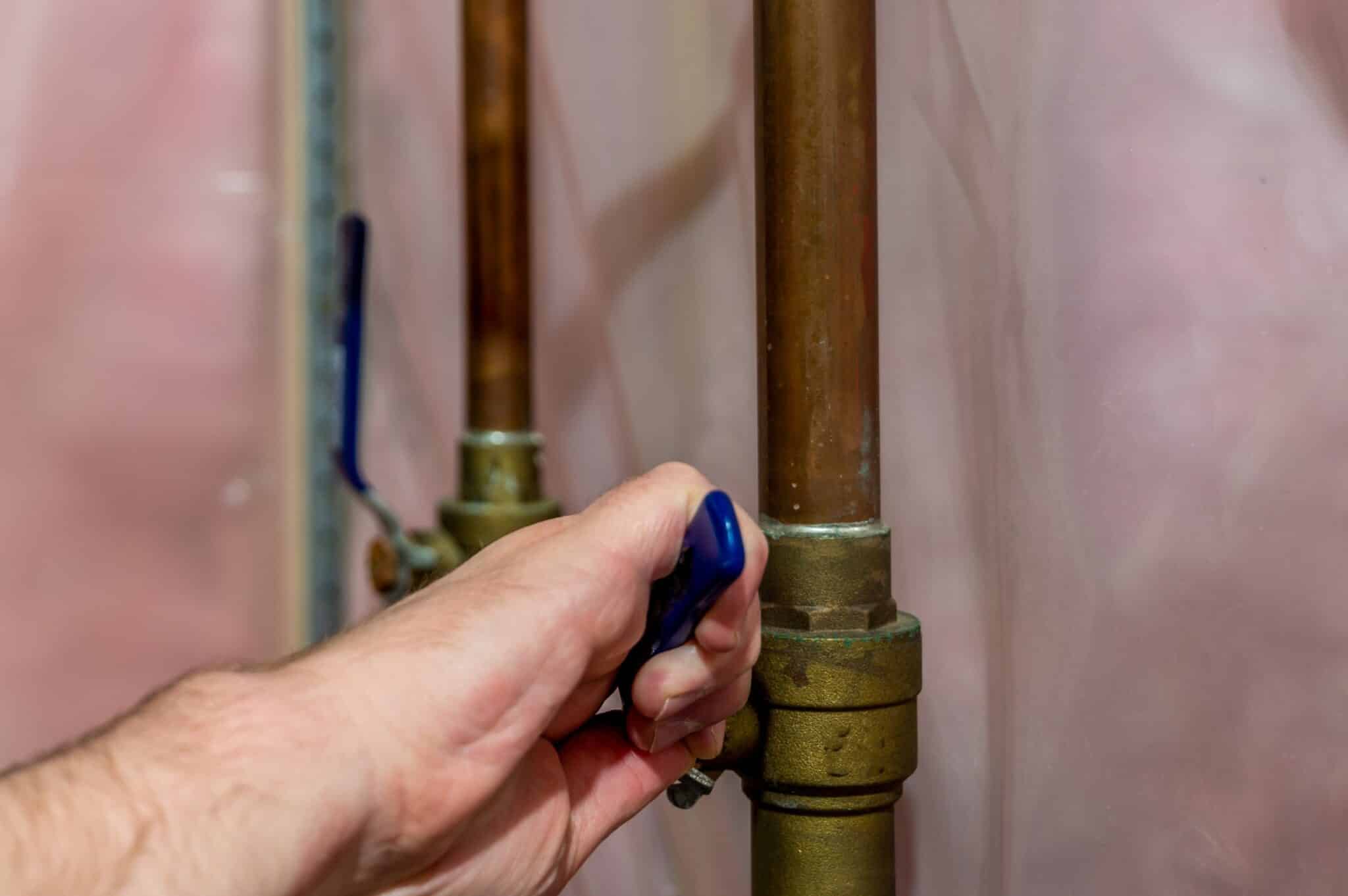
After understanding the significance of knowing your home’s water shutoff valve locations, the next step involves identifying these critical points in your San Diego home. Typically, the main water shutoff valve is located near where the water line enters your house. It could be in a basement, garage, or even outside, often buried in a box on the property. Recognizing this valve allows you to halt the water supply to your entire home swiftly.
In addition to the main valve, each plumbing fixture in your home likely has its own shutoff valve. These are usually found under sinks, behind toilets, or near appliances like washing machines and dishwashers. Familiarizing yourself with these locations enables you to stop water flow to specific areas without affecting the entire house. This targeted approach is particularly useful during repairs or when a leak is confined to one area.
Labeling these valves takes your preparedness a step further. Using waterproof markers or tags, clearly mark each valve with its corresponding area or appliance. This action ensures that in a moment of panic, anyone in your home can quickly identify and access the correct valve. It’s a simple measure that can prevent confusion and save precious time during an emergency.
Finally, practicing the act of turning off these valves completes your emergency preparedness. Make it a routine to periodically check and turn these valves to ensure they’re not stuck or hard to turn. This practice not only familiarizes you with their operation but also ensures they remain functional when you need them most. By taking these steps, San Diego homeowners can significantly mitigate potential water damage and maintain a sense of security in their homes.
Locating the Main Water Shutoff Valve in San Diego Homes
In San Diego homes, locating the main water shutoff valve is a critical first step in emergency preparedness. Often found where the water line enters the house, this valve could be in the garage, basement, or even outside. Knowing its exact location allows homeowners to quickly stop the water supply to the entire house. This knowledge is especially crucial in preventing significant water damage in case of a plumbing emergency.
For those living in areas like La Jolla, CA, it’s important to remember that the main water shutoff valve might be buried in a utility box on your property. Homeowners should ensure they have easy access to this box, keeping it clear of debris and obstructions. Regular checks are advisable to confirm the valve is operational and accessible when needed. This proactive approach helps in managing potential water issues more efficiently.
Once you’ve identified the main water shutoff valve, marking it clearly is a wise next step. Using waterproof tags or markers, label the valve distinctly to ensure quick identification. This simple measure aids in reducing response time during emergencies, making it easier for anyone in the household to locate and use the valve. Clear labeling is an effective strategy to enhance the safety and preparedness of your home.
Practicing how to turn off the main water shutoff valve completes the preparedness process. Every member of the household should be familiar with this task, ensuring they can act swiftly in an emergency. Regular practice not only boosts confidence but also ensures the valve remains functional over time. For San Diego residents, this practice is a vital part of maintaining home safety and minimizing the risk of water damage.
How to Find Fixture Shutoff Valves in Your Home
After mastering the location of the main water shutoff valve, turning your attention to the fixture shutoff valves in your home is the next critical step. These valves are strategically placed near each water-using fixture, such as under sinks, behind toilets, and next to appliances like dishwashers. By identifying these valves, homeowners in San Diego, CA, can quickly address leaks or undertake repairs without shutting off the water supply to the entire house. This targeted control is essential for efficient home maintenance and emergency response.
Labeling each fixture shutoff valve is a proactive measure that simplifies identification during urgent situations. Using durable, waterproof labels to mark the valves according to their corresponding fixtures helps everyone in the household, including guests, to easily locate them. This preparation is particularly beneficial in La Jolla, CA, where unique architectural features might make plumbing configurations less intuitive. Clear, visible labels can significantly reduce the time spent searching for the right valve in an emergency.
Practicing how to turn off each fixture shutoff valve is as vital as knowing their locations. Regularly rotating these valves ensures they remain easy to operate and free from rust or mineral buildup, which can render them immovable over time. This hands-on approach not only familiarizes household members with the process but also guarantees that the valves will function properly when their use is critical. It’s a straightforward yet effective strategy to enhance emergency preparedness in any San Diego home.
In conclusion, understanding how to find and operate fixture shutoff valves equips homeowners with the knowledge to manage minor leaks and prevent major water damage. From the bustling streets of San Diego to the scenic coast of La Jolla, CA, this knowledge is indispensable. By labeling and practicing the use of these valves, residents can ensure a swift and confident response to plumbing emergencies, safeguarding their homes and peace of mind.
Steps to Label Your Home’s Water Shutoff Valves
Taking the first step to label your home’s water shutoff valves might seem daunting, but it’s simpler than you think. Start by gathering durable, waterproof labels and a marker that can withstand the elements. Write clearly and concisely, noting the specific area or fixture each valve controls. This method ensures that, in an emergency, identifying the correct water shutoff valve in your San Diego home becomes a straightforward task.
Next, involve your household in the labeling process to familiarize them with the valves’ locations and functions. This collective effort not only educates everyone about the plumbing system but also promotes a shared responsibility for home safety. By turning this into a learning activity, you can make the process enjoyable and informative for all, reinforcing the importance of emergency preparedness in La Jolla, CA homes.
After labeling, take the time to inspect each valve to ensure it’s in working order. If a valve seems stiff or difficult to turn, applying a bit of lubricant can help make it operable. Regular checks like these prevent panic during actual emergencies, allowing for a calm and efficient response to unexpected plumbing issues.
Finally, establish a routine to review and practice turning off the water shutoff valves periodically. This practice not only keeps you prepared but also helps in identifying any valves that may have become difficult to operate over time. For San Diego residents, this habit can be the difference between a minor inconvenience and a major crisis, safeguarding your home and providing peace of mind.
The Importance of Regularly Testing Your Water Shutoff Valve
Understanding the need to locate and label your home’s water shutoff valve is crucial, but it’s equally important to regularly test its functionality. In San Diego, CA, where the climate can range from sunny days to unexpected storms, ensuring your water shutoff valve works properly can prevent a minor leak from becoming a flood. By incorporating a routine check into your household maintenance schedule, you can catch any potential issues before they escalate. This proactive step is key to maintaining a safe and dry home.
Testing your water shutoff valve also familiarizes you with its mechanism, making it easier to operate in an emergency. Residents of La Jolla, CA, for example, might face unique plumbing setups that require a bit more understanding and practice. Regular testing helps ensure that when the need arises, turning off the water supply is a swift and stress-free process. This familiarity can significantly reduce the time it takes to respond to a leak, minimizing potential water damage.
Moreover, during these tests, you might discover that a valve is stiff or hard to turn, indicating it needs maintenance. Applying lubricant or replacing a worn-out valve are simple solutions that can ensure your water shutoff valve is always ready for action. Such maintenance checks are essential, especially in older homes where valves might not have been operated for years. Keeping these components in working order is an integral part of home safety and efficiency.
Lastly, encouraging every member of your household to participate in testing the water shutoff valve builds a knowledgeable team ready to act in an emergency. This collective understanding and preparedness can make a significant difference in how effectively you manage unexpected plumbing issues. In the bustling community of San Diego, CA, where every second counts during a plumbing emergency, having a home where everyone knows how to quickly and effectively shut off the water supply is invaluable.
Emergency Situations: When to Turn Off Your Water Shutoff Valve
Knowing when to turn off your water shutoff valve is a critical skill for homeowners in San Diego, CA, especially during emergency situations. If you notice a sudden spike in your water bill, experience a burst pipe, or see signs of water damage, acting quickly to turn off the valve can prevent further damage. These scenarios require immediate attention, and understanding how to swiftly locate and operate your water shutoff valve becomes invaluable. This knowledge can save both time and money, making it an essential part of home maintenance.
In La Jolla, CA, where homes may face extreme weather conditions, being prepared for natural disasters is also crucial. Earthquakes or severe storms can damage plumbing, leading to unexpected water leaks. In such cases, turning off the main water shutoff valve can minimize the impact on your property. Familiarizing yourself with the valve’s location and operation before disaster strikes ensures you’re ready to protect your home under any circumstances.
Regularly practicing how to turn off your water shutoff valve equips every household member with the confidence to act during an emergency. It’s important for everyone, including children, to know the valve’s location and how to operate it. This collective knowledge ensures that, even in the absence of certain family members, someone can always respond effectively to a plumbing issue. Encouraging this practice strengthens your household’s emergency preparedness, making it a team effort.
Lastly, remember that turning off your water shutoff valve should be a temporary measure until professional help arrives. Once the immediate threat to your home is mitigated, contacting a professional to address the root cause of the issue is essential. They can safely repair the problem and advise when it’s safe to turn the water back on. This approach ensures that your plumbing system remains in good condition, safeguarding your San Diego home against future emergencies.
Professional Tips for Maintaining Your Water Shutoff Valve
Maintaining your water shutoff valve is key to ensuring it operates smoothly when you need it most. In San Diego, CA, where the climate can affect plumbing systems, regular maintenance is crucial. Checking for any signs of rust or corrosion can prevent your valve from seizing up. Applying a silicone-based lubricant can keep the valve turning easily, ensuring it’s always ready for use.
For residents of La Jolla, CA, familiarizing yourself with the nuances of your plumbing system can offer additional protection. It’s beneficial to occasionally clean around the valve to remove dirt and debris that might hinder access. Ensuring the pathway to your water shutoff valve is clear can save precious time during an emergency. This simple step aids in quick valve access, significantly reducing the risk of water damage.
Encouraging every household member to learn how to maintain the water shutoff valve fosters a proactive approach to home safety. Teaching them to check the valve’s condition and to gently turn it off and on helps familiarize them with its operation. This knowledge empowers each person to act confidently in an emergency, contributing to the overall safety of the home. It’s a collective effort that enhances the preparedness of the entire household.
Lastly, scheduling an annual inspection of your water shutoff valve by a professional can provide peace of mind. They can identify potential issues and make necessary repairs to ensure the valve functions properly. This professional oversight complements your regular maintenance, ensuring your home in San Diego is well-protected against unexpected plumbing emergencies. Together, these steps form a comprehensive approach to maintaining your water shutoff valve, safeguarding your home and your peace of mind.
Common Mistakes to Avoid with Your Water Shutoff Valve
Avoiding common mistakes with your water shutoff valve is crucial for homeowners in San Diego, CA. One frequent error is neglecting to check the valve for ease of operation regularly. Over time, valves can become stiff or corroded, making them difficult to turn in an emergency. Ensuring your valve turns smoothly can prevent panic and damage when quick action is required.
Another oversight is failing to educate all household members about the valve’s location and operation. In homes across La Jolla, CA, it’s essential that everyone, including children, knows how to shut off the water supply. This knowledge empowers each person to act confidently and swiftly, minimizing the impact of a plumbing issue. A well-informed household is better prepared to handle emergencies effectively.
Forgetting to perform annual maintenance checks on your water shutoff valve is also a mistake to avoid. A professional plumber can spot issues you might miss, such as hidden corrosion or wear that could hinder the valve’s functionality. Scheduling these checks ensures your valve is always in good working condition, offering peace of mind.
Lastly, many homeowners mistakenly believe that once they’ve located and labeled their water shutoff valve, no further action is needed. However, practicing how to use the valve under different scenarios is vital. Regular drills can familiarize you with the valve’s operation, reducing hesitation and errors during actual emergencies. This proactive approach ensures you’re always ready to protect your home from water damage.
Finding your water shutoff valve is crucial for any homeowner. In San Diego homes, it’s typically located near the property’s perimeter, often in the front or side yard. Look for a covered box flush with the ground or an above-ground valve. Familiarizing yourself with its location and operation can save you from potential water damage emergencies.
Can water shutoff valves leak?
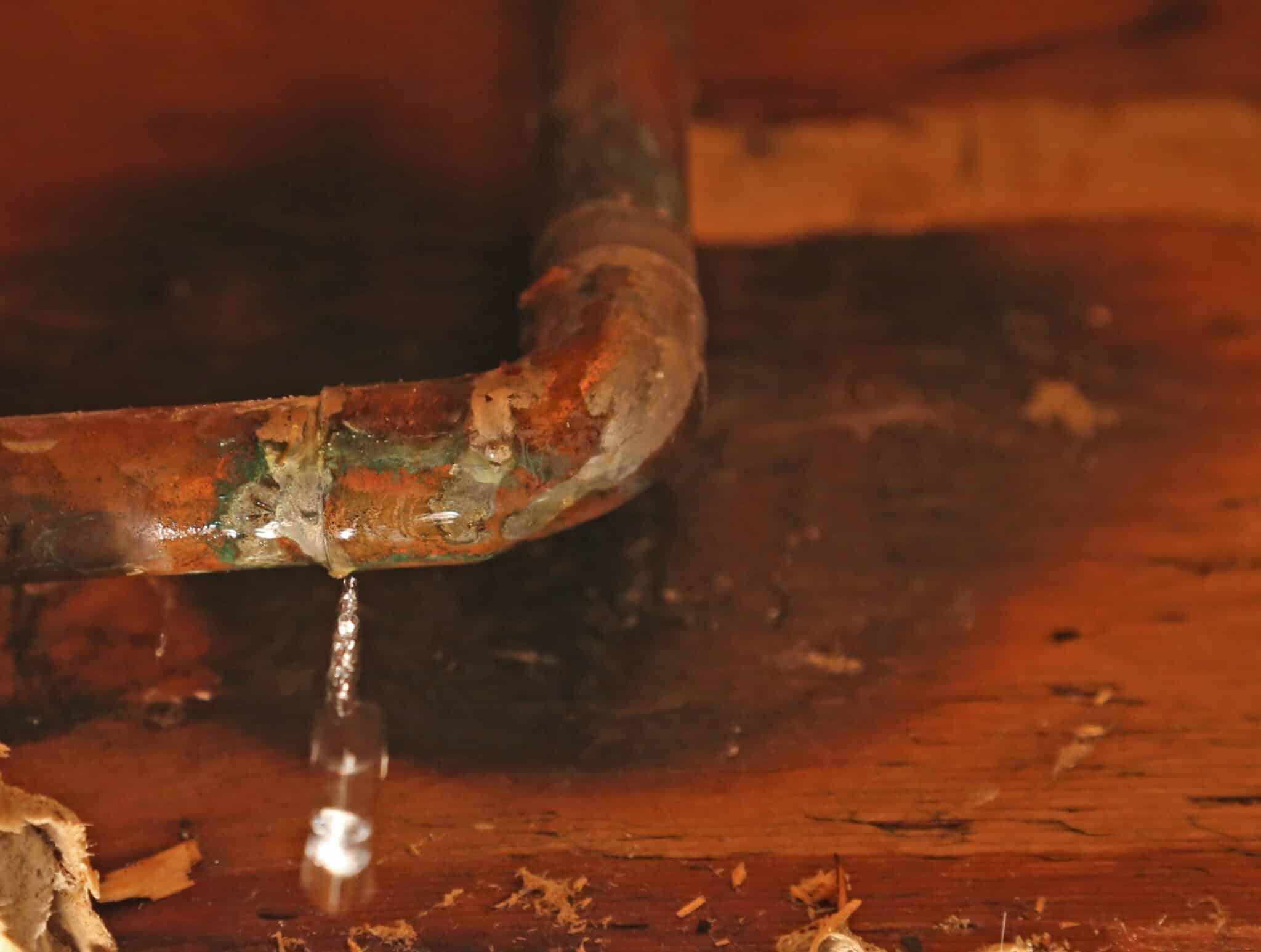
Yes, water shutoff valves can leak over time. This usually happens due to wear and tear or corrosion. If you notice a leak, it’s important to fix it quickly to prevent water damage. Regular checks and maintenance can help catch leaks early and keep your home safe.
What types of water shutoff valves are there?
There are two main types of water shutoff valves in homes. The first is the main shutoff valve, controlling water flow to the entire house. The second type is fixture shutoff valves, located near sinks, toilets, and other appliances. Knowing both helps you manage water in specific areas or the whole house during emergencies.
Why is the water shutoff valve location important?
Knowing your water shutoff valve location is key to preventing major water damage. In emergencies, quickly turning off the water supply can save your home from flooding. It also allows for easier repairs and maintenance without shutting off the entire system. Every San Diego homeowner should practice locating and using their valve to ensure safety and peace of mind.
How often should you test your water shutoff valve?
Testing your water shutoff valve regularly is essential for ensuring it works when you need it most. Experts recommend checking it at least once a year. This simple step can prevent potential water damage by making sure the valve operates smoothly. Make it a routine part of your home maintenance to keep your plumbing in top shape.
Bidet Sprayer Install Basics for a Cleaner Bathroom
Bidet Sprayer Install Basics for a Cleaner Bathroom
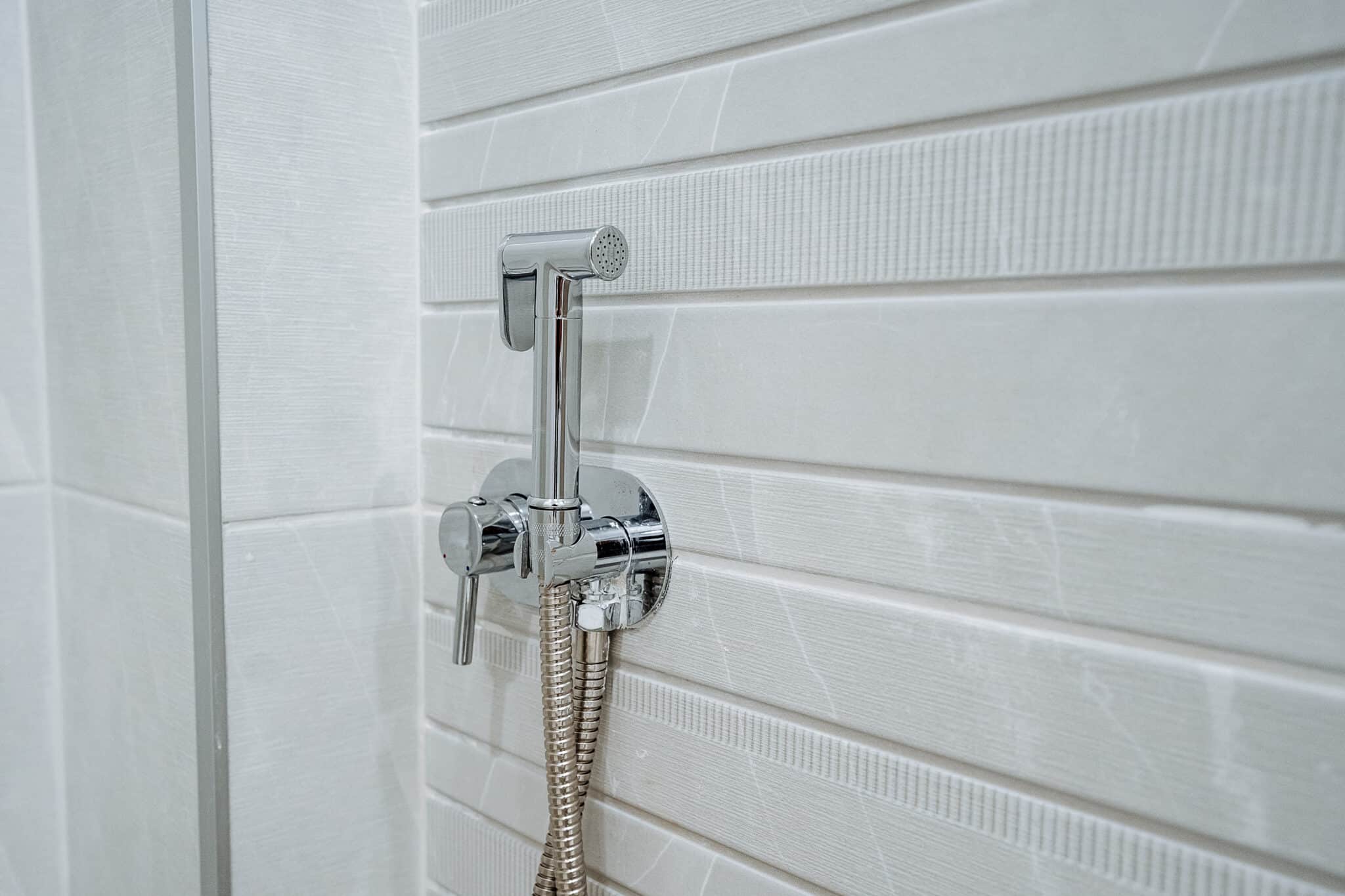
Embarking on a bidet sprayer install in your bathroom can elevate the cleanliness and sophistication of your space. This task, while seemingly daunting, can be simplified with the right approach and understanding of the necessary steps. Residents in San Diego, CA, and surrounding areas like La Jolla, CA, are increasingly adopting this hygienic fixture, reflecting a growing trend towards enhanced bathroom functionality and comfort. By choosing compatible parts and ensuring a proper setup, homeowners can enjoy the myriad benefits of a bidet sprayer without much hassle.
Adding a T valve at the toilet supply line is a crucial step in the bidet sprayer install process. This not only allows for the easy diversion of water to your new bidet sprayer but also maintains the integrity of your existing plumbing. Ensuring that this component is correctly installed is paramount in preventing leaks and potential water damage. With a focus on precision, this step can pave the way for a successful installation.
Preventing leaks is another critical aspect of a bidet sprayer install. By using quality seals and checking all connections thoroughly, homeowners can avoid common pitfalls that lead to water damage. It’s essential to approach this step with care, as even a small leak can lead to significant issues down the line. Taking the time to double-check your work can save a lot of headaches and keep your bathroom dry and functional.
Testing the operation of your new bidet sprayer is the final, satisfying step. After installation, running through all the features and settings ensures everything is working as it should. This not only confirms the success of your install but also familiarizes you with the functionality of your new bathroom upgrade. With a successful bidet sprayer install, residents of San Diego, CA, and La Jolla, CA, can enjoy a cleaner, more sophisticated bathroom experience.
Choosing the Right Bidet Sprayer for Your Bathroom
Choosing the right bidet sprayer for your bathroom begins with understanding the compatibility of parts. The market offers a wide range of models, each with unique features and specifications. It’s important to select a sprayer that fits seamlessly with your existing toilet and plumbing setup. This ensures a smooth bidet sprayer install process and avoids unnecessary complications.
In addition to compatibility, consider the design and functionality that best suit your needs. Some bidet sprayers come with adjustable pressure controls, allowing for a customized cleaning experience. Others include features like temperature control for added comfort. Selecting a model that aligns with your preferences enhances the overall satisfaction with your new bathroom upgrade.
When shopping for your bidet sprayer, paying attention to the quality of materials is crucial. High-quality components are more likely to withstand the test of time, reducing the need for frequent replacements. They also tend to be more reliable, ensuring a leak-free installation. Opting for a reputable brand can often guarantee the durability and efficiency of your bidet sprayer.
Lastly, consider the installation process of the bidet sprayer you choose. Some models are designed for easy, DIY installation, while others might require professional assistance. Understanding the installation requirements ahead of time can help you prepare accordingly. Whether you decide to tackle the project yourself or hire a professional, ensuring a proper install is key to enjoying a cleaner, more sophisticated bathroom in your San Diego or La Jolla home.
Tools and Materials Needed for Bidet Sprayer Install
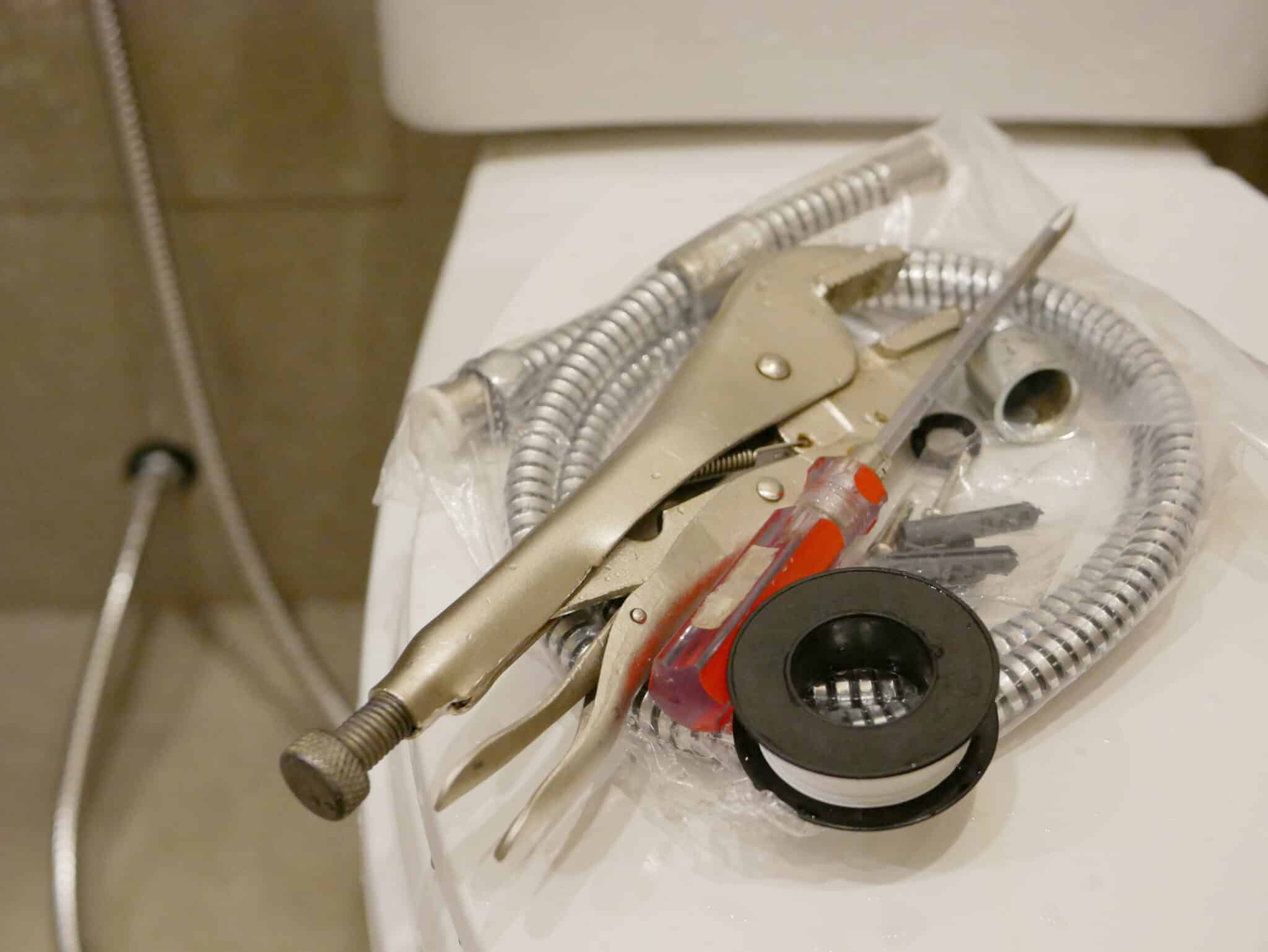
Before diving into your bidet sprayer install, gathering the right tools and materials is essential. You’ll need an adjustable wrench, Teflon tape, and a screwdriver, which are crucial for a smooth installation process. Additionally, ensure you have the bidet sprayer kit, which typically includes all necessary components. Having these items on hand prevents delays, making your project in San Diego, CA, or La Jolla, CA, more efficient.
Next, the importance of Teflon tape in preventing leaks cannot be overstated. Wrap it around the threads of each connection point before assembling them. This small step plays a big role in ensuring a tight seal, keeping your bathroom dry. It’s a simple yet effective way to enhance the reliability of your bidet sprayer install.
Moreover, having a bucket and towels nearby is wise, especially during the testing phase. These items will help manage any unexpected water that may escape. They also come in handy for cleaning up once you’ve completed the install. This preparation can make the difference between a messy task and a tidy finish.
Finally, familiarize yourself with the instruction manual of your bidet sprayer. Each model has unique features and installation steps. Taking the time to understand these can prevent mistakes and ensure a successful bidet sprayer install. With the right approach, residents in San Diego and La Jolla can enjoy the benefits of a cleaner, more sophisticated bathroom.
Step-by-Step Guide to Adding a T Valve
Adding a T valve during your bidet sprayer install is a straightforward yet crucial step. First, shut off the water supply to your toilet to ensure a safe working environment. This prevents any unexpected water flow that could complicate the installation process. With the water off, you’re ready to proceed to the next step confidently.
Next, locate the toilet’s water supply line at the base of the tank. Here, you’ll detach the existing connection, which is where the T valve comes into play. By attaching this valve, you create a branch in the water line: one leading to the toilet and the other to your new bidet sprayer. It’s a simple modification that significantly expands your bathroom’s functionality.
When installing the T valve, using Teflon tape on the threads is essential for preventing leaks. Wrap the tape around the threads a few times before making the connection to ensure a watertight seal. This small step is crucial for maintaining a dry and damage-free bathroom. A leak-free install is the goal, and attention to detail here makes all the difference.
Finally, after securing the T valve, reconnect the water supply and check for any signs of leaks. This is where your preparation pays off, as any issues can be quickly addressed without water damage. Once everything is tight and dry, you’ve successfully completed a key phase of your bidet sprayer install. This addition not only enhances your bathroom’s hygiene but also its overall appeal, making it a win for homes in San Diego and La Jolla.
Preventing Leaks: Sealants and Techniques
Ensuring a leak-free bidet sprayer install begins with the right sealants and techniques. Before connecting parts, applying a quality sealant to the threads can make a significant difference. This not only helps to prevent water from escaping but also secures the connections for long-term use. Choosing a sealant designed for bathroom fixtures ensures compatibility and durability, essential for homes in San Diego, CA.
Another effective technique is to inspect all rubber washers and seals before installation. These small components play a crucial role in preventing leaks. If they appear worn or damaged, replacing them is a wise move. This preventive measure can save you from future leaks and the complications that come with water damage in La Jolla, CA.
After installing the bidet sprayer, conducting a thorough leak test is crucial. Slowly turn on the water supply and observe each connection point for any signs of water seepage. This step allows you to address any issues immediately, ensuring a dry and secure setup. Catching leaks early prevents water damage and contributes to a successful bidet sprayer install.
Lastly, regular maintenance checks are key to a leak-free bidet sprayer. Over time, connections can loosen, and seals may degrade. Periodically checking these can help you catch and fix any potential leaks before they become a problem. This ongoing vigilance keeps your bathroom in top condition, maintaining the benefits of your bidet sprayer install.
Bidet Sprayer Install: Connecting the Hoses
After ensuring a leak-free setup, the next step in your bidet sprayer install is connecting the hoses, which is a crucial phase to get right. Begin by identifying the hose that connects the T valve to the bidet sprayer, often clearly marked in the installation kit. This hose is typically flexible, making it easier to maneuver into place. Securely attach one end to the T valve and the other to the bidet sprayer, ensuring each connection is tight to prevent leaks.
Next, it’s important to check the hose for any kinks or twists that could restrict water flow. A smooth, straight hose ensures optimal water pressure and functionality of your bidet sprayer. If you encounter any bends, gently straighten the hose to maintain a consistent water flow. This step is simple but vital for the bidet sprayer’s performance once installed.
Once the hoses are correctly connected and checked for any obstructions, slowly turn the water supply back on. This gradual approach helps you monitor the system for any immediate leaks around the new connections. Watching for leaks as you restore the water supply allows you to address any issues before they escalate, ensuring a successful install in your San Diego home.
Finally, testing the bidet sprayer’s operation is the last step to confirm a successful install. Activate the sprayer according to the manufacturer’s instructions and adjust the settings to your preference. This test not only ensures everything is working correctly but also familiarizes you with the sprayer’s features, completing your bidet sprayer install in La Jolla, CA. With these steps, you can enjoy the enhanced cleanliness and comfort of your new bathroom upgrade.
Testing Your Bidet Sprayer: What to Look For
After completing the connections and ensuring no leaks, testing your bidet sprayer is the crucial final step in the install process. Start by slowly turning on the water supply to check for any immediate issues. This careful approach helps you spot and fix any problems before they escalate. With everything set, your bidet sprayer install in San Diego, CA, is almost ready for use.
Next, activate the bidet sprayer using the control knob or button, depending on your model’s design. Watch how the water flows, ensuring it’s steady and at the right pressure. This moment is satisfying as it signifies your install efforts are paying off. It’s also a good time to adjust settings to match your personal preferences, enhancing your bathroom experience in La Jolla, CA.
Pay attention to how the sprayer functions during use. It should operate smoothly, without any leaks or drops in pressure. If you encounter any issues, revisiting the connections for tightness might be necessary. This step ensures your bidet sprayer install is not only successful but also reliable for daily use.
Finally, familiarize yourself with the different features and settings of your bidet sprayer. Understanding how to adjust the water pressure and temperature, if applicable, allows you to maximize the benefits of your new bathroom upgrade. With this knowledge, you can enjoy a cleaner, more sophisticated bathroom experience, thanks to a successful bidet sprayer install.
After installing your bidet sprayer, maintaining it properly ensures its longevity and efficiency. Regularly checking the connections can prevent leaks from developing over time. This involves inspecting the hose and T valve connections to your bidet sprayer every few months. By doing this, homeowners in San Diego, CA, can enjoy a consistently well-functioning bathroom fixture.
Cleaning the nozzle and sprayer head is also crucial for maintaining hygiene and performance. Use a soft cloth and a gentle cleaner to wipe down the sprayer regularly. This prevents the buildup of minerals from hard water, which can affect water flow and spray pattern. Residents in La Jolla, CA, will find that this simple step greatly contributes to the sprayer’s effectiveness.
It’s also important to descale the bidet sprayer periodically, especially in areas with hard water. This process involves running a descaling solution through the sprayer to remove any mineral deposits. Doing so ensures that the water pressure remains strong and consistent, providing an optimal cleaning experience with every use.
Lastly, familiarize yourself with the manufacturer’s guidelines for your specific model. Each bidet sprayer may have unique maintenance requirements or recommended cleaning products. Adhering to these recommendations can help avoid damage and ensure that your bidet sprayer install remains a valuable addition to your bathroom for years to come.
Troubleshooting Common Bidet Sprayer Issues
After your bidet sprayer install, you might encounter a few common issues that can usually be fixed with simple troubleshooting. If you notice a decrease in water pressure in your San Diego home, first check the T valve and hose connections for any obstructions. Sometimes, debris or mineral buildup can restrict water flow, but cleaning these parts can often restore full functionality. Ensuring these components are clear and fully open can make a significant difference.
Leaks are another issue that can arise after installation. If you spot water dripping from any connection point, it’s crucial to address it immediately to prevent damage. Tightening the connections with an adjustable wrench can often solve the problem. However, if leaks persist, replacing the washer or applying more Teflon tape to the threads may be necessary, effectively sealing the connection.
In La Jolla, CA, residents may also experience issues with the bidet sprayer not functioning correctly. This could be due to improperly aligned parts during the install process. Double-checking that all components are correctly fitted and aligned according to the manufacturer’s instructions can resolve many operational problems. This step ensures that each part works together as intended, providing the optimal experience.
Lastly, if your bidet sprayer suddenly stops working, it might be due to a blocked nozzle. Mineral deposits from hard water can clog the sprayer head over time. Soaking the nozzle in a descaling solution or vinegar can dissolve these deposits, restoring proper spray function. Regular maintenance and cleaning of the nozzle will keep your bidet sprayer install in top condition, ensuring it continues to provide a clean and refreshing experience.
Frequently Asked Questions
What tools are needed for a bidet sprayer install?
For a bidet sprayer install, you’ll need a few basic tools. Start with an adjustable wrench to tighten connections. A Teflon tape is essential to prevent leaks. Also, have a screwdriver handy for any mounts or brackets. Finally, a bucket can catch any drips while you work, keeping the area dry.
How long does a bidet sprayer install take?
A bidet sprayer install typically takes about 30 minutes to an hour. This time frame assumes you have all the necessary tools and parts ready. It’s a straightforward process that involves adding a T valve and connecting the sprayer. Testing the operation and checking for leaks are the final steps to ensure everything works perfectly.
Can any toilet accommodate a bidet sprayer?
Most toilets can accommodate a bidet sprayer with ease. You simply need to ensure the toilet has a nearby water supply line. Adding a T valve splits this line, allowing the sprayer to function. This setup makes a bidet sprayer install possible in most bathroom configurations.
What are common mistakes in bidet sprayer install?
A common mistake in a bidet sprayer install is not using Teflon tape on the threads, leading to leaks. Some people forget to shut off the water supply, causing a messy situation. Others might tighten connections too much, risking damage to the parts. Lastly, failing to test the sprayer for leaks and function after installation can lead to problems down the line.
Is a plumber required for bidet sprayer install?
A plumber is not always needed for a bidet sprayer install. Many people find they can do it themselves with the right tools and instructions. However, if you’re unsure about the process or uncomfortable with plumbing tasks, hiring a professional might be best. Ensuring the job is done correctly can save time and prevent potential issues.
How to Choose the Right Faucet for Your Home
How to Choose the Right Faucet for Your Home
Choosing the right faucet for your home in San Diego, CA, can significantly impact both the functionality and aesthetic appeal of your spaces. Whether you’re renovating a kitchen in Linda Vista, CA, or updating a bathroom in La Jolla, CA, the right faucet can elevate the room’s design while ensuring practical use for years to come. With a myriad of options available, it’s crucial to consider several factors to ensure you make an informed decision. From style and finish to water efficiency and installation requirements, understanding what to look for will guide you in your quest to choose the right faucet.
The process to choose the right faucet involves more than just picking out a design that catches your eye. It’s about finding a balance between form and function, ensuring that your selection not only looks good but also meets your daily needs. For instance, families might prioritize durability and ease of cleaning, while a tech-savvy homeowner might lean towards a touchless faucet for added convenience and hygiene. Each choice reflects personal style and practicality, making it essential to weigh these aspects carefully.
Moreover, considering the water efficiency of a faucet is becoming increasingly important. Opting for models that conserve water not only benefits the environment but can also lead to significant savings on utility bills. This is especially relevant in areas like San Diego, CA, where water conservation is a key concern for many residents. By choosing a faucet that aligns with eco-friendly practices, you contribute to a sustainable future while enjoying the perks of modern plumbing technology.
Lastly, the installation process should not be overlooked. Whether you’re a DIY enthusiast in La Jolla, CA, or planning to hire a professional in Linda Vista, CA, understanding the compatibility of your chosen faucet with your existing plumbing system is vital. This ensures a smooth installation process and avoids potential complications down the line. By keeping these factors in mind, you’ll be well on your way to choose the right faucet that blends seamlessly with your home’s style and meets your functional needs.
Understanding Faucet Types and Their Uses
When you set out to choose the right faucet, understanding the different types available is crucial. Each type serves a distinct purpose and fits various needs. For example, pull-out faucets are perfect for kitchens where flexibility is key, allowing for easy rinsing and cleaning. Meanwhile, in places like Linda Vista, CA, homeowners might prefer wall-mounted faucets for their sleek look and space-saving benefits.
Another popular choice is the single-handle faucet, known for its convenience and ease of use. This type allows you to control water temperature and flow with just one hand, making it ideal for busy households. In contrast, double-handle faucets offer precise temperature control, appealing to those in La Jolla, CA, who prioritize functionality in their kitchen or bathroom design. Each type has its unique advantages, emphasizing the importance of matching the faucet to your specific needs.
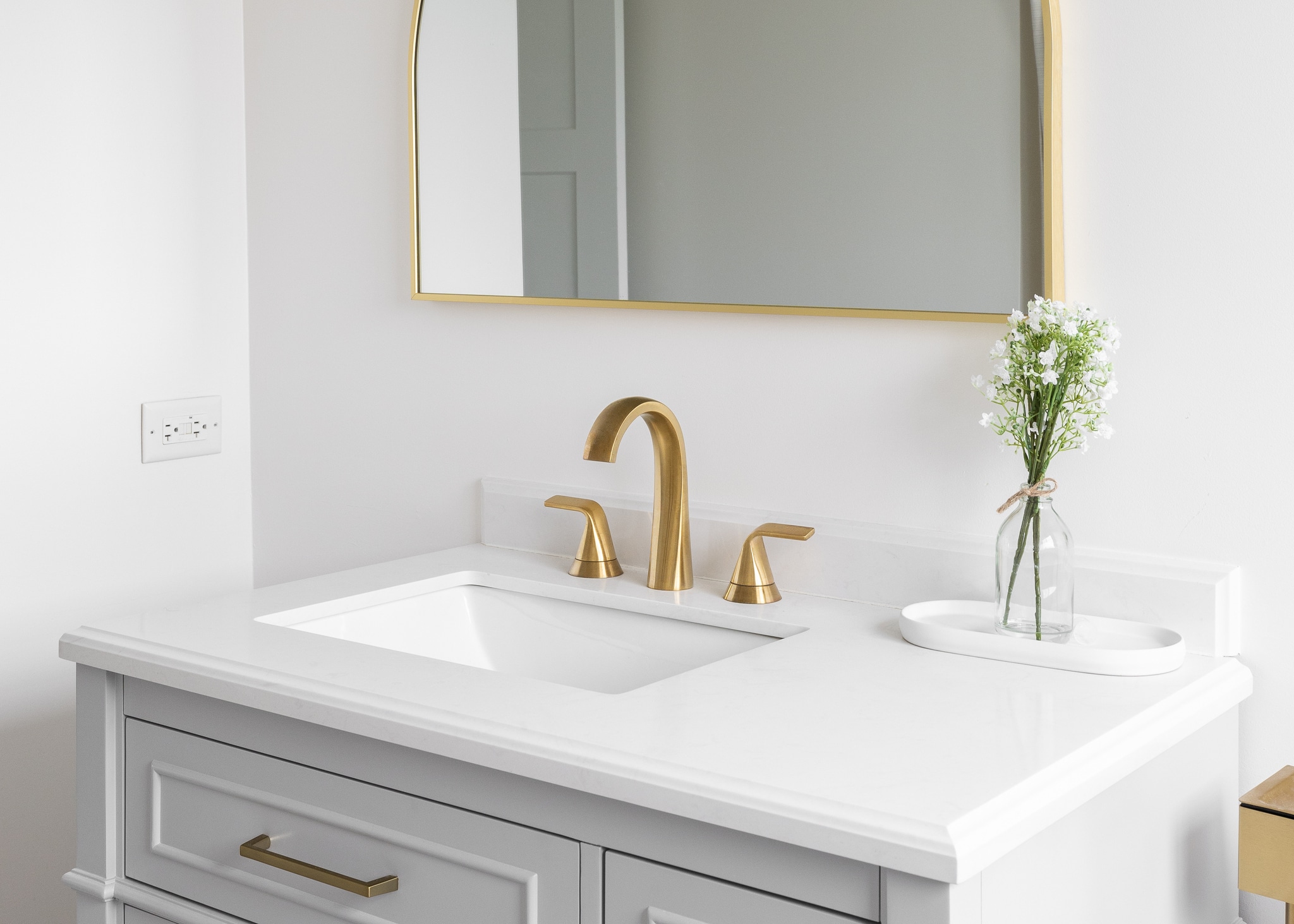
Considering the area of installation is also key when you aim to choose the right faucet. For bathrooms, centerset faucets with a compact design are often the go-to choice, fitting well in smaller sinks. On the other hand, widespread faucets, with their separate hot and cold water handles, are suited for larger bathroom sinks, offering a more classic and elegant look.
Lastly, the material and finish of the faucet play a significant role in both its appearance and durability. Chrome and stainless steel are popular for their longevity and ease of maintenance, suitable for high-traffic areas. Meanwhile, brass and bronze finishes can add a touch of luxury and warmth, perfect for creating a statement in any room. By carefully considering these aspects, you can ensure that your faucet not only meets your practical needs but also complements your home’s style.
How to Choose the Right Faucet for Your Kitchen
When it comes to the kitchen, choosing the right faucet becomes even more crucial due to the room’s high usage. For those in Linda Vista, CA, a faucet with a high arc might be ideal, offering ample space for filling pots and cleaning large items. It’s important to consider the sink’s size and shape to ensure a perfect match. This thoughtful selection ensures your kitchen is not only functional but also a joy to use.
In La Jolla, CA, homeowners might look for features that simplify kitchen tasks, such as faucets with built-in sprayers. These types are perfect for multitasking, allowing easy cleaning of dishes and the sink area. Additionally, a touchless faucet can be a game-changer, minimizing the spread of germs and making kitchen operations smoother. Such innovative features combine convenience with hygiene, making them a smart choice for any home.
Durability is another key factor when you aim to choose the right faucet for your kitchen. Materials like stainless steel or chrome are not only sleek but also resist corrosion and tarnishing over time. Opting for a faucet made from high-quality materials ensures it can withstand the rigors of daily use. This means less worry about wear and tear and more time enjoying your kitchen’s functionality and appearance.
Finally, don’t overlook the aesthetic appeal of the faucet. It should complement your kitchen’s overall design, whether you prefer a modern or traditional look. The right faucet acts as a focal point, enhancing the kitchen’s ambiance while providing essential functionality. By keeping these considerations in mind, you’ll find a faucet that not only meets your practical needs but also elevates your kitchen’s style.
When it comes to enhancing your bathroom, choosing the right faucet is essential. In Linda Vista, CA, homeowners value both functionality and style in their bathroom design. A faucet with a water-saving feature is not only eco-friendly but also cost-effective, making it a wise choice. It’s important to select a faucet that complements your bathroom’s aesthetics while meeting your practical needs.
In La Jolla, CA, the focus is on creating a serene and luxurious bathroom space. For this reason, a faucet that embodies elegance and sophistication can significantly elevate the room’s ambiance. Opting for a faucet with a unique finish, like brushed nickel or matte black, can add a touch of refinement. Such choices ensure your bathroom stands out while providing the necessary functionality.
Ease of use is another crucial factor to consider when you aim to choose the right faucet for your bathroom. Faucets with single-handle designs offer simplicity and convenience, allowing for easy temperature adjustment. This feature is particularly beneficial for families with children or elderly members, ensuring the faucet is accessible to everyone.
Lastly, durability should never be overlooked. A high-quality faucet can withstand daily use, resisting wear and tear over time. Investing in a faucet made from robust materials ensures longevity, saving you from frequent replacements. By prioritizing durability, you ensure your bathroom remains functional and stylish for years to come.
The Importance of Faucet Materials and Finishes
When you decide to choose the right faucet, considering the materials and finishes is crucial. In Linda Vista, CA, homeowners often lean towards stainless steel for its durability and ease of maintenance. This material resists corrosion and tarnishing, ensuring your faucet remains in top condition. Its sleek appearance also adds a modern touch to any space.
In La Jolla, CA, the preference might shift towards finishes that make a statement, such as brushed nickel or oil-rubbed bronze. These finishes not only enhance the aesthetic appeal of your bathroom or kitchen but also hide fingerprints and water spots. Choosing a finish that complements your room’s decor can elevate the overall design. It’s a simple yet effective way to add character and style.
The longevity of your faucet significantly depends on the quality of materials used. High-quality materials like solid brass can withstand the rigors of daily use, making them a wise investment. This ensures your faucet stays functional and attractive for years, avoiding the need for frequent replacements. It’s a practical approach to maintaining your home’s appeal and functionality.
Lastly, the right finish can play a significant role in water efficiency and environmental sustainability. Some finishes are designed to reduce water spots and fingerprints, which can lead to less frequent cleaning and, consequently, less water usage. By choosing a faucet with eco-friendly features, you contribute to water conservation efforts. This thoughtful selection not only benefits the planet but also supports the sustainability goals of communities in San Diego, CA.
Matching Your Faucet with Your Home’s Style
When you set out to choose the right faucet, it’s essential to consider how it will blend with your home’s overall style. In Linda Vista, CA, homeowners often favor modern designs that complement their contemporary living spaces. Selecting a faucet with a sleek, minimalist design can enhance the modern aesthetic of your home. This approach ensures that the faucet not only serves its practical purpose but also contributes to the cohesive look of your space.
On the other hand, in La Jolla, CA, a more traditional or rustic style might be preferred. Here, faucets with classic lines and finishes such as oil-rubbed bronze can add a touch of elegance and warmth to your home. By choosing a faucet that echoes the architectural and design elements of your space, you create a harmonious and inviting atmosphere. This thoughtful selection process enhances not only the functionality of your faucet but also the overall charm of your home.
Furthermore, integrating the right faucet into your home decor is about finding the perfect balance between style and functionality. For instance, a kitchen might benefit from a faucet that combines a high degree of functionality with a design that matches the room’s aesthetic. Whether you prefer a pull-down sprayer for its practicality or a touchless faucet for its modern appeal, the key is to select a model that aligns with your daily needs and design preferences.
Lastly, the process to choose the right faucet involves paying attention to the details that tie your room’s design together. Accents like the finish of your faucet can significantly influence the room’s look and feel. Opting for a finish that complements your hardware and appliances can unify the space, creating a polished and well-thought-out design. This attention to detail ensures that your faucet not only meets your practical needs but also elevates the style of your home.
Installation and Compatibility Considerations
When you decide to choose the right faucet, it’s crucial to consider the installation process and how the faucet will fit with your existing plumbing. Homeowners in Linda Vista, CA, should verify the compatibility of the new faucet with their home’s plumbing layout. This step prevents potential issues during installation, ensuring a smooth transition to your new fixture. Consulting with a professional can provide valuable insight into this process, making the selection easier.
In addition to compatibility, the ease of installation is an important factor. Some faucets come with easy-to-follow instructions, allowing for a straightforward DIY project. However, for more complex installations in La Jolla, CA, hiring a skilled plumber might be the best approach. This ensures the job is done correctly, avoiding any unnecessary complications or damage.
The choice of the right faucet also involves understanding the configuration of your sink. Sinks with multiple holes may require a different faucet type than those with a single hole. Knowing this before making a purchase can save time and frustration, guiding you towards the right selection. It’s a detail that, while small, significantly impacts the installation process and overall satisfaction with your choice.
Lastly, considering future maintenance and compatibility with your water system is essential. Choosing a faucet that is known for its durability and ease of repair can lead to long-term savings and convenience. This foresight into maintenance requirements ensures your faucet remains a functional and aesthetic feature of your home for years to come. By keeping these considerations in mind, you’re well on your way to making a choice that blends seamlessly with your lifestyle and home’s design.
Water Efficiency and Environmental Considerations
When you aim to choose the right faucet, considering water efficiency and environmental impact is increasingly important. In Linda Vista, CA, homeowners are becoming more conscious of their water use, reflecting a broader trend towards sustainability. Opting for a faucet with water-saving features not only reduces your ecological footprint but also trims down your monthly water bills. This thoughtful selection demonstrates a commitment to preserving our planet’s precious resources.
In addition to water efficiency, choosing a faucet that meets environmental standards can contribute to a healthier home environment. For instance, faucets certified by environmental organizations ensure that they lead free and safe for all household uses. Residents in La Jolla, CA, who prioritize health and safety, find these certifications reassuring. It’s a step towards ensuring that the water you use daily is not only conserved but also contaminant-free.
Moreover, the right faucet can offer innovative features that further enhance water efficiency. Features like aerators and automatic shut-off mechanisms prevent unnecessary water wastage, making them ideal for eco-conscious households. These technologies allow you to maintain high functionality without compromising on water conservation goals. It’s a perfect blend of modern convenience and environmental responsibility.
Finally, understanding the long-term benefits of choosing an environmentally friendly faucet can influence your decision-making process. Not only do these faucets help conserve water, but they also contribute to a sustainable lifestyle, aligning with the values of communities in San Diego, CA. By selecting a faucet that supports water efficiency, you play a part in a larger movement towards sustainability. It’s a choice that benefits both your home and the environment.
Tips from Plumbing Experts on Choosing the Right Faucet
When looking to choose the right faucet, consulting with plumbing experts can provide invaluable insights. They often recommend focusing on the compatibility of the faucet with your home’s water pressure system. For instance, in Linda Vista, CA, water pressure can vary, making it crucial to select a faucet that operates efficiently under local conditions. This ensures optimal performance and avoids issues such as weak water flow or excessive splashing.
Another tip from professionals is to consider the ease of maintenance and repair. Faucets that are easy to disassemble allow for quicker repairs and cleaning, extending their lifespan. In La Jolla, CA, where the water might contain minerals that can build up in fixtures, choosing a faucet designed for easy cleaning can prevent long-term damage. This approach saves time and money, keeping your faucet in excellent condition.
Plumbing experts also emphasize the importance of a faucet’s warranty. A comprehensive warranty can offer peace of mind, covering potential defects or problems. It’s a factor often overlooked but crucial for protecting your investment. Homeowners are encouraged to review warranty details carefully, ensuring they understand what is and isn’t covered.
Lastly, professionals advise considering future kitchen or bathroom upgrades when selecting a faucet. Choosing a versatile design that can complement various styles ensures your faucet remains a fit for your home, even as decor trends change. This foresight prevents the need for a premature replacement, making it a smart choice for long-term satisfaction.
The Right Faucet Frequently Asked Questions
What factors influence faucet selection?
When choosing the right faucet, consider your home’s style and your daily needs. Look for durable materials that match your decor. Water efficiency is also key, as it can save on bills. Finally, ensure the faucet fits your sink’s configuration for a seamless installation.
How to Choose the Right Faucet for your kitchen?
To choose the right faucet for your kitchen, start by considering the sink’s size and shape. Look for a design that complements your kitchen’s overall style. Prioritize faucets with features that meet your cooking and cleaning habits. Lastly, opt for models with water-saving technology to reduce your environmental impact and save on utility bills.
What are the different types of faucets?
Several types of faucets are available, each suited for specific needs. Compression faucets are traditional, using separate handles for hot and cold water. Cartridge faucets offer a smooth operation and can have one or two handles. Disc faucets, known for their durability, mix hot and cold water inside a chamber. Lastly, ball faucets, common in kitchens, use a single handle to control water flow and temperature, making it easy to choose the right faucet for any home.
How to Choose the Right Faucet for your bathroom?
To choose the right faucet for your bathroom, start by assessing the size and layout of your sink. Opt for designs that complement the room’s style, enhancing its overall appeal. Consider faucets with water-efficient features to conserve resources and lower bills. Lastly, ensure the model you select offers ease of use and maintenance, contributing to a hassle-free bathroom experience.
What is the best material for faucets?
The best material for faucets often depends on durability and aesthetic preferences. Stainless steel and brass are popular for their longevity and resistance to corrosion. For a sleek, modern look, chrome plating offers a shiny finish that’s easy to clean. Each material has its benefits, helping homeowners choose the right faucet that matches both their style and functional needs.
University City’s Best Water-Saving Upgrade Ideas
University City’s Best Water-Saving Upgrade Ideas
In University City, the quest for sustainable living is more than a trend, it’s a commitment to a better future. Homeowners are increasingly looking for water-saving upgrade ideas that not only reduce their utility bills but also contribute to environmental conservation. With the right upgrades, it’s possible to achieve significant water savings without sacrificing comfort or convenience. This approach not only benefits individual households but also supports the broader San Diego community in its water conservation efforts.
Exploring water-saving upgrade ideas can be an exciting journey into the world of smart plumbing technology and eco-friendly solutions. From low-flow fixtures to advanced irrigation systems, there are numerous ways to enhance your home’s efficiency. These innovations are designed to integrate seamlessly into your daily life, offering convenience while minimizing water waste. By adopting these solutions, residents of University City can lead the way in sustainable living, setting an example for neighboring areas like Kearny Mesa, CA.
The benefits of implementing water-saving upgrades extend beyond just environmental impact. They also offer a practical way to manage household expenses, reducing water bills significantly over time. With the cost of living on the rise, finding ways to cut down on utility costs is more important than ever. Fortunately, the latest advancements in plumbing and water management technologies make it easier to enjoy these savings without compromising on performance or aesthetic appeal.
As we delve into the most effective water-saving upgrade ideas for University City homes, remember that every small change contributes to a larger impact. Whether you’re considering a full-scale renovation or looking for simple tweaks to make your home more water-efficient, there are options to suit every need and budget. By embracing these eco-conscious solutions, you’ll not only enhance your living space but also play a crucial role in preserving our planet’s most precious resource.
The Importance of Water Conservation in University City
In University City, the importance of water conservation cannot be overstated. As the community seeks to lead in sustainability, homeowners are turning their attention to water-saving upgrade ideas. These upgrades not only support the local ecosystem but also prepare households for a future where https://www.energy.gov/energysaver/saving-water-and-water-usewater might be less abundant. By prioritizing these improvements, residents are making a significant contribution to the overall health of the region.
Adopting water-efficient practices goes beyond personal benefit, it fosters a culture of responsibility and awareness throughout University City. For instance, when neighbors see the impact of low-flow fixtures in one home, they’re encouraged to make similar changes. This domino effect can lead to widespread adoption of water-saving measures, amplifying the positive impact on the community’s water resources. As a result, the collective effort can greatly reduce the demand on Kearny Mesa’s water supply, benefiting the broader San Diego area.
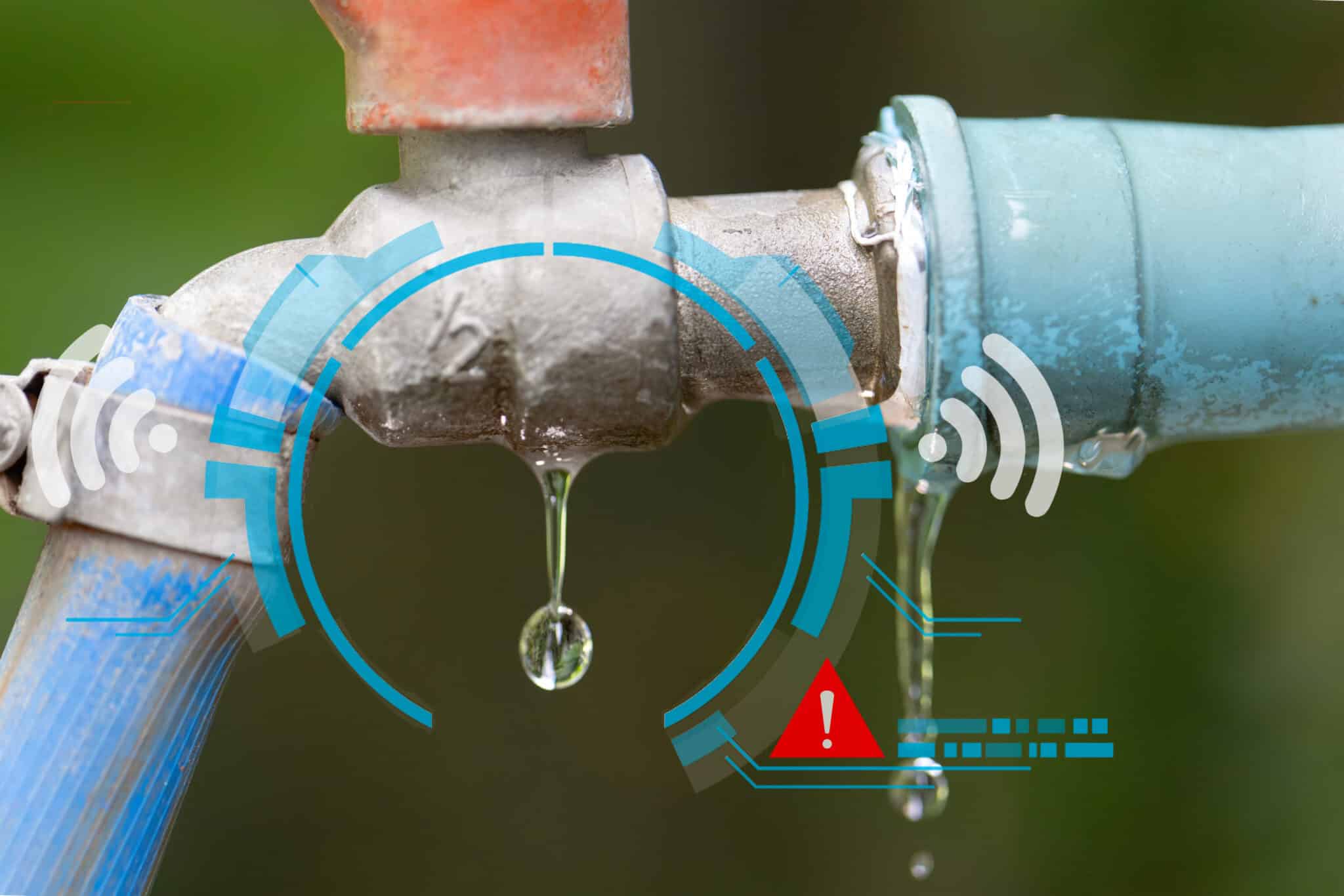
Incorporating smart plumbing technology is a game-changer for achieving optimal water efficiency. These systems can detect leaks early, monitor water usage, and even adjust flows automatically to conserve water. For University City residents, this means enjoying the convenience of modern living while significantly cutting down on water waste. It’s a win-win situation where technology meets sustainability, paving the way for smarter water use in every home.
Lastly, the journey towards water conservation is an ongoing process that requires continuous effort and innovation. By staying informed about the latest water-saving upgrade ideas, University City homeowners can keep their homes at the forefront of eco-friendly living. Whether it’s through upgrading to high-efficiency appliances or adopting rainwater harvesting systems, every step taken is a stride towards a more sustainable and water-wise community. Through these efforts, the residents of University City play a vital role in protecting one of our most vital natural resources for generations to come.
Exploring the top water-saving upgrade ideas for your home can significantly impact both the environment and your wallet. One of the most effective changes you can make is installing low-flow toilets. These toilets use considerably less water per flush compared to traditional models, offering an easy way to cut down on daily water usage. By making this switch, homeowners in University City not only save water but also reduce their monthly utility bills.
Another great option is to invest in water-efficient showerheads. These showerheads are designed to use less water while still providing a satisfying shower experience. They work by aerating the water or limiting flow, which means you can enjoy the same level of comfort without wasting precious resources. This simple upgrade can make a big difference in homes across Kearny Mesa, CA, promoting a more sustainable lifestyle.
For those looking to take their water conservation efforts to the next level, installing a smart irrigation system is a wise choice. These systems tailor watering schedules and amounts to the specific needs of your landscape, preventing overwatering and waste. Not only do they keep your garden looking its best, but they also ensure that every drop of water is used efficiently. This is especially valuable during the dryer months, helping to maintain the beauty of your outdoor space without excess water use.
Lastly, considering a greywater recycling system can provide a significant boost to your home’s water efficiency. These systems capture water from sinks, showers, and washing machines, then reuse it for landscaping and toilet flushing. It’s a forward-thinking solution that repurposes water that would otherwise go to waste. Adopting such water-saving upgrade ideas not only supports the environment but also sets a positive example for sustainable living throughout the San Diego area.
How Smart Plumbing Technology Saves Water
Smart plumbing technology is revolutionizing the way University City homeowners save water. By integrating systems that can automatically detect leaks, households significantly reduce water loss. This innovation not only conserves water but also prevents potential damage to the home. It’s a crucial step towards achieving a sustainable lifestyle, demonstrating the power of technology in water conservation.
Moreover, upgrading to smart water meters gives residents real-time insights into their water usage. This allows for more informed decisions about consumption, encouraging a more conscious use of resources. Such meters are a game-changer in managing utility costs, offering a clear pathway to both financial savings and environmental responsibility. It’s one of several water-saving upgrade ideas helping households align technology with conservation goals.
The advent of smart dishwashers and washing machines further exemplifies the impact of intelligent technology on water conservation. These appliances adjust their water use based on the load, ensuring that only the necessary amount of water is used. This efficiency not only benefits the environment but also aligns with the eco-conscious values of the University City community. It’s clear these water-saving upgrade ideas help reduce waste without compromising convenience.
Finally, embracing smart plumbing technology extends beyond individual benefits, influencing the broader Kearny Mesa and San Diego areas. As more homes adopt these water-saving upgrade ideas, the cumulative effect on the region’s water conservation efforts becomes more pronounced. This collective action showcases the community’s commitment to a sustainable future, setting a positive example for others to follow. Through smart technology, residents are equipped to make a significant impact on water conservation, one upgrade at a time.
Installing Low-Flow Toilets and Showerheads
When considering water-saving upgrade ideas, installing low-flow toilets in your University City home offers a straightforward yet impactful solution. These toilets are designed to use significantly less water per flush, making them an essential component of any eco-friendly household. By choosing this upgrade, you not only contribute to water conservation efforts but also enjoy reduced utility bills. It’s a practical step that aligns with the sustainable values of the community.
Similarly, replacing old showerheads with low-flow models is another effective way to conserve water. These showerheads are engineered to provide a comfortable showering experience while minimizing water use. Residents of Kearny Mesa, CA, and surrounding areas can easily adopt this change, promoting a culture of sustainability. This simple switch is a testament to how minor modifications in the home can lead to substantial environmental benefits.
Beyond individual savings, the collective adoption of low-flow toilets and showerheads across the region amplifies the positive impact on water conservation. As more households in San Diego embrace these water-saving upgrade ideas, the cumulative effect on the city’s water resources becomes increasingly significant. This community-wide effort showcases a commitment to preserving our planet for future generations, demonstrating the power of collective action in achieving sustainability goals.
Ultimately, embracing these water-saving upgrades is a win-win for both homeowners and the environment. By making these smart choices, residents not only enhance their home’s efficiency but also contribute to a larger movement towards water conservation. It’s a clear example of how individual actions can drive community-wide change, reinforcing the importance of sustainable living in University City and beyond.
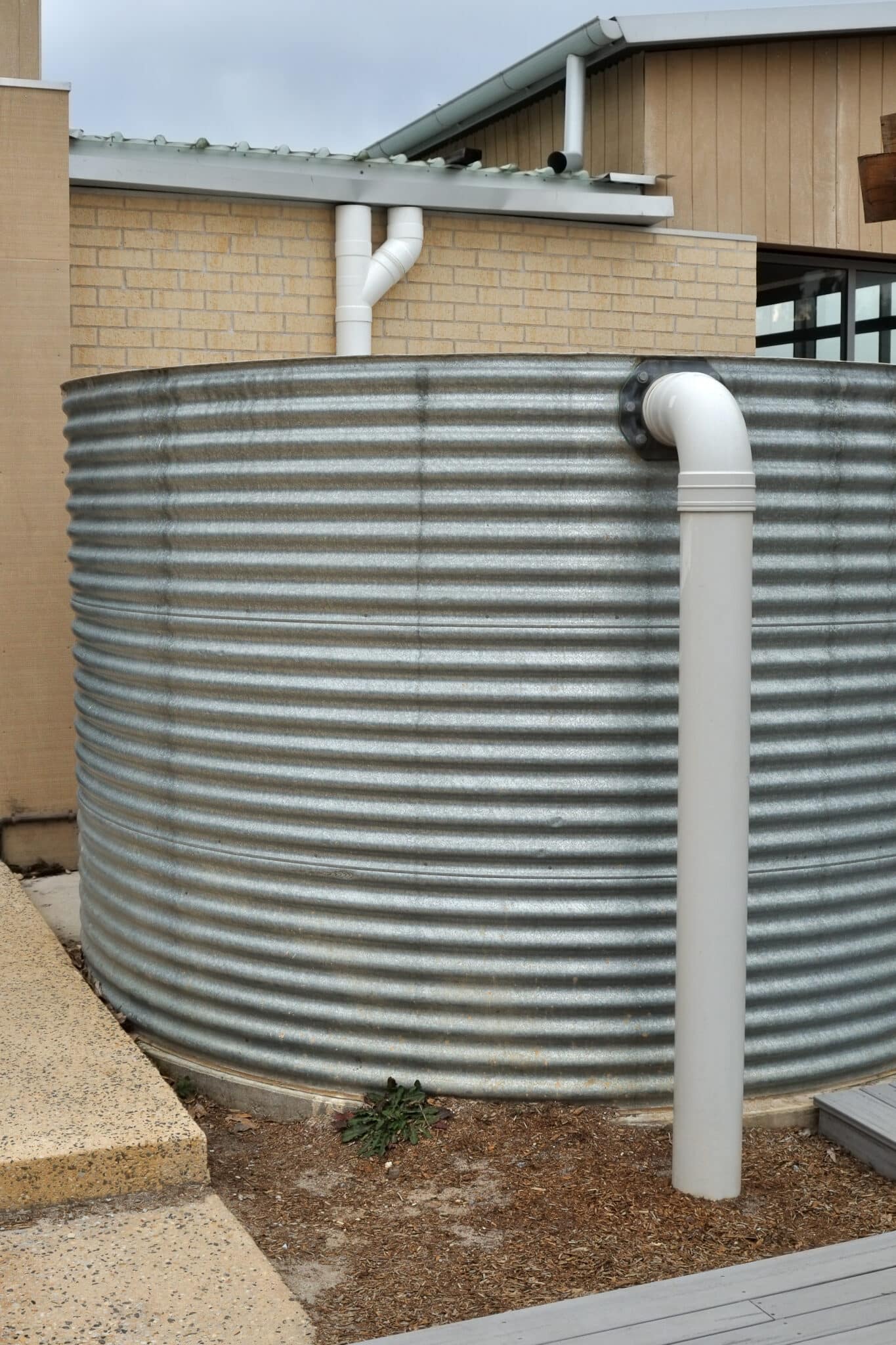
Rainwater harvesting systems represent an innovative addition to the array of water-saving upgrade ideas for University City homes. These systems collect and store rainwater for later use, such as watering gardens or flushing toilets, significantly reducing the demand on municipal water supplies. By leveraging the rainfall, homeowners can decrease their water bills while contributing to a more sustainable environment. It’s a practical solution that marries conservation with cost savings, appealing to eco-conscious residents.
In Kearny Mesa, CA, adopting rainwater harvesting can also play a crucial role in managing stormwater runoff. This reduces the burden on local drainage systems during heavy rains, minimizing the risk of flooding and erosion. By integrating these systems into their homes, residents not only conserve water but also support the health of their local ecosystem. It’s a community-focused approach that highlights the importance of individual actions in achieving broader environmental goals.
Moreover, rainwater harvesting systems are remarkably versatile, fitting various household needs and sizes. Whether it’s a simple barrel for garden watering or a more sophisticated system for indoor use, there’s an option for every homeowner. This flexibility makes it easier for University City residents to find a solution that aligns with their water-saving objectives. It demonstrates how customizable and accessible water conservation can be, encouraging more people to take part.
Finally, the implementation of rainwater harvesting systems across San Diego would amplify the positive impact on the region’s water conservation efforts. As more households embrace this technology, the cumulative savings on water could be substantial, underscoring the power of collective action. It’s a testament to how adopting water-saving upgrade ideas can lead to significant environmental and financial benefits, reinforcing the community’s commitment to sustainable living.
Water-Saving Upgrade Ideas for Outdoor Spaces
For homeowners in University City looking to enhance their outdoor spaces, incorporating water-saving upgrade ideas is both eco-friendly and economical. Drip irrigation systems are a standout choice, delivering water directly to the roots of plants. This method minimizes evaporation and runoff, ensuring that every drop of water is used efficiently. It’s an ideal solution for maintaining lush gardens without the high water bill.
Another effective upgrade is the installation of soil moisture sensors in Kearny Mesa, CA. These devices measure the moisture level in the soil, allowing irrigation systems to activate only when necessary. By preventing overwatering, they not only save water but also promote healthier plant growth. It’s a smart way to keep landscapes thriving while conserving precious resources.
Mulching is a simple yet powerful technique to reduce water evaporation from soil. By covering the ground around plants with mulch, homeowners can retain soil moisture and reduce the need for frequent watering. This natural method not only conserves water but also suppresses weeds, making garden maintenance easier and more sustainable.
Lastly, choosing native plants for landscaping is a water-saving upgrade idea that benefits the entire San Diego area. Native plants are adapted to the local climate and require less water than non-native species. This approach reduces the demand on water supplies and supports local biodiversity. It’s a win-win for homeowners and the environment, promoting a greener, more water-efficient community.
Rebates and Incentives for Water-Efficient Upgrades
Exploring water-saving upgrade ideas becomes even more rewarding when you consider the rebates and incentives available to homeowners in University City. Many local and state programs offer financial incentives for adopting eco-friendly practices, making it easier to invest in water-efficient technologies. These rebates can significantly lower the cost of installing low-flow fixtures or smart irrigation systems, encouraging more residents to take part in water conservation efforts. It’s a practical way to make sustainable living more accessible to everyone.
Kearny Mesa, CA, residents can also benefit from these financial incentives, which cover a range of water-saving upgrades. From rainwater harvesting systems to high-efficiency appliances, there are numerous opportunities to reduce water use and save money. By taking advantage of these offers, homeowners can implement eco-friendly solutions without straining their budgets. It demonstrates how financial and environmental benefits can go hand in hand, promoting a more sustainable lifestyle.
Moreover, these incentives serve as a catalyst for community-wide participation in water conservation initiatives. When homeowners see the tangible benefits of making eco-friendly upgrades, they’re more likely to join the movement towards sustainability. This collective action not only enhances the environmental health of the area but also fosters a sense of community pride. It’s a powerful example of how individual choices, supported by incentives, can lead to significant communal gains.
Finally, staying informed about the latest rebates and incentives for water-saving upgrades is crucial for maximizing the benefits of these programs. Homeowners in University City and surrounding areas should regularly check with local water authorities and environmental agencies for updates. This proactive approach ensures that residents can make the most of available resources, furthering their commitment to water conservation. It’s a smart strategy for anyone looking to contribute to a more sustainable and cost-effective future.
Implementing Eco-Friendly Landscaping Techniques
Implementing eco-friendly landscaping techniques is a brilliant way to embrace water-saving upgrade ideas in University City. By selecting drought-resistant plants, homeowners can significantly reduce their garden’s water demand. This choice not only conserves water but also ensures that landscapes remain vibrant and beautiful, even in dryer conditions. It’s an effective strategy for those committed to sustainable living, making every drop of water count.
In Kearny Mesa, CA, creating a rain garden offers another innovative approach to water conservation. Rain gardens are designed to capture runoff water from roofs, driveways, and other hard surfaces, directing it to plants that thrive in wet conditions. This not only reduces the need for supplemental watering but also helps to replenish the local groundwater supply. It’s a natural solution that enhances the aesthetic and ecological value of outdoor spaces.
Incorporating permeable paving materials is a smart move for homeowners looking to improve their property’s water efficiency. These materials allow rainwater to seep through and naturally irrigate the ground below, rather than running off into storm drains. It’s a practical application of water-saving upgrade ideas that also reduces the risk of flooding, proving that eco-friendly choices can have multiple benefits.
Finally, educating oneself on the principles of xeriscaping can transform how residents of University City approach landscaping. Xeriscaping involves designing landscapes to minimize water use, incorporating elements like efficient irrigation systems and mulching to retain soil moisture. Adopting these practices not only saves water but also reduces maintenance needs, offering a low-effort way to maintain stunning gardens year-round. It’s a testament to how innovative water-saving upgrade ideas can lead to sustainable and self-sufficient outdoor living spaces.
Frequently Asked Questions
What are water-saving upgrade ideas?
Exploring water-saving upgrade ideas is key for University City homes aiming to cut utility bills and support the environment. Smart plumbing technologies, such as sensor-equipped faucets, efficiently reduce water waste. Low-flow fixtures, including showerheads and toilets, offer another effective solution by minimizing water use without sacrificing performance. These sustainable options not only promote eco-conscious living but also provide significant savings over time.
How can I reduce my water bill?
To lower your water bill, consider installing water-saving upgrades in your home. These include high-efficiency appliances and fixtures that use less water. Regular checks for leaks and fixing them promptly can also save gallons of water daily. Adopting these measures will not only reduce your monthly expenses but also contribute to a healthier planet.
Why are water-saving upgrades important?
Water-saving upgrades play a crucial role in conserving our planet’s precious resources. By reducing water use, these improvements help lower utility bills, making them a smart choice for homeowners. They also decrease the strain on local water systems, ensuring a sustainable future for our communities. Furthermore, adopting such eco-friendly measures supports environmental conservation efforts, showcasing our commitment to a healthier planet.
Can water-saving upgrade ideas increase home value?
Installing water-saving upgrades can indeed boost your home’s value. Potential buyers often look for eco-friendly features that promise lower utility costs. Features like low-flow toilets and smart irrigation systems make your property more attractive. Thus, adopting these improvements not only saves water but also enhances your home’s market appeal.
What are the costs of water-saving upgrades?
The cost of water-saving upgrades varies, depending on the type and scale. Simple fixes like aerators or low-flow showerheads are budget-friendly. More advanced systems, such as smart irrigation, require a bigger investment. However, these upgrades often pay for themselves over time through lower utility bills.
How to Silence a Noisy Water Heater
How to Silence a Noisy Water Heater
Are you being kept awake by the sounds of your noisy water heater? You’re not alone. Many homeowners in San Diego, CA, experience this common issue, leading to restless nights and concerns about their hot water system’s efficiency and safety. Understanding the root causes and finding effective solutions can transform your experience, restoring peace and reliability to your home.
In Linda Vista, CA, the tranquility of residential areas is often disrupted by the unexpected concert of banging, rumbling, or whistling sounds emanating from water heaters. These noises are not just a nuisance, they signal that your water heating system may require attention. Identifying these sounds early can prevent more serious problems down the line, ensuring your system operates smoothly and quietly.
Fortunately, addressing a noisy water heater doesn’t always require a major overhaul. Simple fixes can significantly reduce or eliminate the disturbance, enhancing the quietness and efficiency of your water heating system. From sediment buildup to pressure fluctuations, understanding the cause is the first step toward a quieter home.
Why do San Diego homeowners trust their peace and comfort to experts? Because they know the value of a properly functioning, quiet water heater. By seeking professional advice, you can ensure that your system not only runs silently but also safely and efficiently, protecting your home and your family’s well-being.
Understanding Your Noisy Water Heater
To understand why your water heater is making noise, it’s essential to dive into the common causes. Sediment accumulation is often the culprit, where minerals from hard water settle at the bottom of the tank. In areas like San Diego, CA, the water supply can contribute to this buildup, leading to popping or rumbling noises as water heats. Regular maintenance can prevent sediment from reaching levels that disrupt your peace and quiet.
Another reason for a noisy water heater might be the heating elements. When these components start to wear out, they can produce a variety of sounds, from hissing to sizzling. This issue is particularly common in electric water heaters, where the elements are in direct contact with water. Replacing faulty elements can silence these noises and restore your system’s efficiency.
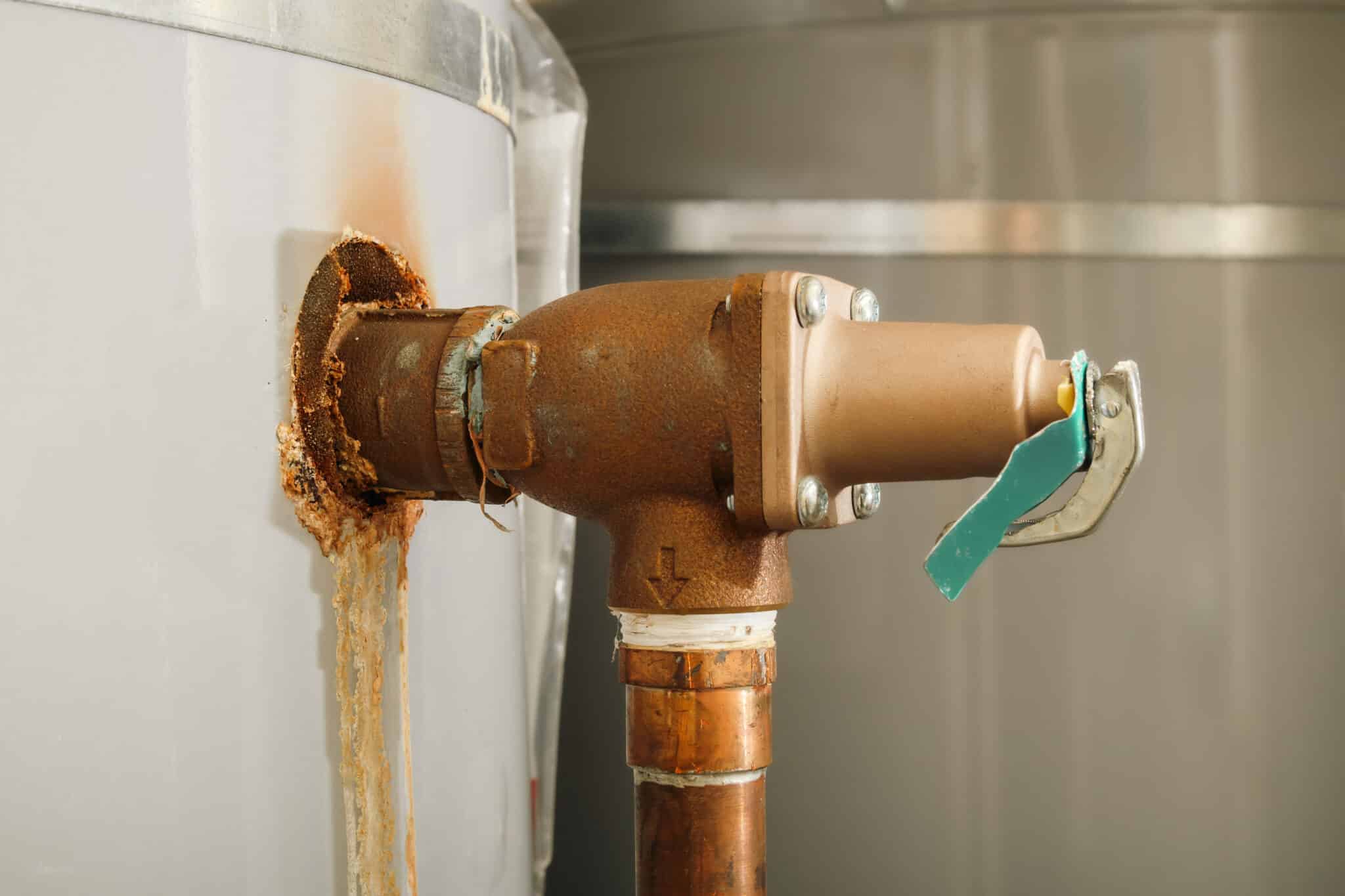
Pressure fluctuations within your plumbing system can also lead to a noisy water heater. When the pressure is too high, it can cause the tank to expand and contract, resulting in banging or knocking sounds. Installing a pressure-reducing valve can alleviate this problem, ensuring a quieter and more stable operation of your hot water system.
Lastly, it’s worth checking the anode rod if your water heater is still noisy. This rod protects the tank from corrosion but can produce noise if it deteriorates or if the tank is corroding. Replacing the anode rod is a straightforward fix that can extend the life of your water heater while reducing noise. By understanding these potential issues, homeowners can take proactive steps to ensure their water heating system remains silent and efficient.
When San Diego homeowners face the challenge of a noisy water heater, they often start by examining the water source. The city’s water, with its unique mineral content, can accelerate sediment buildup inside the tank. This accumulation is a primary cause of the unsettling noises as it interferes with the heating process. Regular flushing of the tank can help mitigate this issue, ensuring a quieter operation.
In addition to sediment, the heating elements within the water heater play a crucial role in its overall noise level. Over time, these elements can degrade or become coated with mineral deposits, leading to a range of sounds from crackling to buzzing. Replacing these worn or encrusted elements can restore the system’s quiet and efficient performance. This step is especially beneficial for electric water heaters, where direct contact with water intensifies the noise.
Pressure fluctuations within the plumbing system present another common issue for homeowners in Linda Vista, CA. Excessive pressure can cause the water tank to make loud banging or knocking sounds as it adjusts to the stress. Installing a pressure-reducing valve not only reduces these noises but also protects the system from potential damage. This fix contributes to a more stable and quiet operation, enhancing homeowner comfort.
Lastly, the condition of the anode rod should not be overlooked when addressing a noisy water heater. This rod acts as a shield against corrosion inside the tank, but it can become a noise source if it wears down or if corrosion progresses unchecked. Replacing the anode rod is an effective solution that not only quiets the system but also prolongs the tank’s lifespan. Through understanding and addressing these common causes, homeowners can enjoy the benefits of a silent and efficient water heater.
Step-by-Step Guide to Quieting Your Water Heater
If your water heater’s noise is keeping you up at night, a step-by-step guide can help you restore peace. Start by flushing the tank to remove sediment buildup, a primary cause of rumbling and popping sounds. This process involves draining the water from your heater to clear out the minerals that have settled at the bottom. Regular flushing, at least once a year, can significantly reduce noise and enhance the system’s efficiency.
Next, inspect the heating elements, especially if you have an electric water heater. Over time, these elements can wear out or get coated with sediment, leading to various noises. Replacing old or encrusted heating elements can quiet those annoying sounds and improve your water heater’s performance. It’s a simple fix that can make a big difference in reducing the noise level.
Another effective step is to install a pressure-reducing valve if you’re experiencing loud banging or knocking sounds. These noises often result from pressure fluctuations within your plumbing system, causing the tank to expand and contract. A pressure-reducing valve will stabilize the pressure, ensuring a quieter operation and preventing potential damage to your water heater.
Lastly, don’t overlook the anode rod, which protects your tank from corrosion. If the rod wears down or if corrosion is already occurring, it can contribute to the noise. Replacing the anode rod is a straightforward solution that not only quiets your water heater but also extends its lifespan. By following these steps, homeowners can effectively silence their noisy water heater and enjoy a more peaceful home.
When to Call a Professional for Your Noisy Water Heater
While tackling a noisy water heater through DIY methods can be effective, there are instances when it’s best to seek professional help. If after performing the recommended fixes, such as flushing the tank or replacing parts, the noise persists, this could indicate a more complex issue. Professionals have the tools and expertise to diagnose and resolve problems that go beyond basic maintenance. They can ensure your water heater operates efficiently and quietly, providing peace of mind to homeowners in San Diego, CA.
Sometimes, the problem with a noisy water heater may stem from its installation or an underlying issue within your home’s plumbing system. In such cases, attempting to fix the problem without the proper knowledge can lead to further damage. A professional plumber can assess whether the installation is correct or if there are issues like incorrect pipe sizes contributing to the noise. This expertise is particularly valuable in areas like Linda Vista, CA, where local water conditions may affect plumbing systems differently.
Regular maintenance by a professional can also prevent your water heater from becoming noisy in the first place. Experts recommend annual inspections to catch and address potential problems early. During these check-ups, a professional can spot signs of wear or sediment buildup before they lead to bigger issues. This proactive approach helps extend the lifespan of your water heater, ensuring it remains a silent provider of hot water for your home.
Ultimately, calling a professional for your noisy water heater is a smart decision when DIY fixes don’t cut it or when you’re unsure of the problem’s source. Professionals not only offer a long-term solution but also save homeowners from the frustration and potential risks of handling complex water heater issues themselves. Trusting an expert with your water heater challenges ensures your system remains in top shape, providing quiet and efficient service to your home.
The Role of Maintenance in Preventing Water Heater Noises
Maintaining your water heater regularly is key to preventing those disruptive noises. In San Diego, CA, homeowners recognize that a little attention goes a long way. By scheduling annual check-ups, you can catch issues like sediment build-up or wear on parts before they escalate. This proactive approach not only keeps your water heater running quietly but also enhances its efficiency.
Professionals often emphasize the importance of maintenance to avoid a noisy water heater. For instance, in Linda Vista, CA, the unique water quality can accelerate sediment accumulation. A professional can flush your system, check for any signs of corrosion, and replace parts as needed. These steps help in maintaining a silent operation, ensuring your peace of mind.
Another aspect of maintenance involves inspecting the anode rod and pressure relief valves. These components are crucial for your water heater’s health and quiet operation. If the anode rod is corroded or the pressure relief valve is faulty, it could lead to noise issues. Regular checks allow for timely replacements, preventing a noisy water heater and potential leaks.
Lastly, understanding your water heater’s needs can significantly reduce the likelihood of noise problems. Each home in San Diego, CA, has different water usage patterns, which can affect the water heater’s performance. By tailoring the maintenance schedule to fit your specific needs, you ensure a quieter, more efficient system. This tailored approach not only extends the lifespan of your water heater but also keeps those bothersome noises at bay.
Paws Plumbing Solutions for a Silent Water Heater
Paws Plumbing has become the go-to solution for homeowners in San Diego, CA, struggling with a noisy water heater. Their team of experts understands the intricacies of various water heating systems and employs a comprehensive approach to diagnosing and fixing noise issues. By using advanced tools and techniques, they ensure your water heater operates smoothly and silently. This dedication to excellence transforms a noisy water heater into a quiet, efficient appliance, enhancing your home’s comfort.
In Linda Vista, CA, the mineral-rich water can accelerate sediment buildup, a common noise culprit in water heaters. Paws Plumbing tackles this problem head-on by performing thorough system flushes and maintenance checks. They also replace worn-out parts, such as heating elements and anode rods, which are often responsible for the unsettling sounds. Their proactive measures not only silence the water heater but also prolong its lifespan, offering homeowners peace of mind.
Understanding that every home has unique needs, Paws Plumbing tailors its services to address specific concerns related to noisy water heaters. Whether it’s adjusting the pressure relief valve to prevent banging sounds or inspecting for signs of corrosion, their attention to detail ensures a customized solution. This personalized approach not only resolves current issues but also helps avoid future problems, keeping water heaters in optimal condition.
Lastly, Paws Plumbing emphasizes the importance of regular maintenance to prevent the recurrence of a noisy water heater. They offer annual inspection services, which are crucial for identifying potential issues before they escalate. Homeowners in San Diego, CA, and surrounding areas trust Paws Plumbing to keep their water heaters running quietly and efficiently, securing their investment and ensuring a serene home environment.
Enhancing Water Heater Efficiency and Longevity
Enhancing the efficiency and longevity of your water heater not only quiets it but also saves energy and money over time. In San Diego, CA, homeowners can achieve this by insulating the water heater and its pipes. This simple step reduces heat loss, allowing the water heater to maintain its temperature more efficiently and operate less frequently. Consequently, less operation means less noise, making your home more peaceful.
Regularly draining and flushing out the tank plays a crucial role in preventing the buildup of sediment, which is a common cause of a noisy water heater. By removing these sediments, which accumulate faster in areas like Linda Vista, CA, due to the mineral content in the water, the water heater functions more quietly and efficiently. This process also reduces the strain on the water heater, extending its service life and ensuring it operates at peak efficiency.
Adjusting the temperature setting on your water heater can also contribute to its longevity and efficiency. Setting the temperature too high not only increases the risk of scalding but also causes your water heater to work harder, which can lead to more noise. By keeping the temperature at a recommended setting, homeowners can reduce wear on the system’s components, lowering the chances of a noisy water heater while saving on energy costs.
Lastly, scheduling annual inspections with a professional ensures that any potential issues are identified and addressed before they become serious problems. This proactive approach helps maintain the water heater’s efficiency and quiet operation. It also provides an opportunity to check for any parts that need to be replaced, such as the anode rod or pressure relief valve, further extending the lifespan of the water heater and contributing to a tranquil home environment.
Safety Considerations for DIY Water Heater Repairs
While attempting to fix a noisy water heater, homeowners should prioritize safety above all. Before starting any repairs, turning off the power supply is crucial to prevent accidents. Whether dealing with an electric or gas water heater, this step ensures a safe environment for DIY tasks. It’s a simple but vital action that safeguards against potential hazards.
In San Diego, CA, the complexity of water heater systems can vary, making some DIY repairs risky. Homeowners should assess their skill level and the nature of the problem before proceeding. If the issue involves electrical components or gas lines, it’s safer to consult a professional. This cautious approach helps avoid turning a minor noise issue into a major safety concern.
Moreover, using the right tools and protective gear is essential when tackling a noisy water heater. Gloves and goggles can protect against burns and flying debris, especially during tasks like flushing the tank or replacing parts. These precautions are not just about comfort, they’re about preventing injuries while managing repairs in places like Linda Vista, CA.
Lastly, understanding when to step back is key to safely addressing a noisy water heater. If the repair seems too complex or if there’s uncertainty about the problem’s source, calling a professional is the wisest choice. This decision not only ensures the safety of the homeowner but also protects the water heater from further damage, promoting a quiet and efficient operation.
A noisy water heater often signals sediment buildup at the bottom. This buildup causes water to bubble up, creating rumbling sounds. Regular maintenance can prevent these noises by removing sediment. Trust Paws Plumbing in San Diego to keep your water heater quiet and efficient.
How can I fix a noisy water heater?
To fix a noisy water heater, start by flushing out sediment, which often reduces the rumbling sounds. If the noise persists, check the temperature setting, too high can cause knocking. Insulating the pipes may also help silence the banging noises. For expert guidance, San Diego residents rely on Paws Plumbing to ensure their water heaters run quietly and efficiently.
What causes a noisy water heater?
A noisy water heater often points to sediment buildup at its base. This accumulation forces water to push through, creating unsettling sounds. Another culprit could be a high temperature setting, leading to boiling noises. Homeowners in San Diego trust Paws Plumbing to diagnose and fix these issues, ensuring a quiet and efficient system.
Can insulation help silence a noisy water heater?
Yes, insulation can effectively reduce noise from a water heater. Wrapping the tank in an insulation blanket helps muffle the sounds. It also improves energy efficiency by keeping the water warmer for longer. San Diego homeowners often turn to Paws Plumbing for help with insulating their noisy water heaters.
Should I call a professional for a noisy water heater?
Yes, calling a professional for a noisy water heater is a wise choice. Experts like Paws Plumbing have the tools and knowledge to safely diagnose and fix the issue. They can also perform maintenance to prevent future problems. Trusting a professional ensures your water heater runs quietly and efficiently.
Upgrade Your Home With Smart Water Tech
Upgrade Your Home With Smart Water Tech
In today’s rapidly evolving world, smart water tech is revolutionizing how we manage water in our homes. From leak detection to water-saving fixtures, this technology offers a seamless blend of convenience and efficiency. Residents of San Diego, CA, are increasingly embracing these innovations, recognizing the dual benefits of reducing water bills and supporting sustainable living. It’s a transformative approach to water management that aligns perfectly with the lifestyle and values of the local community.
Smart water tech isn’t just about saving money, it’s also about gaining control over your home’s water use. Automated control systems allow homeowners to monitor and adjust their water usage with unprecedented precision. Whether you’re in bustling Linda Vista, CA, or the quieter outskirts of San Diego, this technology offers peace of mind by ensuring that every drop of water is used optimally. It’s a step forward in making homes smarter and more responsive to our needs.
Moreover, the environmental impact of adopting smart water tech cannot be overstated. By minimizing waste and conserving water, we contribute to a larger effort to protect our planet. This is particularly relevant in San Diego, where water conservation is not just a matter of personal savings but a community-wide priority. Smart water tech empowers individuals to be part of the solution, effortlessly merging eco-consciousness with modern living.
As we delve deeper into the benefits and possibilities of smart water tech, it’s clear that this technology is more than a trend, it’s a fundamental shift in how we interact with one of our most precious resources. For homeowners in San Diego and Linda Vista, CA, exploring smart water tech means taking a significant step towards a more efficient, sustainable, and cost-effective future. This journey towards smarter water management starts with understanding the impact and potential of these innovative solutions.
The Basics of Smart Water Tech for Your Home
Understanding the basics of smart water tech can significantly enhance how we use water at home. This innovative technology encompasses devices and systems designed to monitor, control, and manage water usage efficiently. In San Diego, CA, where water conservation is crucial, adopting such technology can lead to substantial savings on water bills. It’s an investment in both the environment and your wallet, making it an appealing choice for homeowners.
Smart water tech includes leak detection systems that alert you to any water wastage in real-time. This feature is particularly valuable because it can prevent minor leaks from turning into major issues, saving homeowners in Linda Vista, CA, from costly repairs. By catching problems early, these systems not only protect your home but also conserve precious water resources. It’s a proactive approach to home maintenance that pays off in the long run.
Water-saving fixtures are another critical component of smart water tech. These fixtures, such as low-flow showerheads and faucets, are designed to use water more efficiently. By installing these in your home, you’re taking a significant step toward reducing your overall water consumption. This not only lowers your utility bills but also supports sustainable living practices, aligning with San Diego’s community-wide efforts to save water.
Automated control systems offer the ultimate convenience by allowing homeowners to manage their water usage with just a few clicks. Whether you’re at home or away, you can adjust settings to ensure that your water usage is optimized for efficiency. This level of control is not only empowering but also contributes to a more sustainable lifestyle. As more people in San Diego embrace smart water tech, we move closer to a future where water is used wisely and sustainably.
How Smart Water Tech Saves Money on Your Bills
Smart water tech not only enhances the efficiency of water use in homes but also plays a significant role in reducing monthly bills. By integrating systems like leak detection, homeowners in San Diego, CA, can identify and address water wastage promptly. This immediate response prevents the escalation of minor issues into costly repairs, effectively keeping water bills to a minimum. Consequently, investing in this technology pays dividends by safeguarding both your home and your budget.
Another way smart water tech contributes to financial savings is through the installation of water-saving fixtures. Devices such as low-flow toilets and showerheads drastically cut down on the amount of water used in daily activities. For residents in Linda Vista, CA, making these changes can lead to a noticeable decrease in water bills over time. It’s a straightforward adjustment that yields long-term benefits for both the wallet and the environment.
Automated control systems further underscore the financial advantages of smart water tech by offering unparalleled control over water consumption. With the ability to adjust settings remotely, homeowners can ensure that their water usage is always at its most efficient, regardless of their location. This level of management not only contributes to lower utility bills but also promotes a more conscientious use of resources. It’s a win-win for individuals seeking to optimize their home’s water use while being mindful of their expenses.
Ultimately, the adoption of smart water tech is a smart financial decision for those looking to reduce their living costs. The combination of leak detection, water-saving fixtures, and automated control systems creates a powerful toolset for managing water usage effectively. By embracing these technologies, homeowners in San Diego and beyond can enjoy the dual benefits of supporting sustainable living and experiencing significant savings on their water bills. It’s a practical approach to modern living that aligns with the values of efficiency and conservation.
The Role of Leak Detection Systems in Preventing Water Waste
Leak detection systems, a cornerstone of smart water tech, offer a proactive approach to managing water in our homes. By alerting homeowners in San Diego, CA, to the smallest of leaks, these systems can prevent a minor drip from evolving into a significant problem. This early detection is crucial, saving both water and money by avoiding extensive repairs. It’s an efficient way to keep our homes safe and water-efficient.
Incorporating smart water tech into our daily lives goes beyond just identifying leaks, it also educates us on the importance of water conservation. Residents of Linda Vista, CA, can attest to the peace of mind that comes from knowing their homes are guarded against unforeseen water waste. This technology empowers homeowners to take immediate action, ensuring that every drop of water is accounted for and used wisely. It’s a step towards more responsible and informed water usage.
The integration of smart water tech, particularly leak detection systems, into our homes does more than just prevent water waste. It also acts as a guardian of our environment by conserving precious resources. Every prevented leak contributes to the sustainability efforts in our communities, aligning with the broader goal of preserving our planet for future generations. It’s a testament to how technology can be harnessed for the greater good.
Finally, the adoption of smart water tech, especially leak detection, is a smart investment in the longevity of our homes. It ensures that homeowners in San Diego and beyond can enjoy not just the financial savings but also the environmental benefits. By embracing these innovative solutions, we move closer to a future where our homes are not only more efficient but also more in harmony with the world around us. It’s a clear reflection of how technology and environmental stewardship can go hand in hand.
Smart Water Tech and Sustainable Living in San Diego
Embracing smart water tech is a significant step towards sustainable living in San Diego, CA. This technology not only conserves water but also plays a crucial role in preserving our natural resources. By integrating systems like automated control and efficient fixtures into our homes, we actively contribute to a greener planet. It’s a commitment to eco-friendly living that resonates with the values of the community.
In Linda Vista, CA, residents recognize the importance of sustainability and how smart water tech can aid in achieving it. These innovative solutions offer a practical way to reduce our ecological footprint by minimizing water waste. As more people adopt these technologies, we collectively make a positive impact on the environment. It’s a powerful example of how individual actions can lead to significant community benefits.
Moreover, smart water tech supports the idea of living more consciously and responsibly. It allows homeowners to understand their water usage patterns better and make informed decisions to use water more efficiently. This awareness is key to fostering a culture of sustainability where every action counts. It’s about making smarter choices today for a healthier planet tomorrow.
Finally, the journey towards sustainable living in San Diego is greatly enhanced by the adoption of smart water tech. This movement towards eco-consciousness is not just about saving water or reducing bills, it’s about creating a sustainable future for generations to come. By choosing smart water tech, we embrace a lifestyle that prioritizes the well-being of our environment, proving that modern living and environmental stewardship can indeed go hand in hand.
Installation Process: Upgrading to Smart Water Fixtures
Upgrading your home with smart water tech starts with a straightforward installation process. Choosing the right fixtures is the first step, ensuring they meet the efficiency and technology standards for your San Diego home. Professionals can assess your current system, recommend upgrades, and provide a seamless transition to smarter water usage. This approach not only modernizes your home but also aligns with sustainable living practices.
Next, the installation of smart water fixtures, such as advanced showerheads and faucets, is carried out with precision. Technicians in Linda Vista, CA, are skilled at integrating these systems without disrupting your daily routine. They ensure that each fixture is correctly installed and fully operational, providing immediate benefits in water conservation and cost savings. The process is quick, efficient, and designed to meet your specific needs.
After installation, homeowners receive guidance on how to maximize the benefits of their new smart water tech. This includes understanding how to monitor water usage, detect leaks early, and adjust settings for optimal efficiency. With this knowledge, residents can take full control of their water consumption, making informed decisions that contribute to a more sustainable lifestyle. It’s a step towards more conscious living, where every drop of water is used wisely.
Finally, the ongoing support for your smart water tech ensures that your system remains up-to-date and effective. Regular check-ups and updates can be scheduled to keep everything running smoothly. This proactive approach minimizes the risk of future issues and maximizes the lifespan of your smart water fixtures. It’s a long-term investment in your home’s efficiency, comfort, and environmental footprint, offering peace of mind and significant savings over time.
The Benefits of Automated Water Control Systems
Exploring the benefits of smart water tech, we find that automated water control systems stand out for their ability to revolutionize home water management. These systems enable homeowners in San Diego, CA, to effortlessly adjust their water usage in real-time, ensuring efficiency and conservation. With the power to control water settings from anywhere, these systems offer unparalleled convenience. They represent a significant leap forward in our ability to manage our environmental footprint, making sustainable living a practical reality.
In addition to convenience, automated water control systems provide an essential tool for leak prevention and early detection. This aspect of smart water tech is particularly beneficial for residents in Linda Vista, CA, who seek to maintain their homes’ integrity and avoid unnecessary water waste. By receiving instant alerts to potential leaks, homeowners can act swiftly to address issues before they escalate. This proactive approach not only saves water but also protects the home from potential water damage.
Moreover, the integration of smart water tech into our daily lives encourages a deeper understanding of our water consumption patterns. This technology offers detailed insights into how water is used within the home, empowering users to make informed decisions about their consumption habits. As a result, individuals can identify areas where they can reduce usage, contributing to significant savings on their water bills over time. It’s a win-win situation that enhances both financial savings and environmental sustainability.
Finally, the adoption of automated water control systems signifies a commitment to future-proofing our homes against the challenges of water scarcity. By optimizing water use today, we lay the groundwork for a more sustainable tomorrow. This technology not only aligns with the eco-conscious values of communities in San Diego but also sets a standard for responsible living. It’s a testament to how smart water tech is not just an investment in our homes but also in the health of our planet.
Smart Water Tech Maintenance and Troubleshooting
Maintaining smart water tech ensures its longevity and efficiency, crucial for homeowners in San Diego, CA. Regular check-ups can prevent minor issues from becoming major problems, saving both water and money. This proactive approach keeps technology running smoothly, allowing for optimal water usage. It’s an essential step in ensuring that the benefits of smart water tech continue to support sustainable living.
Troubleshooting is an integral part of smart water tech maintenance. When homeowners in Linda Vista, CA, encounter issues, quick action can often resolve them without the need for professional intervention. Understanding common problems and their solutions empowers users to manage their systems effectively. This knowledge not only enhances the user experience but also minimizes downtime, ensuring continuous efficiency.
Educating oneself on the nuances of smart water tech can significantly enhance its benefits. Many manufacturers provide resources that help users understand their systems better. By taking advantage of these materials, homeowners can optimize their water usage, further contributing to conservation efforts. It’s a valuable practice that maximizes both the financial and environmental advantages of smart water tech.
Finally, staying updated with the latest advancements in smart water tech is beneficial. Upgrades and new features can improve system performance and efficiency. Homeowners who keep their systems current enjoy the latest in water conservation technology. This commitment to staying informed not only elevates the home’s value but also reinforces a household’s dedication to sustainable living.
Comparing Traditional vs. Smart Water Systems
When considering the upgrade from traditional water systems to smart water tech, the benefits become immediately apparent. Traditional systems lack the ability to provide real-time data and control, leaving homeowners in San Diego, CA, in the dark about their water usage. Smart water tech, on the other hand, offers detailed insights and the power to adjust settings remotely, ensuring water is used efficiently. This technological advancement not only conserves water but also significantly reduces monthly bills.
The proactive leak detection offered by smart water tech is a game-changer compared to the reactive nature of traditional systems. In the past, leaks could go unnoticed until they caused significant damage, especially in areas like Linda Vista, CA, where homes might be older. Smart systems alert homeowners the moment a leak is detected, allowing for immediate action to prevent further damage. This feature alone can save a considerable amount of water and money over time.
Installation of smart water tech also promotes a more sustainable lifestyle, a stark contrast to traditional systems. Traditional water systems offer limited control over water use, making it challenging to conserve water. With smart tech, homeowners can easily adjust their water consumption habits, contributing to environmental conservation efforts. It’s a step towards a more responsible use of resources, aligning with the values of eco-conscious communities.
Finally, the long-term savings associated with smart water tech cannot be overstated. While traditional systems may seem less expensive initially, the cost savings from reduced water waste and lower utility bills with smart tech quickly offset the initial investment. Homeowners who make the switch are investing in the future, not just in terms of their finances but also in the sustainability of their community and the planet. Smart water tech represents a forward-thinking approach to water management that benefits everyone.
Smart water tech involves innovative gadgets that manage your home’s water use. These devices detect leaks, control water flow, and track usage to save money. They also help in making your San Diego home more eco-friendly. By integrating this technology, you can enjoy lower bills and a sustainable lifestyle.
How does it reduce water bills?
Smart water tech minimizes water bills by pinpointing leaks early, preventing costly damage and waste. It also optimizes water usage, ensuring you only use what you need. Automated systems can adjust flows for efficiency, cutting down unnecessary consumption. These innovations lead to significant savings, making them a smart choice for San Diego homes.
Can it detect leaks early?
Yes, smart water tech excels at detecting leaks early on. This technology uses sensors to monitor water flow and identify unusual patterns. By catching leaks quickly, it prevents major damage and conserves water. Homeowners in San Diego find this feature especially valuable for protecting their property and saving on water bills.
Who benefits from Smart Water Tech?
Everyone can benefit from smart water tech, from eco-conscious homeowners to busy families in San Diego. It offers peace of mind by preventing leaks and conserving water. Not only does it support sustainable living, but it also lowers monthly bills. Ultimately, smart water tech is a wise investment for anyone looking to enhance their home’s efficiency.
Is Smart Water Tech easy to install?
Installing smart water tech is straightforward for most homeowners in San Diego. Many systems are designed for easy setup, with clear instructions. Professionals can also quickly install more complex setups, ensuring everything works perfectly. This makes it convenient to start enjoying the benefits of smart water technology right away.
Clean Pipes, Clean Home: Here’s How
Clean Pipes, Clean Home: Here’s How
Keeping your home’s plumbing in top condition is crucial for a clean and healthy living environment. In San Diego, CA, where the climate can range from sunny and dry to cool and moist, maintaining clean pipes is not just a matter of hygiene but also of home efficiency. Clean pipes ensure that water flows smoothly, reducing the risk of blockages and leaks that can lead to costly repairs. This is why understanding the importance of clean plumbing is the first step towards a well-maintained home.
In areas like Kearny Mesa, CA, where water quality can vary, the condition of your plumbing can significantly impact the water you use daily. Clean pipes are synonymous with clean water, free from contaminants that can affect your health. By prioritizing the cleanliness of your plumbing, you’re also ensuring that the water in your home is safe for drinking, cooking, and bathing. It’s a simple yet effective way to protect your family’s health and well-being.
But how exactly do clean pipes contribute to a cleaner home? It’s all about preventing the buildup of sediments and reducing the risk of clogs that can lead to unsanitary conditions. When pipes are clean, there’s less chance for bacteria and mold to develop, which are common in damp environments. This not only keeps your water clean but also the air in your home, making it a safer place for everyone.
Moreover, adopting simple steps and expert tips for maintaining clean pipes can save you from the inconvenience and expense of emergency plumbing issues. Regular maintenance checks, being mindful of what goes down your drains, and using eco-friendly cleaning methods are just a few ways to keep your plumbing in pristine condition. By ensuring your pipes are clean, you’re not just looking after your home’s hygiene but also its overall functionality and longevity.
The Importance of Maintaining Clean Pipes
Maintaining clean pipes is vital for any home, especially in a bustling city like San Diego, CA. The process not only ensures that your water is safe and clean but also plays a crucial role in the overall hygiene of your home. By preventing the buildup of sediments and debris, clean pipes keep the water flowing freely. This reduces the risk of blockages that can cause backups and potentially lead to unsanitary conditions within your home.
Regular checks and maintenance are key to keeping your plumbing syshttps://pawsplumbing.com/blog/plumbing-scale-buildup/tem in top condition. Homeowners should be vigilant about what goes down their drains to avoid clogs and buildup. Simple habits, such as using sink strainers and avoiding pouring grease down the kitchen sink, can significantly contribute to maintaining clean pipes. These practices help in preventing the accumulation of materials that can obstruct water flow and degrade pipe quality over time.
In Kearny Mesa, CA, the quality of water running through your pipes can be affected by various factors, including the condition of your plumbing. Ensuring your pipes are clean can lead to better water quality, which is essential for daily activities such as cooking, cleaning, and bathing. Clean pipes are less likely to harbor bacteria and other contaminants that can compromise your water’s safety. As a result, taking steps to maintain clean plumbing is directly linked to protecting your family’s health and well-being.
Adopting eco-friendly cleaning methods for your plumbing is another effective way to maintain clean pipes. These methods not only safeguard the environment but also preserve the integrity of your plumbing system by avoiding harsh chemicals. Techniques such as using baking soda and vinegar for drain cleaning are not only effective but also gentle on your pipes. By incorporating these simple yet effective maintenance tips, you can ensure that your home’s plumbing remains in optimal condition, contributing to a cleaner, healthier home environment.
Identifying common pipe problems is a crucial step in maintaining clean pipes. In Kearny Mesa, CA, homeowners often face issues like slow drains which signal a blockage. Regularly checking for water discoloration can also indicate rust or sediment buildup inside pipes. By recognizing these signs early, you can prevent major plumbing issues and maintain a clean water supply.
In San Diego, CA, another common problem is leaky pipes, which not only waste water but also create damp conditions ideal for mold growth. Listening for unexpected sounds, like dripping or running water, helps in detecting leaks. A visible increase in water bills without a clear reason might also suggest hidden leaks. Addressing these issues promptly ensures clean pipes and a healthy home environment.
Preventive measures play a key role in avoiding pipe problems. Installing water softeners can combat hard water effects, which often lead to sediment accumulation in pipes. Additionally, being cautious about what goes down the drain prevents clogs and keeps pipes clean. Simple habits, such as not flushing non-degradable items, protect your plumbing system from unnecessary stress.
Finally, understanding the impact of seasonal changes on your plumbing can help in maintaining clean pipes. During cooler months, pipes are at risk of freezing and bursting, leading to potential contamination and water damage. Ensuring your pipes are properly insulated and addressing any issues before the cold sets in can save you from costly repairs. By staying vigilant and proactive, homeowners can enjoy the benefits of clean pipes and a healthy living environment.
DIY Solutions for Clean Pipes
Embracing DIY solutions for clean pipes can greatly enhance your home’s hygiene and functionality. In San Diego, CA, homeowners can easily tackle this task with common household items. For instance, a mixture of baking soda and vinegar poured down the drain creates a powerful, natural cleaning solution. This method not only clears minor clogs but also freshens up your pipes, keeping them free from odor and buildup.
Another effective strategy involves boiling water. Simply pouring hot water down your drains weekly can prevent the accumulation of oils and fats that could lead to blockages. This practice is especially useful in kitchens where grease and food particles are common culprits of clogged pipes. It’s a straightforward and cost-effective way to maintain clean pipes without the use of harsh chemicals.
For those facing more stubborn clogs in Kearny Mesa, CA, a plunger can provide a solution. A few vigorous plunges often dislodge blockages that are too tough for boiling water or baking soda mixtures. This tool is particularly effective in bathrooms, where hair and soap scum can create persistent clogs. It’s a simple yet powerful method to keep your plumbing flowing smoothly.
Lastly, investing in a drain snake or a plumber’s auger can be a wise decision for deeper clogs. These tools allow you to reach obstructions that are further down the pipe, providing a more thorough cleaning. While using these tools requires a bit more effort, they effectively restore flow to your pipes. By incorporating these DIY solutions, homeowners can ensure their plumbing remains in excellent condition, promoting a cleaner and healthier living environment.
When to Call a Professional for Pipe Cleaning
While DIY methods are effective for maintaining clean pipes, there are situations that require professional attention. In San Diego, CA, if you encounter persistent clogs that resist all home remedies, it’s time to call in experts. Professionals have the tools and expertise to diagnose and resolve issues without causing damage to your plumbing. They ensure that your pipes are thoroughly cleaned, promoting long-term hygiene and functionality.
Experiencing low water pressure throughout your home could indicate a more serious problem within your pipes. In Kearny Mesa, CA, such issues might stem from sediment build-up or even leaks that are not visible. A professional plumber can quickly identify the cause and restore your system to optimal performance. This not only secures clean pipes but also guarantees that your water flow is efficient and reliable.
Another sign that professional help is needed is when bad odors persist despite regular cleaning. These smells could be a symptom of deeper blockages or sewer line issues. Experts are equipped to handle these complex problems, ensuring that your home remains a clean and pleasant environment. Their intervention prevents minor issues from escalating into costly repairs, safeguarding your home’s hygiene.
Lastly, if you notice water discoloration, it’s crucial to consult with a plumbing professional. This could indicate rusting pipes or contamination that poses a risk to your health. Professionals in San Diego, CA, can assess your plumbing system and recommend the best course of action. By addressing these concerns promptly, you maintain clean pipes and protect the quality of your home’s water supply.
The Impact of Clean Pipes on Water Quality
Clean pipes play a pivotal role in ensuring the water quality in your home remains high. In San Diego, CA, where the demand for clean and safe water is constant, maintaining the integrity of your plumbing system is essential. Regularly cleaning your pipes prevents the accumulation of harmful contaminants. This proactive approach guarantees that the water flowing through your taps is both clean and safe for everyday use.
The relationship between clean pipes and water quality cannot be overstated. For residents in Kearny Mesa, CA, where water quality can vary, this is particularly true. Sediments, rust, and other impurities can easily compromise your water supply if pipes are not kept clean. Ensuring your plumbing is free from these contaminants is a straightforward measure to protect your health and well-being.
Moreover, clean pipes contribute to the longevity of your plumbing system and the sustainability of your water resources. By preventing blockages and maintaining a clear path for water to flow, you reduce the strain on your home’s plumbing. This not only extends the life of your pipes but also ensures that water is delivered efficiently, reducing waste and conserving this vital resource.
Finally, the importance of clean pipes extends beyond just the immediate benefits to water quality. It also impacts the overall hygiene of your home, creating a healthier environment for your family. Clean water is fundamental for cooking, cleaning, and personal hygiene, making the maintenance of clean pipes an essential task for every homeowner. By prioritizing the cleanliness of your plumbing, you’re investing in the health and safety of your living space.
Adopting preventative measures is essential for keeping your plumbing system free of blockages and maintaining clean pipes. In San Diego, CA, homeowners can start by installing hair catchers in shower drains. This simple step prevents hair from clogging the drains, ensuring water flows freely. Regularly removing and cleaning these catchers will keep your pipes in optimal condition.
Another effective strategy involves being mindful of what you flush down the toilet. Only human waste and toilet paper should be flushed, as other items like wipes, even those labeled as flushable, can lead to clogs. In Kearny Mesa, CA, residents have found that adopting this practice significantly reduces the frequency of plumbing issues. It’s a straightforward habit that contributes to the longevity and cleanliness of your pipes.
Using cold water to flush your kitchen drain after washing dishes can also help maintain clean pipes. This practice helps solidify and move grease and oil through the plumbing system before they can adhere to pipe walls. By incorporating this habit, homeowners can prevent the buildup that often leads to clogs and the need for costly repairs.
Lastly, scheduling regular plumbing inspections can catch potential issues before they escalate. A professional can identify and address minor problems, ensuring your pipes remain clean and functional. This proactive approach not only saves money in the long run but also maintains the hygiene and efficiency of your home’s plumbing system.
The Role of Clean Pipes in Home Hygiene
Clean pipes are the backbone of a hygienic home environment. In San Diego, CA, where diverse households thrive, ensuring the cleanliness of plumbing systems is key to maintaining a healthy living space. This practice prevents the growth of mold and bacteria, which are common in damp and neglected pipes. As a result, families enjoy cleaner air and a reduced risk of health issues associated with poor water quality.
In Kearny Mesa, CA, the emphasis on clean pipes extends to the kitchen, where the preparation of meals demands the highest standards of cleanliness. When pipes are free from blockages, water used for cooking and cleaning is cleaner and safer. This not only protects your family’s health but also enhances the taste and quality of your food. Keeping pipes clear ensures that every meal is prepared in a hygienic environment, contributing to the overall well-being of residents.
The bathroom is another area where clean pipes play a crucial role. Regularly flushing these pipes prevents the accumulation of soap scum and hair, which can lead to clogs and unsanitary conditions. By maintaining a clear water flow, residents ensure that their personal hygiene routines are supported by clean, uncontaminated water. This proactive approach to plumbing maintenance safeguards the health of everyone in the home.
Ultimately, clean pipes contribute to the longevity of your plumbing system and the sustainability of your home’s hygiene. Regular maintenance and mindful habits, such as avoiding harsh chemicals, protect the integrity of pipes and ensure they remain in optimal condition. By prioritizing the cleanliness of your plumbing, you invest in a healthier, more efficient home that stands the test of time, benefiting everyone who lives there.
Cost-Saving Benefits of Regular Pipe Maintenance
Regular maintenance of clean pipes goes beyond just keeping a home hygienic, it also presents significant cost-saving advantages. In San Diego, CA, homeowners who prioritize pipe cleanliness can avoid the hefty expenses associated with emergency plumbing repairs. By preventing blockages and the buildup of sediments, the need for professional intervention can be greatly reduced. This proactive approach ensures that plumbing systems remain in optimal condition, saving money in the long run.
Investing time in maintaining clean pipes can extend the lifespan of your plumbing system. In Kearny Mesa, CA, for instance, the water’s mineral content can accelerate the deterioration of pipes if not properly managed. Regular flushing and cleaning of pipes can mitigate the effects of hard water, preventing premature wear and tear. As a result, homeowners can delay the costly process of replacing pipes or undergoing extensive plumbing renovations.
Another cost-saving benefit of clean pipes is the improved efficiency of your home’s water system. When pipes are free from obstructions, water pressure remains consistent, and appliances that rely on water, like washing machines and dishwashers, operate more efficiently. This not only reduces the strain on these appliances but also lowers energy consumption. Consequently, households can enjoy reduced utility bills, contributing to overall savings.
Lastly, clean pipes contribute to better water quality, which can indirectly save money. With cleaner water circulating through the home, there’s less need for bottled water or extensive water filtration systems. This ensures that residents of San Diego, CA, can enjoy safe, clean water straight from the tap without incurring additional costs. Maintaining clean pipes, therefore, not only benefits the health of the household but also supports a more economical lifestyle.
Frequently Asked Questions
What are the benefits of clean pipes?
Keeping your pipes clean ensures your home stays hygienic and fresh. It helps avoid costly repairs by preventing blockages and leaks. Clean pipes also mean better water quality for drinking and bathing. Plus, this simple maintenance step can extend the lifespan of your plumbing system, saving you money in the long run.
How often should pipes be cleaned?
To maintain clean pipes, experts recommend a thorough cleaning at least once every two years. This schedule helps prevent buildup and ensures your plumbing operates smoothly. However, homes with heavy usage might need more frequent cleanings. Sticking to this routine keeps water flowing freely and avoids unexpected plumbing issues.
What tools are needed for clean pipes?
To achieve clean pipes, a few basic tools are essential. A plumber’s snake can help clear stubborn clogs deep within your pipes. For lighter blockages, a high-quality plunger is effective and easy to use. Baking soda and vinegar can also work wonders for maintaining cleanliness and preventing buildup. Lastly, a wrench is handy for tightening any loose fittings, ensuring everything stays in place.
Can DIY methods effectively clean pipes?
Yes, DIY methods can be quite effective for maintaining clean pipes. Many homeowners use a mix of baking soda and vinegar to break down clogs. This natural solution is gentle on pipes yet powerful against buildup. For regular maintenance, flushing hot water down the drains weekly helps keep them clear and odor-free.
Are chemical cleaners safe for pipes?
Chemical cleaners can be harsh on plumbing, potentially damaging pipes over time. It’s best to use them sparingly and follow the instructions carefully. For a safer option, consider natural alternatives like baking soda and vinegar. These gentle solutions keep pipes clean without the risk of harm.
Toilet Wax Ring Stop Base Leaks and Bad Odors
Toilet Wax Ring Stop Base Leaks and Bad Odors
Have you ever noticed a mysterious puddle around your toilet or an unpleasant odor you can’t quite pinpoint? These nuisances are often telltale signs of a failing toilet wax ring, a crucial component in your bathroom’s plumbing system. Situated at the base of your toilet, the wax ring creates a watertight seal between the toilet and the plumbing waste pipe. When it fails, it can lead to leaks and bad smells that no homeowner in places like Clairemont, CA, or anywhere else wants to deal with.
Understanding the symptoms of a failed wax seal is the first step in addressing this common yet overlooked issue. From water on the floor to a noticeable sewage smell, these indicators suggest it’s time to check the condition of your toilet wax ring. Residents in La Jolla, CA, experiencing these problems should take note, as the coastal humidity can exacerbate the issue, speeding up the deterioration of plumbing components.
Replacing a toilet wax ring might sound daunting, but it’s a basic task that can prevent further damage to your bathroom floor. With the right tools and a bit of patience, tackling this project can save you from more significant, costly repairs down the line. It’s all about recognizing the problem early and taking the necessary steps to fix it before moisture and odors become a persistent issue.
To prevent floor damage and keep your bathroom smelling fresh, maintaining the toilet wax ring should be on every homeowner’s maintenance checklist. Whether you’re in Clairemont, CA, La Jolla, CA, or beyond, understanding the importance of this component and how to care for it can make all the difference. Keeping an eye out for the signs of failure and knowing the basics of replacement can help ensure your bathroom remains clean, dry, and odor-free.
Identifying a Failed Toilet Wax Ring
Identifying a failed toilet wax ring is crucial for maintaining a healthy bathroom environment. When the seal deteriorates, it often starts with subtle signs that can be easy to overlook. For instance, if you notice water pooling around the base of your toilet, it’s a strong indicator that the wax ring is no longer functioning properly. This leakage can damage your bathroom floor over time, especially in humid areas like Clairemont, CA.
Another common symptom of a compromised wax ring is an unpleasant odor emanating from around the toilet. This smell is typically a result of sewer gases escaping due to the broken seal. Residents in La Jolla, CA, might find this issue particularly pressing, as the coastal air can carry these odors further into their homes. Addressing this problem promptly can prevent it from becoming a persistent nuisance.
It’s also important to listen for unusual sounds coming from your toilet, such as gurgling or bubbling. These noises can indicate that air is being pushed through the water in your toilet trap, a sign that the seal is not airtight. Such auditory clues should prompt a closer inspection of the toilet wax ring. Ignoring these sounds can lead to more significant issues down the line.
Lastly, if your toilet feels unstable or rocks when you sit on it, don’t ignore it. This movement can cause the wax ring to lose its seal even if it was properly installed initially. Regular checks for stability can help catch this issue early, preventing leaks and odors from becoming a problem. By staying vigilant and addressing these signs promptly, homeowners can ensure their bathrooms stay dry and odor-free.
After identifying the signs of a failing toilet wax ring, the next step is to remove the old one. Begin by turning off the water supply to your toilet to prevent any spills. Then, flush the toilet to drain the water from the bowl and tank, ensuring a dry workspace. This preparation is essential for residents in places like Clairemont, CA, where water conservation is a priority.
Next, disconnect the water supply line and unscrew the bolts that fasten the toilet to the floor. Carefully lift the toilet and place it aside, exposing the old wax ring. This might require some effort, so it’s wise to have help on hand. People living in La Jolla, CA, should take this opportunity to inspect for any moisture damage caused by the failed seal.
With the toilet removed, the old wax ring’s remnants will be visible on the flange and the toilet’s base. Use a putty knife to scrape off the old wax carefully, ensuring not to damage the flange. It’s important to remove all traces of the old wax to ensure a good seal with the new ring. During this process, keeping the area well-ventilated helps minimize odors.
Finally, before installing a new toilet wax ring, check the flange for any damage. If the flange is cracked or broken, it will need to be repaired or replaced to ensure a proper seal. Once the flange is in good condition, you’re ready to install the new wax ring and reseat the toilet. This step marks the beginning of restoring your bathroom’s functionality and hygiene, safeguarding your home against leaks and unpleasant smells.
Choosing the Right Toilet Wax Ring Replacement
Choosing the right toilet wax ring replacement is a crucial step in ensuring a leak-free and odorless bathroom. Various options are available, each designed to fit different toilet models and floor types. For homeowners in Clairemont, CA, selecting a ring that accommodates potential floor unevenness due to shifting soils can be particularly beneficial. Ensuring the new wax ring matches the toilet’s and flange’s specifications is key to creating a tight seal.
When shopping for a new toilet wax ring, you’ll find that they come in different thicknesses and materials. Those living in La Jolla, CA, might prefer thicker wax rings that can handle the area’s high humidity, preventing moisture from seeping through. Additionally, some wax rings include a polyethylene flange for an extra layer of sealant, offering enhanced protection against leaks. It’s important to assess your bathroom’s specific needs before making a selection.
Installation of the new toilet wax ring requires careful handling to maintain its integrity. Before setting the ring on the flange, ensure the toilet’s base and the floor area are clean and dry. This preparation prevents any debris from compromising the seal. Positioning the wax ring correctly the first time is crucial, as repositioning it can cause the wax to warp or break, leading to potential leaks.
After installing the new wax ring, reattaching the toilet to the floor is the final step. Securing the toilet firmly, without over-tightening, ensures the wax ring compresses evenly, creating a watertight seal. Regular checks for stability and leaks can extend the life of the wax ring, keeping your bathroom dry and odor-free. By choosing the right toilet wax ring and installing it properly, homeowners can confidently maintain their bathroom’s hygiene and comfort.
Installation Guide for a New Toilet Wax Ring
After choosing the right toilet wax ring, the installation process begins with carefully removing the toilet from its position. This step is crucial for residents in Clairemont, CA, as it allows for a thorough cleaning and preparation of the surface where the new wax ring will sit. Ensuring the area is free from old wax and debris is essential for a good seal. A clean base prevents future leaks, securing the toilet’s functionality and hygiene.
Next, carefully place the new toilet wax ring on the flange, aligning it properly to ensure an effective seal. This precision is particularly important in La Jolla, CA, where environmental conditions can affect plumbing integrity. Pressing the wax ring down lightly by hand secures it in place before reinstalling the toilet. This step ensures the ring’s position is optimized for a tight seal, preventing any potential leaks or odors.
Reinstalling the toilet over the new wax ring requires attention to detail and accuracy. Lower the toilet gently onto the flange, making sure the bolts align with the holes in the toilet’s base. This alignment is crucial for creating an even pressure on the wax ring, ensuring it seals correctly around the toilet’s base. A firm, even placement helps to avoid any gaps that could lead to leaks or odor escape.
Finally, tighten the bolts to secure the toilet to the floor, but be careful not to over-tighten as this could crack the porcelain or damage the new seal. Regularly checking the toilet for stability and any signs of leakage can extend the life of the toilet wax ring. This ongoing vigilance keeps your bathroom in top condition, free from leaks and unpleasant odors, ensuring a clean and comfortable environment for all.
Preventing Future Toilet Wax Ring Failures
To avoid future issues with your toilet wax ring, regular maintenance is key. Homeowners in Clairemont, CA, can benefit from checking the seal annually, especially before the wet season begins. This proactive approach helps identify any early signs of wear or damage. Catching these signs early can prevent leaks and the unpleasant odors that follow.
Another effective strategy is to ensure that your toilet is securely mounted and doesn’t wobble. In La Jolla, CA, soil movement can sometimes affect the stability of your home’s plumbing fixtures. If you notice any movement, it may be time to tighten the bolts or consider reinstalling the toilet with a new wax ring. A stable toilet maintains the integrity of the wax seal, keeping leaks at bay.
Using high-quality toilet wax rings can also make a significant difference in longevity and performance. Opt for rings that are suited to your specific bathroom conditions, such as those designed for high humidity or uneven floors. These specialized rings provide an extra layer of protection against common issues that lead to failure. Investing in the right materials from the start can save time and money in the long run.
Lastly, understanding and respecting the limits of your toilet and plumbing system is crucial. Avoid flushing items that can strain or block the system, as this can lead to increased pressure on the wax ring. Regularly educating all household members about what should not go down the toilet can prevent unnecessary stress on your plumbing. Following these simple steps will keep your toilet wax ring in good condition, ensuring a clean and pleasant bathroom environment.
Tips for Avoiding Floor Damage During Replacement
When replacing a toilet wax ring, protecting your floor from damage is a top priority, especially in Clairemont, CA, where homeowners pride themselves on maintaining their homes in top condition. Before starting the replacement, laying down a protective sheet or old towels can catch any spills or debris. This simple step not only keeps your floor clean but also prevents scratches or water damage during the process. Ensuring the area is well-prepared will make the entire task smoother and keep your bathroom looking great.
In La Jolla, CA, humidity can exacerbate floor damage if water leaks occur. It’s crucial to dry any water immediately after removing the toilet to prevent moisture from seeping into the flooring. Using a wet-dry vacuum can efficiently remove water from both the floor and the area around the flange. Keeping the workspace dry not only protects your floor but also ensures a better seal with the new toilet wax ring.
After installing the new toilet wax ring, carefully lower the toilet back into place without dragging it across the floor. This prevents any potential scratches or gouges on your bathroom flooring. It’s important to align the toilet precisely on the first try to avoid damaging the new wax ring or the floor. Taking your time during this step ensures a secure fit and maintains the integrity of your bathroom floor.
Finally, once the toilet is securely reattached, cleaning up any residue or spilled water immediately will help avoid any long-term damage to the floor. Regular maintenance checks for leaks can also prevent water from undermining your flooring over time. By following these tips, homeowners can confidently replace their toilet wax ring without risking damage to their bathroom floor, ensuring a clean and safe environment for years to come.
When to Call a Professional for Toilet Wax Ring Issues
While tackling a toilet wax ring replacement might seem straightforward, certain situations call for professional expertise. If you encounter a damaged flange during the process, this can complicate matters. Professionals have the tools and knowledge to repair or replace a flange correctly, ensuring a secure and lasting seal. Homeowners in Clairemont, CA, facing such complexities should consider reaching out to a plumber to avoid potential issues.
In cases where leaks persist after installing a new toilet wax ring, it might indicate a deeper problem within the plumbing system. Persistent leaks can lead to significant water damage over time, especially in areas like La Jolla, CA, where humidity can exacerbate the issue. A professional plumber can diagnose and resolve underlying issues that DIY efforts might not address, safeguarding your home against further damage.
Sometimes, the toilet itself may be the source of the problem, not just the wax ring. Cracks in the toilet base or issues with the toilet’s integrity can mimic wax ring failure symptoms. Professionals can inspect the toilet to determine if a replacement is necessary, providing a comprehensive solution to the problem. This approach ensures that all potential sources of leaks and odors are addressed.
Lastly, calling in a professional can save time and prevent mistakes for those not confident in their DIY plumbing skills. The expertise of a plumber guarantees that the job is done right the first time, avoiding the need for repeated repairs. For residents unsure about tackling the task themselves, enlisting professional help can provide peace of mind and protect their home from potential water damage.
Maintaining Your Toilet to Prolong Wax Ring Life
Maintaining your toilet is key to prolonging the life of the toilet wax ring, ensuring it continues to perform its vital sealing function. Regular inspections can catch early signs of wear or damage, preventing leaks and odors from becoming a problem. In Clairemont, CA, where the climate can affect plumbing components, this is particularly important. By keeping an eye on the condition of your toilet and its connections, you can avoid unnecessary replacements.
One simple yet effective maintenance tip is to clean around the base of the toilet regularly. This not only keeps the area hygienic but also allows you to spot any signs of water leakage early. Residents in La Jolla, CA, will find that this practice helps in identifying issues before they escalate, saving both time and money. A clean and dry base is crucial for the wax ring to function properly.
Another aspect of toilet maintenance involves checking for loose bolts or an unstable toilet base. A secure toilet is less likely to compromise the wax ring’s seal. If the toilet does wobble, tightening the bolts can often resolve the issue without the need for a new wax ring. This simple step can significantly extend the lifespan of the wax ring, ensuring a tight seal against leaks and odors.
Lastly, being mindful of what goes down the toilet can prevent unnecessary strain on the wax ring and the entire plumbing system. Avoid flushing items that could cause blockages or damage. Educating household members about proper toilet use can go a long way in maintaining the integrity of the wax ring. Following these maintenance tips will help keep your bathroom in optimal condition, safeguarding against leaks and ensuring a pleasant environment.
Frequently Asked Questions
What causes a toilet to leak at the base?
A toilet leaking at the base often points to a worn-out toilet wax ring. Over time, this seal can dry out or crack, allowing water to escape. Regular use and shifting can also loosen the toilet, breaking the seal’s effectiveness. To prevent water damage and odors, replacing the wax ring is essential.
How does a Toilet Wax Ring work?
A toilet wax ring seals the gap between the toilet base and the drain pipe. This seal prevents water and sewer gases from escaping into your home. Made from a pliable wax, it molds to fit snugly as the toilet is pressed down onto it. Over time, it can wear out, requiring a replacement to maintain a tight seal.
Can a bad odor indicate a wax ring failure?
Yes, a bad odor in your bathroom can signal a failed toilet wax ring. When the seal breaks, sewer gases escape, causing unpleasant smells. It’s a clear sign the wax ring needs replacing to restore proper sealing. Ignoring this issue can lead to more significant problems, including floor damage.
When should you replace a Toilet Wax Ring?
You should replace your toilet wax ring if you notice water leaking from the base or detect a persistent bad odor. These signs often indicate the seal has failed, allowing water and gases to escape. Regular checks, especially after heavy use or if the toilet seems unstable, can prevent further damage. Acting promptly ensures your bathroom remains clean and odor-free.
Are there alternatives to using a wax ring?
Yes, there are alternatives to a traditional toilet wax ring. Wax-free seals, made from rubber or foam, offer a durable and mess-free option. These seals are adjustable and can be reused, making them a convenient choice for some homeowners. They provide a tight seal, effectively preventing leaks and odors just like their wax counterparts.
Tub Spout Diverter Issues That Reduce Shower Flow
Tub Spout Diverter Issues That Reduce Shower Flow
Experiencing a decrease in shower flow can be both frustrating and puzzling, especially when the root of the problem lies within the tub spout diverter. This small but crucial component directs water from your tub’s faucet to the showerhead, playing a pivotal role in your daily comfort. Homeowners in San Diego, CA, often overlook this fixture until issues arise, leading to unnecessary delays in addressing the problem. Understanding the basics of how a tub spout diverter functions can be the first step toward resolving these issues.
In places like Clairemont, CA, where water hardness can contribute to plumbing problems, tub spout diverter issues are not uncommon. Mineral buildup can obstruct the diverter’s movement, causing it to either stick or fail to fully engage. This results in a weak shower flow, as water continues to exit through the tub spout instead of being fully diverted to the showerhead. Quick homeowner fixes, such as cleaning the diverter or applying lubricant, might temporarily alleviate the problem.
However, not all diverter issues can be resolved with simple adjustments or cleaning. In some cases, particularly with older plumbing systems in areas like La Jolla, CA, the diverter may be worn out or damaged beyond repair. When the diverter fails to function correctly despite basic troubleshooting efforts, replacement becomes the best option. This ensures that water is properly directed to the showerhead, restoring full flow and improving your shower experience.
Deciding whether to clean, repair, or replace a tub spout diverter depends on the severity of the issue and the specific circumstances of your plumbing system. Recognizing the signs of diverter failure and knowing when to take action can prevent further complications, saving time and effort in the long run. As we delve deeper into diagnosing diverter failures, quick fixes, and replacement options, homeowners will gain the knowledge needed to address this common plumbing issue effectively.
Understanding the Tub Spout Diverter’s Role
When a tub spout diverter begins to fail, the first sign is often a decrease in shower pressure. This issue can perplex homeowners, leaving them unsure of the next steps. In many cases, a simple inspection can reveal whether mineral deposits are to blame. Addressing this early can prevent the problem from escalating, ensuring your shower returns to its optimal flow.
For those in Clairemont, CA, hard water can exacerbate these issues, making regular maintenance a necessity. If you notice your shower flow weakening, a quick clean might be all that’s needed. By removing the tub spout and cleaning any visible buildup, you can often restore proper function. This fix not only improves water flow but also extends the life of your plumbing fixtures.
However, if cleaning doesn’t solve the issue, the diverter might require more attention. Sometimes, parts within the diverter become worn or damaged, especially in older homes common in La Jolla, CA. In such instances, attempting a repair might seem daunting. Yet, with the right tools and a bit of patience, replacing a faulty diverter can be a manageable DIY project.
Ultimately, knowing when to replace your tub spout diverter is key to maintaining a functional shower. If after cleaning and inspecting the diverter, issues persist, replacement is likely the best course of action. This not only ensures your shower operates efficiently but also prevents future plumbing problems. By staying proactive, homeowners can keep their showers running smoothly without the need for frequent repairs.
Common Symptoms of Diverter Failure
Recognizing the common symptoms of a failing tub spout diverter is crucial for timely intervention. One clear indicator is when water simultaneously flows from both the tub spout and the showerhead. This suggests that the diverter is not fully redirecting the water, a problem often seen in Clairemont, CA, due to mineral buildup from hard water. Addressing this symptom early can prevent a complete failure of the shower’s functionality.
Another symptom to watch for is a noticeable change in water pressure when switching from tub to shower mode. In La Jolla, CA, where older plumbing systems are common, this issue might indicate a worn or damaged diverter. A diverter that cannot fully engage will not properly channel water to the showerhead, leading to unsatisfactory shower experiences. Homeowners observing this should consider inspecting their tub spout diverter for signs of wear or damage.
Strange noises coming from the tub spout during operation also signal diverter issues. Gurgling or whistling sounds can emerge when the diverter is partially blocked or failing to open completely. These sounds are not just annoying, they signify that the diverter is struggling to perform its role. Such auditory cues should prompt a closer examination of the diverter’s condition.
Lastly, difficulty in operating the diverter is a telltale sign that it may be time for a replacement. If switching from the tub spout to the showerhead becomes challenging, the internal components of the diverter could be corroded or jammed. This mechanical failure not only affects water flow but can also lead to further damage if not addressed promptly. Homeowners experiencing this issue should weigh the benefits of replacing their tub spout diverter to ensure optimal performance.
Quick Fixes for a Faulty Tub Spout Diverter
If you’re facing a faulty tub spout diverter, often a quick fix can restore its functionality without the need for a complete replacement. For instance, in Clairemont, CA, where hard water is a common issue, simply soaking the diverter in a vinegar solution might dissolve mineral buildup that’s hindering its operation. This easy maintenance step can significantly improve water flow and extend the diverter’s lifespan. Remember to thoroughly rinse and dry the diverter after soaking to ensure no vinegar residue is left behind.
Another practical solution involves checking the diverter’s washer. Over time, the washer can wear out or become dislodged, leading to poor water flow. By removing the tub spout and inspecting the washer, you might discover that replacing this small part can resolve your issue. This fix is particularly helpful in older homes in La Jolla, CA, where plumbing components might show signs of age more prominently.
Lubricating the diverter’s moving parts is also a straightforward fix that can make a big difference. A silicone-based lubricant is ideal for this task, as it won’t degrade the rubber components inside the diverter. Applying a small amount of lubricant can ease the operation of the diverter, making it simpler to switch between tub and shower modes. This method not only improves functionality but also prevents the diverter from sticking in the future.
Lastly, ensuring the diverter is correctly aligned and securely fastened can solve operational issues. Sometimes, the diverter may have been improperly installed or loosened over time, which affects its performance. Tightening or adjusting the diverter’s position ensures that water is efficiently directed to the showerhead, enhancing your shower experience. This fix is especially useful when you’ve noticed the diverter seems off-kilter or loose.
When to Clean vs. When to Replace Your Diverter
Deciding whether to clean or replace your tub spout diverter hinges on assessing the severity of its malfunction. In Clairemont, CA, minor issues like mineral buildup can often be resolved with a thorough cleaning. This approach is cost-effective and can significantly enhance the diverter’s performance. However, if after cleaning, the water flow remains compromised, this might indicate a deeper problem requiring a closer look.
In some cases, especially in older homes in La Jolla, CA, the diverter’s internal components might be beyond simple repairs. When cleaning and lubricating don’t restore functionality, it’s a clear sign that the diverter needs replacing. This step ensures that your shower operates efficiently, preventing future issues. Replacement might seem daunting but can ultimately save time and resources by addressing the root of the problem.
Understanding when to invest in a new tub spout diverter rather than attempting further repairs is crucial. If the diverter consistently fails to direct water properly despite all efforts to clean and repair it, replacement is the best course of action. This not only resolves the immediate issue but also contributes to the overall longevity of your plumbing system. Making this decision can enhance your shower experience and ensure consistent water flow.
Lastly, homeowners should consider the age and condition of their plumbing when deciding between cleaning and replacing their tub spout diverter. Older systems, particularly those that have seen years of wear and tear, are more likely to benefit from a new diverter. This proactive approach can prevent more significant plumbing issues down the line. By evaluating the condition of your tub spout diverter, you can make an informed decision that keeps your shower running smoothly.
Step-by-Step Guide to Cleaning Your Diverter
Maintaining a tub spout diverter in top condition ensures a satisfying shower experience. Begin by shutting off the water supply to prevent any unexpected sprays or leaks. This precautionary step is crucial, especially in homes in Clairemont, CA, where plumbing systems can be intricate. It’s a simple measure that safeguards against water waste and potential mess.
Next, dismantle the diverter carefully to avoid damaging its components. Residents in La Jolla, CA, find this task manageable with basic tools like pliers or a wrench. Pay attention to how the parts fit together, making reassembly easier. This process allows for a thorough inspection and cleaning of each piece.
Soak the diverter in a solution of equal parts water and vinegar to dissolve mineral deposits. This natural cleaning method is effective and safe, avoiding harsh chemicals that could damage the diverter. Let it sit for a few hours, then scrub gently with a soft brush to remove any lingering buildup. This step is particularly beneficial for tackling hard water residue common in many homes.
After cleaning, rinse the diverter thoroughly with clean water to remove any vinegar traces. Reassemble and reinstall it, ensuring it’s securely fastened and aligned correctly. Testing the water flow confirms if the cleaning was successful. A noticeable improvement in shower pressure signifies a job well done, restoring full functionality to your tub spout diverter.
When the time comes to select a new tub spout diverter, homeowners should prioritize compatibility with their existing plumbing system. In Clairemont, CA, where diverse housing styles range from modern to historic, ensuring the new diverter matches your system’s specifications is key. This prevents potential mismatches that could lead to poor performance or additional adjustments. It’s crucial to check the size, type, and brand to ensure a seamless fit.
In La Jolla, CA, where aesthetics play a significant role in home maintenance, choosing a diverter that complements your bathroom’s design is also important. While functionality is paramount, finding a tub spout diverter that aligns with your bathroom’s style enhances the overall look. This dual focus on form and function ensures that the replacement not only works well but also contributes to the visual appeal of the space.
Durability and material quality are essential factors to consider when selecting a new tub spout diverter. Opting for a model made from high-quality materials can extend the life of your plumbing and reduce the need for future replacements. Homeowners should look for diverters constructed from materials known for their longevity and resistance to wear, ensuring reliable performance over time.
Lastly, understanding the installation process can influence your choice of a new tub spout diverter. Some homeowners in both Clairemont and La Jolla prefer DIY projects and may opt for a diverter that’s easy to install. Conversely, if professional installation is planned, selecting a more complex or feature-rich model might be feasible. Knowing your installation preferences helps narrow down the options, leading to a more informed decision.
Professional Installation vs. DIY: What You Need to Know
Deciding between professional installation and a DIY approach for your tub spout diverter can significantly impact your plumbing’s functionality and longevity. In Clairemont, CA, homeowners confident in their handyman skills might opt for a DIY installation, saving on costs. This choice allows for a deeper understanding of your home’s plumbing system. However, it’s vital to assess your skill level honestly before proceeding to ensure a successful outcome.
On the other hand, professional installation offers peace of mind, especially for residents in La Jolla, CA, who prefer not to tackle plumbing projects. Experts bring a wealth of experience, ensuring the tub spout diverter is installed correctly the first time. They can also identify and address any unforeseen issues, preventing future complications. This route might be more costly upfront but can save money and frustration in the long run by avoiding potential mistakes.
When considering a DIY installation, access to the right tools and a clear understanding of the instructions are crucial. Many homeowners find satisfaction in completing the job themselves, learning valuable skills along the way. It’s important to research thoroughly, perhaps even consulting online tutorials or manufacturer’s guidelines, to ensure a smooth installation process.
Ultimately, the decision hinges on personal preference, skill level, and the complexity of the installation. Whether you’re in Clairemont or La Jolla, weighing the pros and cons of each option helps make an informed choice. By considering factors such as time, cost, and expertise, homeowners can ensure their tub spout diverter functions efficiently, enhancing their shower experience for years to come.
Preventative Maintenance for Your Tub Spout Diverter
Preventative maintenance is key to ensuring your tub spout diverter remains in optimal condition, providing a seamless shower experience. Regularly checking for signs of wear or mineral buildup can prevent issues before they escalate. Homeowners in Clairemont, CA, can benefit from a simple visual inspection every few months. This proactive approach helps identify potential problems early, saving time and avoiding the need for more complex fixes.
In La Jolla, CA, dealing with hard water requires homeowners to take extra steps in maintaining their plumbing fixtures, including the tub spout diverter. Using a water softener can reduce mineral deposits, which often cause blockages and impair functionality. Additionally, wiping down the diverter after use prevents residue from accumulating. These simple habits extend the life of your diverter and ensure it operates smoothly.
For those looking to maintain their tub spout diverter, lubrication plays a crucial role. Applying a silicone-based lubricant to the moving parts of the diverter can prevent sticking and wear. It’s important to do this annually, as it keeps the mechanism working efficiently. This small act of maintenance can make a significant difference in the diverter’s performance and longevity.
Lastly, consulting with a professional for an annual inspection can offer peace of mind and catch issues that might not be visible to the untrained eye. Even if you’re comfortable performing basic maintenance, a plumber can assess the health of your tub spout diverter comprehensively. Residents of both Clairemont and La Jolla, CA, can benefit from such expertise, ensuring their shower system remains in top condition year-round.
Frequently Asked Questions
What causes low shower flow?
Low shower flow often stems from issues with the tub spout diverter. Mineral buildup can block water paths, reducing flow. Sometimes, the diverter’s internal parts wear out, leading to poor performance. Regular cleaning and timely replacement can help maintain optimal water pressure.
How to fix a tub spout diverter?
Fixing a tub spout diverter starts with a simple clean. Use vinegar to dissolve mineral buildup blocking the water flow. If cleaning doesn’t work, replacing the diverter is your next step. Always ensure you turn off the water supply before starting any repairs to avoid water mishaps.
Can mineral buildup affect shower flow?
Yes, mineral buildup can significantly impact shower flow. Over time, minerals from hard water collect in the tub spout diverter, blocking water paths. This blockage restricts water from reaching the showerhead properly. Regular cleaning of the diverter can help prevent this issue and improve water flow.
Signs of a faulty tub spout diverter?
A faulty tub spout diverter often shows clear signs, such as water leaking from the spout during a shower. You might also notice a decrease in water pressure, making your shower less enjoyable. If the diverter is stuck or hard to move, this indicates internal wear or damage. These symptoms suggest it’s time for a closer inspection or a replacement to ensure your shower functions properly.
Is it easy to replace a shower diverter?
Replacing a shower diverter can be straightforward with the right tools and knowledge. First, turning off the water supply is crucial to avoid any unexpected spills. Next, unscrewing and removing the old tub spout diverter carefully will prepare the space for a new one. Finally, installing the new diverter correctly ensures your shower returns to optimal performance, restoring full water flow.
Expansion Tank Sizing for Stable Home Water Pressure
Expansion Tank Sizing for Stable Home Water Pressure
Understanding the correct expansion tank sizing is crucial for maintaining stable water pressure in your home’s plumbing system. This component plays a vital role in closed water systems, absorbing excess pressure and preventing damage to pipes and fixtures. Whether you’re nestled in the vibrant community of Clairemont, CA, or enjoying the scenic views of La Jolla, CA, ensuring your expansion tank is properly sized can significantly impact your daily water usage experience.
Choosing the right expansion tank size is not just about technical compatibility, it’s about safeguarding your home’s plumbing integrity and enhancing overall comfort. With the myriad of options available, navigating the complexities of expansion tank sizing can seem daunting. However, understanding a few key principles can make this process much more manageable and ensure your system operates efficiently.
Residents of Clairemont, CA, and La Jolla, CA, alike recognize the importance of a well-maintained plumbing system. The peace of mind that comes from knowing your home is protected against unpredictable water pressure fluctuations is invaluable. Proper expansion tank sizing plays a pivotal role in this assurance, making it a critical consideration for homeowners in these areas.
In summary, expansion tank sizing is an essential aspect of maintaining a stable and reliable home water pressure system. By choosing the correct size for your expansion tank, you not only protect your plumbing fixtures from potential damage but also ensure a consistent water flow that enhances your daily living experience. Whether you’re doing laundry, taking a shower, or watering the garden, the right expansion tank size makes all the difference in your home’s water pressure stability.
Understanding the Role of Expansion Tanks in Home Plumbing
Expansion tanks play a crucial role in managing the pressure within your home’s plumbing system. They accommodate the extra water volume that occurs when water heats up and expands. Without an expansion tank, this increased pressure can strain your pipes and fixtures. This is why understanding expansion tank sizing is so important for homeowners in Clairemont, CA, and beyond.
Choosing the right size for your expansion tank ensures your plumbing system works smoothly and efficiently. It’s not about picking the largest tank available, rather, it’s about finding the one that matches your system’s capacity and your household’s water usage. For residents in La Jolla, CA, selecting the appropriate size means fewer worries about leaks or pressure-related damage. This decision directly impacts the longevity and reliability of your home’s plumbing.
To determine the correct expansion tank size, you must consider several factors. These include the size of your water heater, the water pressure of your home, and the temperature at which your water heater is set. Each of these elements contributes to the overall expansion your system will experience. By taking these into account, you can choose a tank that complements your system’s specific needs.
Ultimately, the goal is to maintain a stable water pressure, protect your plumbing fixtures, and ensure a consistent water supply. By carefully selecting the right expansion tank size, you can achieve all three. This not only enhances your daily water usage experience but also safeguards your home against potential plumbing issues. Residents across Clairemont, CA, and La Jolla, CA, understand the value of this investment in their home’s plumbing health.
Expansion Tank Sizing: Key Factors to Consider
When considering expansion tank sizing, the capacity of your water heater plays a pivotal role. This is because the volume of water that needs to be accommodated during expansion directly correlates with the size of your water heater. For instance, a larger water heater in a home in Clairemont, CA, will require a bigger expansion tank to handle the increased volume of water. Understanding this relationship ensures you select a tank that can efficiently manage the expansion, preventing pressure overload.
Water pressure in your home is another critical factor to consider in expansion tank sizing. Homes in La Jolla, CA, might experience different water pressure levels, which can influence the size of the expansion tank needed. A higher water pressure means more force is exerted on the water, and consequently, on your plumbing system, requiring a robust tank to absorb this pressure. By assessing your home’s water pressure, you can choose an expansion tank that effectively mitigates these forces, maintaining system balance.
The temperature setting of your water heater significantly affects the expansion rate of water. As water heats up, it expands, and a higher temperature setting will cause more expansion. This factor is crucial in determining the appropriate expansion tank size for your system. Selecting the right tank ensures that even at higher temperatures, your plumbing system remains protected from the stress of expanded water volume.
Finally, combining these factors, water heater capacity, home water pressure, and temperature settings, allows for precise expansion tank sizing. This comprehensive approach ensures that your plumbing system in either Clairemont, CA, or La Jolla, CA, operates smoothly, safeguarding against leaks and undue pressure. By considering each of these elements, homeowners can make informed decisions, selecting an expansion tank that upholds the integrity and efficiency of their home’s plumbing system.
The Importance of Proper Expansion Tank Sizing
Understanding the importance of proper expansion tank sizing is crucial for homeowners in Clairemont, CA, and beyond. This ensures that your home’s plumbing system remains efficient and free from undue stress. By selecting an expansion tank that fits your system’s requirements, you’re taking a proactive step towards maintaining water pressure stability. This decision not only preserves the longevity of your plumbing but also enhances your daily water use experience.
Residents in La Jolla, CA, can attest to the benefits of having an appropriately sized expansion tank. It’s about finding a balance that suits your home’s specific needs, considering factors like water heater capacity and household water usage. An optimally sized tank prevents pressure fluctuations that could lead to leaks or damage. Thus, it’s a protective measure that safeguards both your plumbing system and your peace of mind.
Moreover, expansion tank sizing directly impacts the efficiency of your water heating system. A tank that’s too small may not adequately handle the expansion, leading to increased pressure and potential system failure. Conversely, a tank that’s too large could result in unnecessary energy usage and operational inefficiency. Therefore, finding the right size is key to optimizing both performance and energy consumption.
In conclusion, the significance of choosing the correct expansion tank size cannot be overstated for homeowners in Clairemont, CA, La Jolla, CA, and surrounding areas. It’s a critical step in ensuring the stability and reliability of your home’s water pressure system. By carefully considering your system’s specifics and consulting with professionals if needed, you can select an expansion tank that meets your needs. This thoughtful approach contributes to a well-maintained plumbing system, offering comfort and confidence in your daily water usage.
How to Calculate the Correct Size for Your Expansion Tank
Calculating the correct size for your expansion tank is a precise process that involves understanding your home’s plumbing system. First, you must know the capacity of your water heater, as this determines the volume of water that will expand when heated. This step is critical for homeowners in Clairemont, CA, ensuring the expansion tank can accommodate the increased volume without overloading the system. By starting with your water heater’s capacity, you lay the foundation for accurate expansion tank sizing.
Next, consider the water pressure of your home, which affects how much the water will expand. Homes in La Jolla, CA, for example, might have different baseline pressures, requiring tanks of varying sizes to manage the expansion effectively. Measuring your home’s water pressure allows you to select an expansion tank that can handle the specific pressures your plumbing system experiences. This attention to detail ensures your system remains balanced and efficient.
The temperature setting on your water heater also plays a pivotal role in expansion tank sizing. Higher temperatures lead to greater water expansion, necessitating a larger tank to absorb the increased volume. Adjusting your calculations to account for the temperature setting guarantees your expansion tank will protect your system under various conditions. This foresight prevents pressure-related issues and maintains the integrity of your plumbing.
Finally, combining these factors, water heater capacity, home water pressure, and temperature settings, yields the correct expansion tank size for your system. Using a formula or calculator that incorporates these variables can simplify this process, providing a clear answer to the complex question of expansion tank sizing. This methodical approach ensures residents across Clairemont, CA, and La Jolla, CA, can enjoy stable water pressure and a well-protected plumbing system, enhancing their daily water use experience.
Installation Tips for Expansion Tanks
After understanding the correct expansion tank sizing for your home, the next step is installing it properly to ensure optimal performance. In Clairemont, CA, homeowners must first turn off their water heater and main water supply. This precaution prevents any water flow or heating action during installation, minimizing potential hazards. Ensuring safety is paramount when beginning the installation process.
Next, identify the location for your expansion tank within your plumbing system. Ideally, it should be mounted near the water heater, allowing for efficient pressure absorption. In La Jolla, CA, residents often find this setup convenient for maintenance and checks. Proper placement also aids in the tank’s ability to stabilize pressure effectively throughout the system.
When mounting the expansion tank, ensure it is securely attached to the wall or supporting structure. This prevents any movement that could lead to disconnections or damage over time. Using the appropriate brackets or supports will maintain the tank’s position, even in the event of pressure surges. This stability is crucial for the longevity and effectiveness of your expansion tank.
Finally, after installing the expansion tank, it’s essential to check for leaks and proper function. Turn the water and heating back on, then observe the tank and connections for any signs of water escape. If everything remains dry and your system’s pressure stabilizes, you’ve successfully installed your expansion tank. Regular monitoring will help catch any future issues, keeping your home’s water pressure stable and efficient.
Common Mistakes in Expansion Tank Sizing and How to Avoid Them
When sizing an expansion tank for your home, a common mistake is overlooking the water heater’s capacity. Homeowners in Clairemont, CA, might choose a tank based solely on price or availability, without considering their specific needs. This oversight can lead to a tank that’s too small, struggling to manage the expanded volume of heated water. It’s vital to start with your water heater’s size to ensure the expansion tank can efficiently absorb excess pressure.
Another frequent error is not accurately measuring home water pressure before deciding on expansion tank sizing. Residents in La Jolla, CA, face varying water pressures, which can significantly impact the size needed for optimal performance. A tank that’s too large or too small for your home’s pressure level will not protect your plumbing system as intended. Therefore, measuring your water pressure provides a critical data point for making an informed choice.
Ignoring the temperature setting on your water heater also leads to incorrect expansion tank sizing. Higher temperatures cause more significant water expansion, necessitating a larger tank. By failing to adjust for the temperature your water heater is set at, you risk choosing a tank that cannot handle the expansion, putting your system at risk of pressure damage. This aspect is crucial for tailoring your expansion tank to your system’s specific conditions.
Lastly, not consulting with a professional can result in the wrong expansion tank size. While DIY projects are popular, the intricacies of expansion tank sizing demand expertise. A professional can consider all relevant factors, including those unique to your home’s location, whether it’s in Clairemont, CA, or La Jolla, CA. Seeking expert advice ensures you select the right tank, safeguarding your home’s plumbing integrity and maintaining stable water pressure.
Expansion Tank Maintenance for Longevity and Efficiency
Maintaining your expansion tank is essential for ensuring its longevity and efficiency, especially after careful consideration of expansion tank sizing. Regular checks can prevent potential issues, allowing your system in Clairemont, CA, to operate smoothly. It’s advisable to inspect the tank annually for signs of wear or damage. This proactive approach helps in identifying problems early, avoiding disruptions in water pressure stability.
One critical aspect of expansion tank maintenance is monitoring the pressure within the tank. It should align with your home’s water pressure to function correctly. Residents in La Jolla, CA, can use a standard tire pressure gauge to check this. If the pressures do not match, adjusting the air charge in the expansion tank is necessary to maintain optimal performance.
Draining the expansion tank periodically is another maintenance step that can’t be overlooked. This process removes any sediment or build-up that could affect the tank’s ability to absorb excess pressure. Doing so ensures the tank remains effective in managing the expanded volume of heated water, safeguarding against pressure-related issues in your plumbing system.
Lastly, consulting with a professional for a thorough inspection of your expansion tank can provide peace of mind. They can assess whether the tank still meets the system’s needs based on accurate expansion tank sizing. Professionals can also offer advice on any adjustments or replacements needed, ensuring your plumbing system remains protected and efficient. This expert input is invaluable for homeowners aiming to maintain stable water pressure and system integrity.
Case Studies: Successful Expansion Tank Sizing Examples
Understanding the principles of expansion tank sizing through real-life examples offers invaluable insights for homeowners. In Clairemont, CA, a family noticed fluctuating water pressures that led to frequent leaks. After consulting with experts, they realized their expansion tank was undersized for their system’s needs. Correctly sizing and installing a new tank resolved their issues, showcasing the critical role of proper expansion tank sizing.
Another success story comes from La Jolla, CA, where a homeowner experienced continuous high water pressure problems. The solution was found in adjusting their expansion tank to better match their home’s specific water usage and heater capacity. This adjustment not only stabilized their water pressure but also extended the lifespan of their plumbing fixtures. These cases highlight the importance of tailoring expansion tank sizing to individual home needs.
Professionals often emphasize the significance of correctly sizing expansion tanks to prevent plumbing emergencies. A case in Clairemont, CA, involved a home with recurrent pipe bursts due to an over-pressurized system. After a thorough evaluation, a correctly sized expansion tank was installed, bringing an end to the costly damages. This example underscores the preventive power of proper expansion tank sizing.
Lastly, the experience of a La Jolla, CA, resident illustrates the benefits of proactive expansion tank maintenance and sizing adjustments. Initially facing minor pressure inconsistencies, the homeowner sought expert advice before major issues arose. The timely resizing and maintenance of their expansion tank ensured consistent water pressure, avoiding potential system failures. This proactive approach exemplifies the long-term advantages of accurate expansion tank sizing.
Frequently Asked Questions
What is an expansion tank?
An expansion tank is a crucial component in maintaining stable water pressure in your home’s plumbing system. It absorbs excess water pressure caused by thermal expansion, preventing damage to your pipes and fixtures. By choosing the right expansion tank sizing, you ensure your system works efficiently. This safeguard keeps your plumbing in top condition, protecting it from unexpected pressure spikes.
How does water pressure affect my home?
Water pressure in your home can make or break your daily comfort. Too much pressure strains pipes and fixtures, leading to leaks or breaks. On the flip side, low pressure affects how well showers and faucets work. Proper expansion tank sizing helps balance this pressure, ensuring a smooth flow and long-lasting plumbing.
What factors influence expansion tank sizing?
Several factors play a key role in determining the right size for an expansion tank. The volume of water your system holds is crucial, as larger systems require bigger tanks to manage pressure. Your home’s water pressure level also influences the tank size needed to ensure stability. Additionally, the temperature at which your water heater is set can affect expansion and, thus, the sizing of the tank.
Why is expansion tank sizing important?
Getting the size right for an expansion tank is key to keeping your home’s water pressure balanced. A well-sized tank prevents pipes from bursting due to excess pressure and avoids low pressure in your showers and faucets. It ensures your plumbing system operates efficiently, protecting it from the wear and tear of daily use. By focusing on proper expansion tank sizing, you safeguard your home against potential water damage and maintain consistent water flow.
Can I install an expansion tank myself?
Installing an expansion tank might seem straightforward, but it requires specific knowledge and tools. It’s best to hire a professional who understands the nuances of expansion tank sizing and installation. They ensure the tank is correctly fitted and functions as intended, protecting your home’s plumbing system. This approach not only secures your investment but also keeps your water pressure stable.